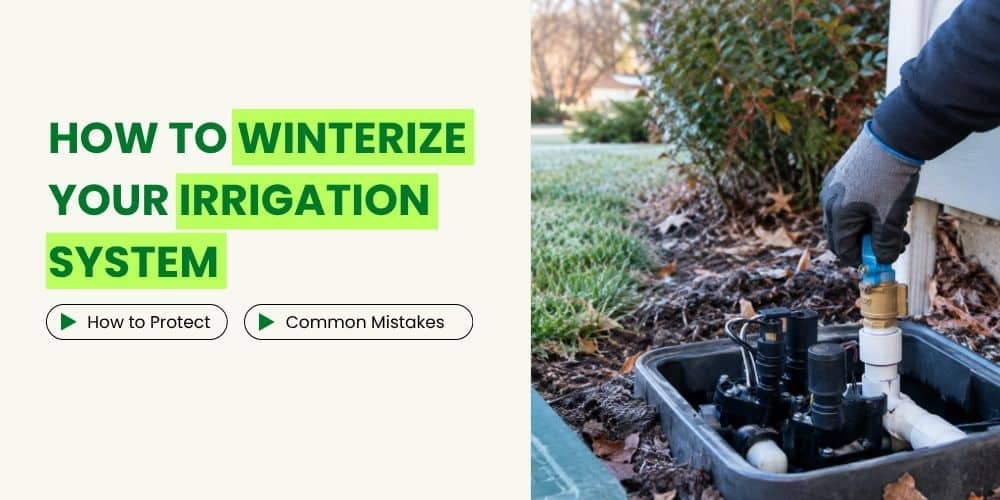
Freezing temperatures can damage an irrigation system when water remains inside pipes, valves, and other components. Central Texas winters are generally mild, but sudden freezes can still put exposed irrigation components at risk. Preparing your system before freezing temperatures arrive can help reduce the risk of freeze-related damage and costly repairs.
This guide explains when to winterize your irrigation system, how to drain it, when a sprinkler blowout may be needed, and how to protect your system during freezing weather.
What Does It Mean to Winterize an Irrigation System?
Winterizing an irrigation system means preparing it for freezing temperatures by shutting off the water supply, removing water from the system, and protecting exposed components.
The main goal is simple: prevent water from freezing inside parts that could be damaged by expansion.
Depending on the irrigation system, winterization may include:
- Turning off the irrigation water supply
- Adjusting the irrigation controller
- Draining water from the pipes
- Protecting exposed pipes and valves
- Protecting the backflow preventer
- Using compressed air when a blowout is appropriate
The exact process can vary depending on how your system was installed. Key winterization steps can include shutting off the irrigation water supply, adjusting the controller, draining the system, and protecting exposed valves and backflow preventers.
Does Your Irrigation System Need to Be Winterized in Texas?
Texas does not have the same long, freezing winters as states farther north. However, that does not mean irrigation systems are completely safe from winter damage.
Round Rock and other parts of Central Texas can experience sudden freezing temperatures. Protecting irrigation components is also an important part of maintaining a well-planned outdoor landscape. If water is still trapped inside exposed or enclosed irrigation components when a hard freeze arrives, it can expand and put pressure on those parts.
This is why homeowners should pay attention to the weather forecast instead of assuming that a mild Texas winter means no preparation is needed.
When Should You Winterize Your Irrigation System?
The best time to winterize depends on the weather and your irrigation system.
There is no single date that works for every Texas property. Instead, watch for freezing temperatures in the forecast and prepare your system before a hard freeze.
A Simple Winterization Guide
| Situation | What to Consider |
|---|---|
| Mild weather | Normal irrigation may continue if needed |
| Freezing temperatures approaching | Inspect exposed irrigation components |
| Hard freeze expected | Prepare and drain the system as needed |
| System has exposed pipes or backflow components | Give these components extra attention |
| System requires a blowout | Consider professional help |
Preparing before freezing temperatures arrive gives you time to shut down the system properly instead of trying to do everything at the last minute.
How to Winterize Your Irrigation System
The winterization process depends on your system. Some systems have manual or automatic drains, while others may require compressed air to remove remaining water.
Here are the main steps to follow.
Step 1: Turn Off the Irrigation Water Supply
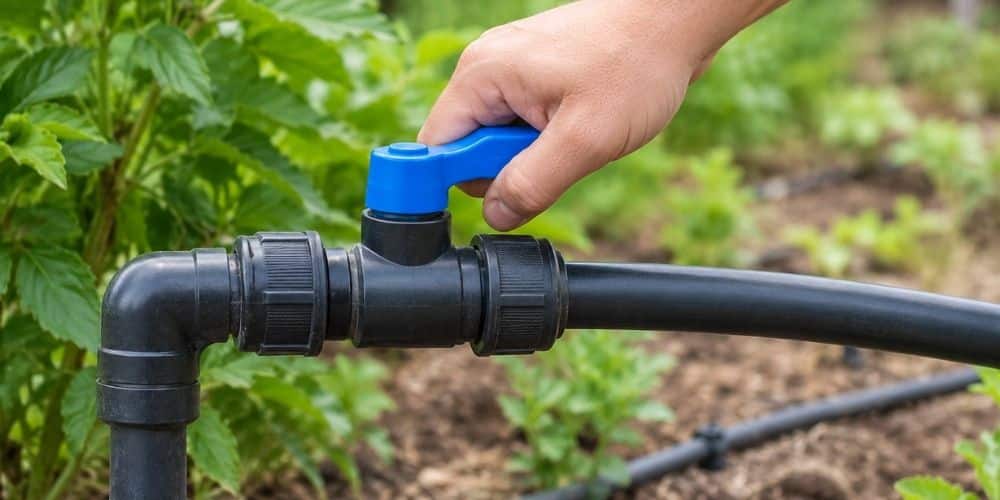
Start by turning off the main irrigation water supply to your irrigation system.
This stops additional water from entering the irrigation lines while you prepare the system for winter.
Keep in mind that turning off your irrigation controller does not necessarily turn off the water supply. These are two separate steps.
If you cannot find the irrigation shutoff valve, check your system information or have an irrigation professional locate it for you.
Step 2: Adjust the Irrigation Controller
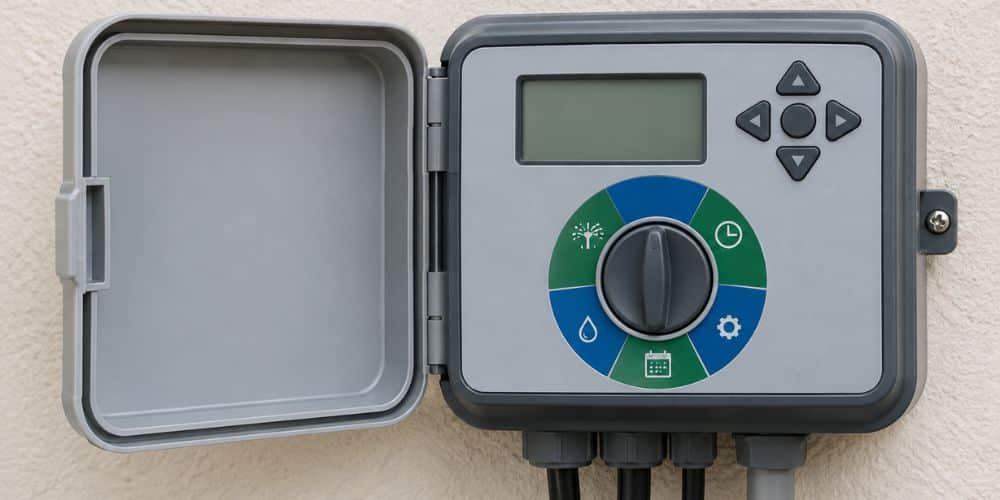
Once the water supply is off, stop your normal watering schedule.
Many irrigation controllers have a Rain Mode, Off, or similar setting. Rain Mode can stop the valves from running while keeping the programmed schedule stored in the controller. However, controller features vary, so follow the instructions for your specific model.
If your controller also operates a pump, extra precautions may be needed before winter.
Step 3: Drain the Irrigation System
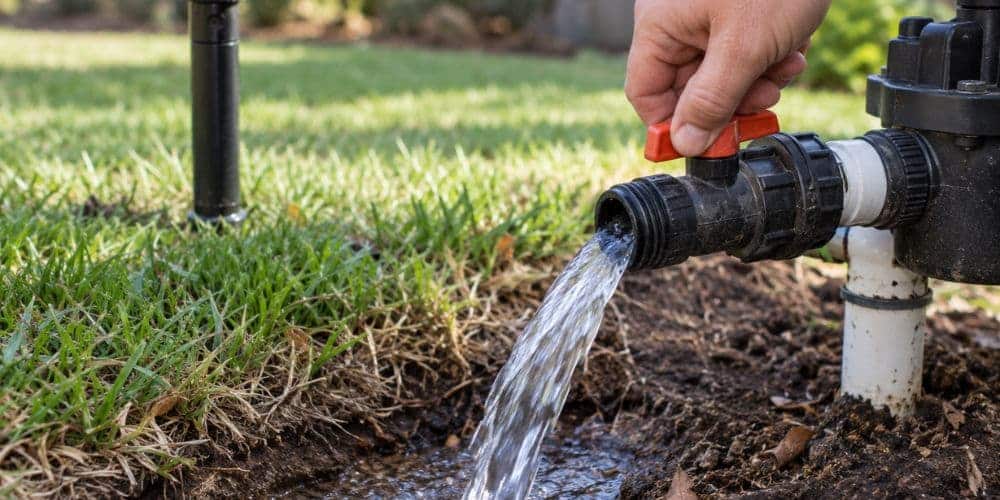
Draining the system is one of the most important parts of sprinkler winterization.
Water left inside the pipes can freeze and expand. This can place pressure on pipes, valves, and other components.
There are several ways to drain an irrigation system:
- Manual drain method
- Automatic drain method
- Compressed-air blowout
The correct method depends on how your system is designed. If compressed air is required, the equipment and procedure should be appropriate for the specific irrigation system.
Step 4: Protect the Backflow Preventer
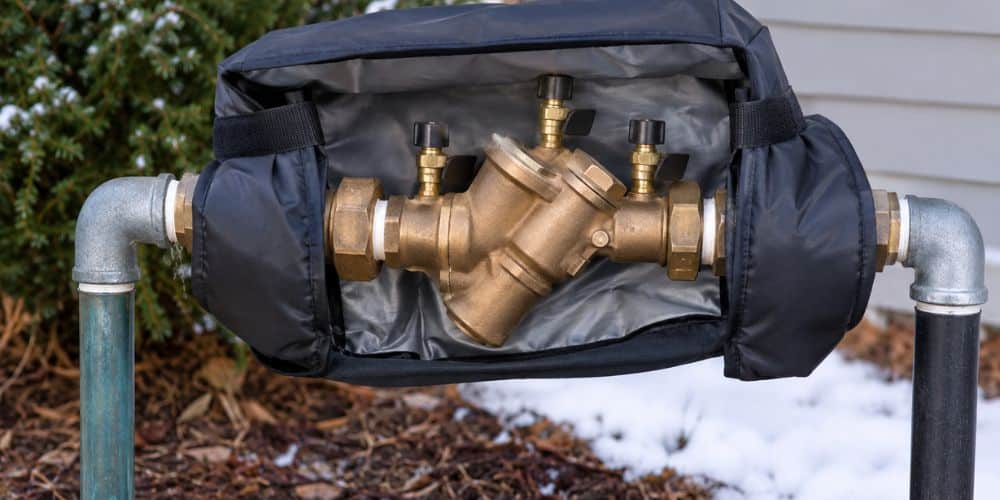
Backflow preventers are often located above ground, which makes them more exposed to freezing temperatures. Before a freeze, follow the manufacturer’s instructions for draining and protecting the specific backflow device installed on your property.
Do not assume the backflow preventer should be included in a compressed-air blowout. Some devices require separate draining or protection procedures, and compressed air should not be forced through a backflow preventer. If you are unsure which type of device you have, have an irrigation professional handle the winterization.
Step 5: Protect Exposed Irrigation Parts
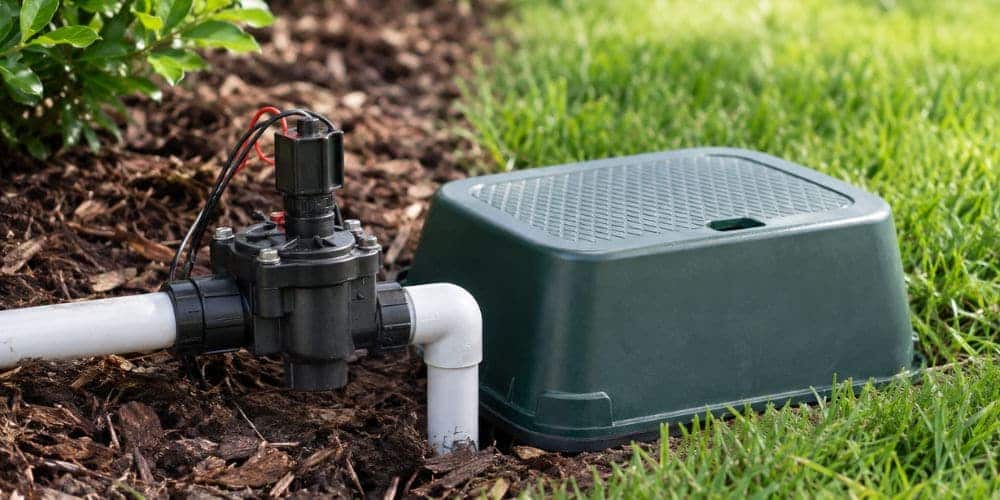
Check your property for exposed pipes, valves, fittings, and other irrigation components.
These parts may need insulation when freezing temperatures are expected.
Use insulation made for outdoor plumbing or irrigation components and make sure it does not prevent you from accessing valves or other parts later.
How to Blow Out a Sprinkler System
A sprinkler blowout uses compressed air to remove water from irrigation lines. It is a common winterization method, but it should not be treated as a simple DIY task. The correct air volume and pressure depend on the system and its components, and excessive pressure can damage irrigation equipment. Because compressed air can also create a serious injury hazard, professional winterization is the safer option when you are not familiar with the system or do not have the proper equipment.
Never stand over sprinkler heads, valves, pipes, or other irrigation components while compressed air is being introduced into the system. If compressed air is used, wear appropriate eye protection and follow the manufacturer’s safety recommendations for your irrigation system. Pressurized air can cause components or debris to move unexpectedly.
If your system includes a flow sensor or other specialized component, check the manufacturer’s winterization instructions before using compressed air, as some components may require additional protection or removal.
What Is a Sprinkler Blowout?
A sprinkler blowout is a winterization method that uses compressed air to remove water from irrigation lines. During a blowout, each irrigation zone is cleared separately. The correct connection point, air volume, pressure, and procedure depend on the system and equipment being used.
Can You Use an Air Compressor for Sprinkler Winterization?
Yes, an air compressor can be used to winterize some sprinkler systems, but the correct equipment, air volume, pressure, and connection point depend on the system. Using excessive pressure can damage pipes, valves, sprinkler heads, or other components. Because compressed air can also create a serious safety hazard, homeowners who are unfamiliar with their system should have a qualified irrigation professional handle the blowout.
Tips for Winterizing Your Irrigation System
For practical tips on winterizing an irrigation system, this winterization discussion shares practical tips about compressed-air blowouts, clearing individual irrigation zones, compressor considerations, and when professional help may be appropriate.
What Happens If You Don’t Winterize Your Sprinkler System?
Skipping winterization can leave water inside your irrigation system when freezing weather arrives.
When that water freezes and expands, it can damage different parts of the system.
Common problems include:
- Cracked pipes
- Broken sprinkler heads
- Damaged valves
- Backflow preventer damage
- Leaking connections
- Expensive repairs
The problem may not always be visible during winter. Regularly checking irrigation and outdoor systems can also help protect your landscape and maintain areas such as artificial turf. In some cases, damage becomes obvious when the irrigation system is turned back on.
That is why checking the system before a freeze and inspecting it again before restarting irrigation can help catch damage early.
How to Protect Your Irrigation System During a Freeze
If a freeze is expected, focus on the parts of your irrigation system that are most exposed to the cold.
Above-ground pipes, valves, and backflow preventers should be checked and protected according to the manufacturer’s recommendations.
It is also useful to check nearby hardscape areas for drainage problems that could affect the surrounding landscape.
If your system has not been winterized and a hard freeze is approaching, do not wait until temperatures have already dropped. Preparing the system beforehand gives you a better chance of preventing freeze-related damage.
Common Irrigation Winterization Mistakes
Winterizing an irrigation system may seem simple, but a few common mistakes can cause problems.
1. Only Turning Off the Controller
Turning off the watering schedule does not necessarily remove water from the irrigation lines.
The water supply and the controller are separate parts of the system.
2. Forgetting the Backflow Preventer
A backflow preventer can be exposed to freezing temperatures and needs proper attention.
Ignoring it can leave an important part of the irrigation system vulnerable.
3. Using Too Much Air Pressure
More pressure does not mean a better sprinkler blowout.
Excessive pressure can damage irrigation components. Always follow the manufacturer’s recommendations and use equipment that is appropriate for the system.
4. Waiting Until the Freeze Arrives
Waiting until temperatures are already freezing can make winterization more difficult.
Check the forecast early and give yourself enough time to prepare the system.
5. Assuming Every Irrigation System Is the Same
Not every sprinkler system drains in the same way.
Some have manual drains, some have automatic drains, and others may require a blowout. The correct method depends on the system’s design.
How to Restart Your Irrigation System After Winter
Once freezing weather has passed, inspect your irrigation system before returning to your normal watering schedule.
Look for:
- Cracked pipes
- Broken sprinkler heads
- Damaged valves
- Leaking connections
- Damage around the backflow preventer
Turn the water supply back on slowly and watch for leaks.
Then run each irrigation zone and check the sprinkler heads. Look for uneven spray, weak water flow, pooling water, or areas that are not receiving enough water.
Finding a problem early can help prevent a small repair from becoming a larger irrigation issue.
When Should You Hire a Professional for Sprinkler Winterization?
A simple irrigation system may be easier to prepare, but some systems need more careful handling. Consider professional help if:
- You are not sure where to shut off the water
- You cannot identify the drainage points
- Your system needs a compressed-air blowout
- You have a large or complicated irrigation system
- You are unsure how to protect the backflow preventer
- You want the system inspected before winter
Professional winterization can help reduce the risk of damaging your irrigation system while preparing it for freezing temperatures.
Final Thoughts on Winterizing Your Irrigation System
Winterizing your irrigation system can help protect it from freeze-related damage and prepare it for the next growing season. Turning off the water supply, adjusting the controller, draining the system, and protecting exposed components are important parts of the process.
If you are unsure about the winterization process or your system requires a sprinkler blowout, The Works Lawn Service can help prepare and maintain your irrigation system before freezing temperatures arrive.
Frequently Asked Questions About Irrigation Winterization
Do I need to winterize my sprinkler system in Texas?
It depends on your location, system, and the expected weather. Central Texas usually has mild winters, but freezing temperatures can still occur. Preparing before a hard freeze can help protect vulnerable irrigation components.
When should I winterize my irrigation system?
Winterize your system before freezing temperatures are expected. Instead of relying on one specific date, watch your local weather forecast and prepare ahead of a hard freeze.
Can I winterize my sprinkler system without an air compressor?
Yes. Some irrigation systems can be drained manually or automatically. The correct method depends on how your system is designed.
How do I blow out a sprinkler system?
A sprinkler blowout uses compressed air to remove water from irrigation lines. Because incorrect pressure can damage system components, follow the manufacturer’s recommendations or have the work handled by an irrigation professional.
What is sprinkler winterization?
Sprinkler winterization is the process of preparing an irrigation system for freezing weather. It can include shutting off the water, draining the lines, protecting exposed components, and using compressed air when appropriate.
Can freezing temperatures damage an irrigation system?
Yes. Water left inside irrigation components can freeze, expand, and put pressure on pipes, valves, and other parts. Proper winterization helps reduce this risk.