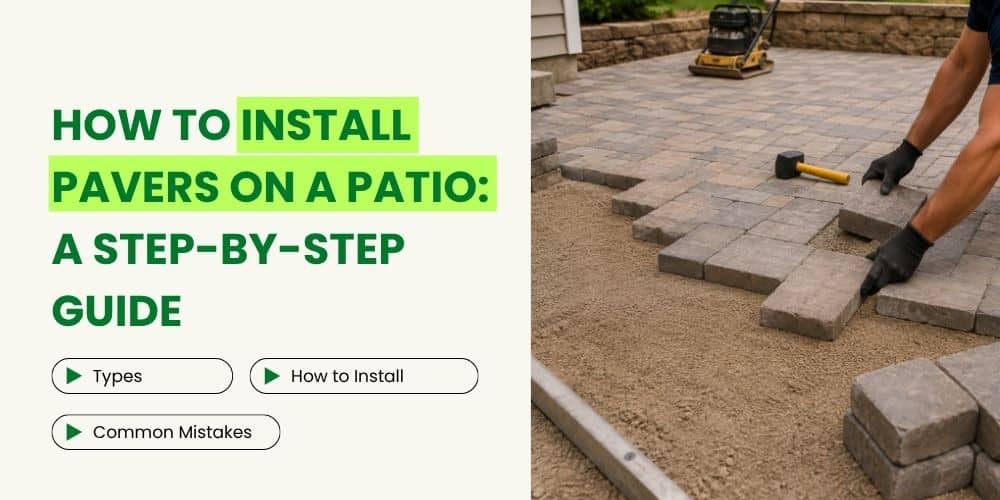
A paver patio can create a durable outdoor space for dining, relaxing, and entertaining, but the finished surface depends on much more than the pavers themselves. Proper excavation, grading, base preparation, bedding, edge restraint, and joint filling all play a role in keeping the patio level and stable.
Poor soil preparation, an inadequate base, or improper drainage can cause pavers to shift, sink, or become uneven over time. This guide explains how to install pavers on a patio, from choosing the right material and preparing the ground to laying the pavers and filling the joints.
What Are Patio Pavers?
Patio pavers are individual paving units made from materials such as concrete, brick, porcelain, or natural stone. They come in different sizes, shapes, textures, colors, and patterns, with installation requirements that vary by material and product.
Unlike poured concrete, pavers are installed individually. If one becomes damaged, it can usually be removed and replaced without rebuilding the entire patio.
However, the pavers are only the visible part of the installation. The soil, base, bedding layer, and joints underneath and between them also affect how well the patio performs.
Do All Patio Pavers Install the Same Way?
No. Installation methods vary by paver material and product. Standard interlocking concrete pavers are commonly installed over a compacted aggregate base and bedding layer. Porcelain pavers may use sand-set, open-aggregate, concrete, or pedestal systems depending on the product and application. Natural stone can also require different bedding and setting methods. Always follow the manufacturer’s installation requirements for the specific paver you choose.
Different Types of Pavers for Patios
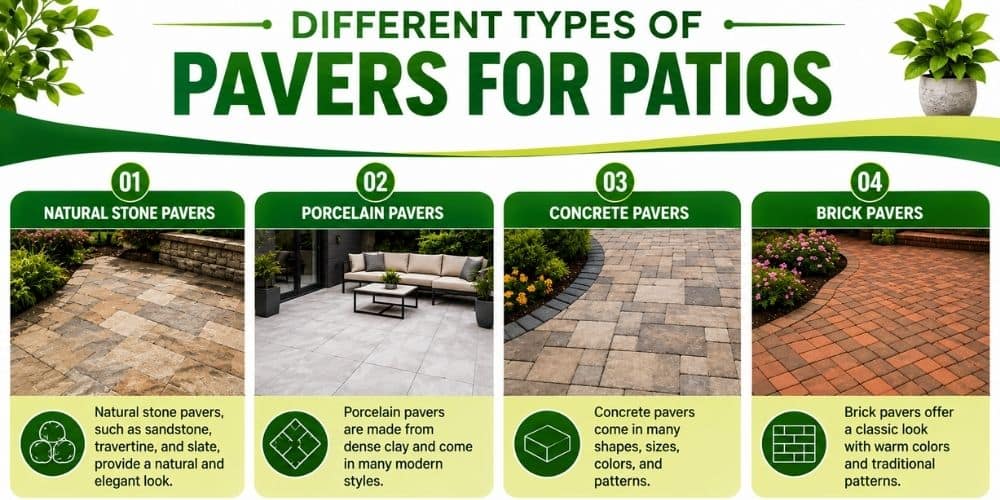
Choosing the right paver is an important part of planning a patio. Different materials offer different styles and installation requirements.
Natural Stone Pavers
Natural stone pavers such as sandstone, travertine, and slate provide a natural appearance, but installation requirements vary by stone type, thickness, size, and setting method. Because natural stone units may not have uniform dimensions, the base and bedding system must be prepared according to the product and installation method.
Porcelain Pavers
Porcelain pavers are dense outdoor paving products available in a range of modern colors, textures, and sizes. Unlike standard interlocking concrete pavers, porcelain units typically do not interlock in the same way and may require spacers and a product-specific installation system. Depending on the product and site, they may be installed over a compacted base, open-graded aggregate, concrete, or pedestal system. Always follow the manufacturer’s installation instructions.
Concrete Pavers
Concrete pavers come in many shapes, sizes, colors, and patterns. They are a versatile option for patios, but proper base preparation is still important to prevent shifting or settling. Standard interlocking concrete pavers are commonly installed over a compacted aggregate base with a bedding layer and joint material. The required base depth depends on soil, climate, drainage, and intended use.
Brick Pavers
Brick pavers provide a classic appearance and work well with traditional landscape designs. Like other paver systems, they require a properly prepared base, suitable edge restraint, and stable joints.
How to Choose the Right Pavers for Your Patio
The right paver depends on more than appearance. Consider how the patio will be used, the style of your home, the surrounding landscape, and the amount of maintenance you are comfortable with.
Consider These Factors Before Choosing Patio Pavers
- How the patio will be used — foot traffic, furniture, outdoor kitchen, etc.
- Paver thickness and size
- Surface texture and slip resistance
- Climate and freeze-thaw exposure
- Drainage conditions
- Maintenance requirements
- Color and heat exposure
- Installation method
- Availability and replacement pieces
- Budget
For example, natural stone can provide a more organic appearance, while concrete offers a wide range of colors and patterns. Porcelain can create a modern look, and brick works well for traditional designs.
Choosing a material that suits the site, intended use, and surrounding landscape can make installation easier and help the finished patio feel like a natural part of the outdoor space.
How to Install Pavers on a Patio
Once the area is planned and the materials are ready, you can begin installing the patio pavers. Following each step carefully helps create a stable and even surface.
A successful installation depends on getting the excavation, grading, base preparation, and drainage right before the pavers are laid.
1. Plan and Excavate the Patio
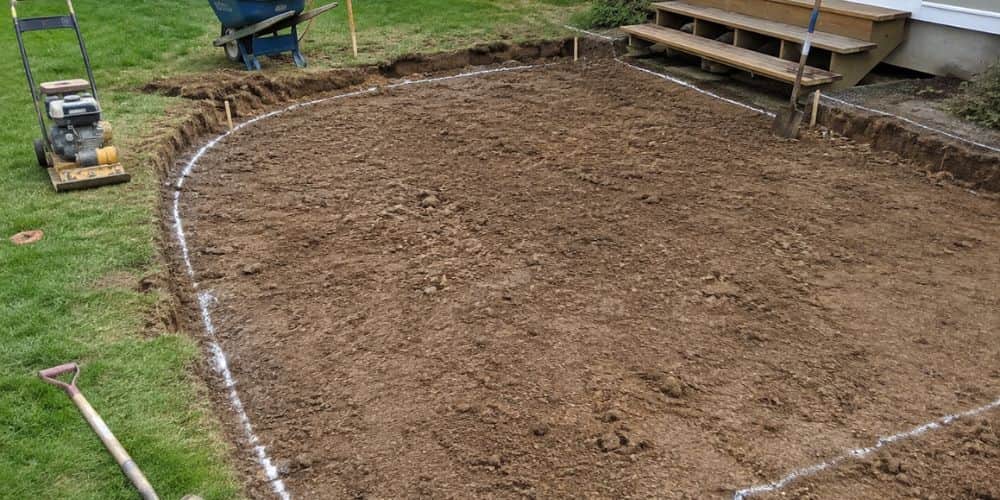
Mark the patio area with stakes and string, then remove grass, roots, and unsuitable soil. Excavate enough space for the base, bedding layer, and pavers. Establish the finished grade before excavation so water drains away from structures. The required slope can vary by the paver system and site conditions.
How Deep Should You Excavate for Patio Pavers?
Excavation depth depends on the paver thickness, bedding layer, base requirements, soil conditions, climate, and intended use. As a general example, a standard pedestrian concrete-paver installation may use a compacted aggregate base several inches thick beneath a nominal 1-inch bedding layer. Confirm the required assembly with the paver manufacturer and account for the finished elevation before excavating.
TIP: Check the finished height before digging so the patio connects properly with nearby doors, walkways, and landscape areas.
2. Prepare and Compact the Base
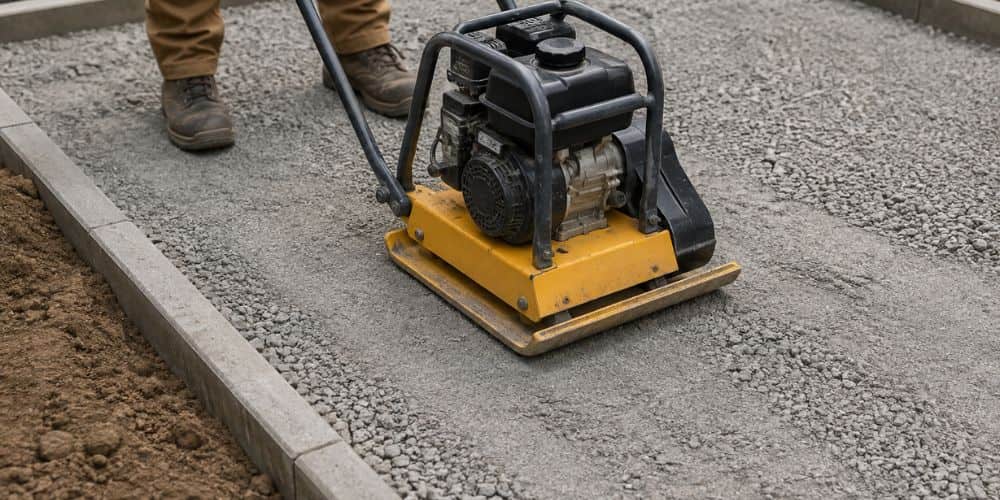
Install the specified aggregate base in controlled lifts rather than placing the full depth at once. Compact each lift thoroughly with an appropriate plate compactor before adding the next. Keep the base at the planned grade and slope throughout the process. The required base thickness depends on soil, climate, drainage, and the intended use of the patio.
Typical starting point: Residential concrete-paver patios commonly use several inches of compacted aggregate base, although the required depth varies by soil conditions, climate, drainage, and the paver system. Some systems specify a minimum base depth of 6 inches, so always check the manufacturer’s installation requirements.
Use the aggregate material specified for the paver system rather than ordinary loose gravel or soil. A standard dense-graded aggregate base contains a range of particle sizes that compact into a stable layer. Open-graded systems use more uniform aggregate and are designed to allow greater water movement through the base.
TIP: Check for soft spots before adding the base. Weak areas should be corrected rather than covered with additional material.
3. Add and Level the Bedding Layer
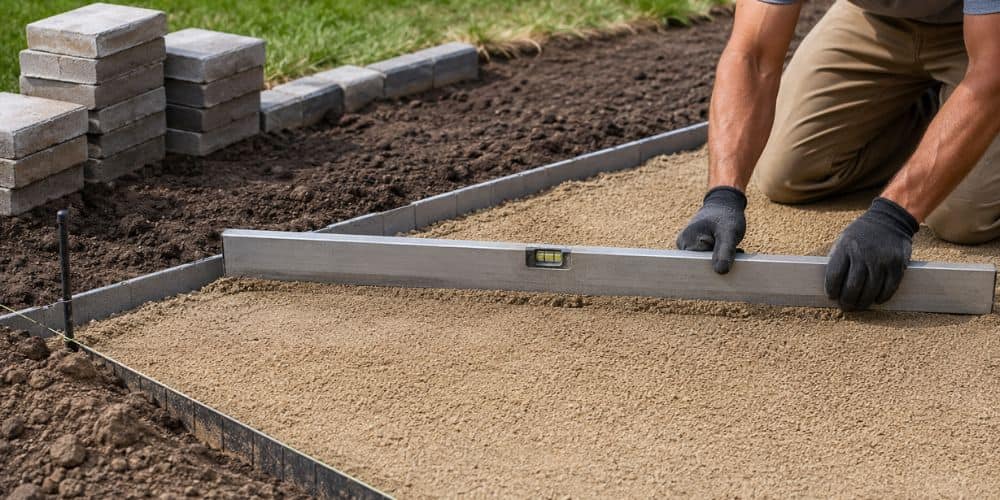
For a conventional sand-set concrete-paver installation, spread the specified bedding sand over the compacted base and screed it to a uniform nominal thickness of about 1 inch. Do not use the bedding layer to correct major depressions in the base; repair and recompact the base first.
4. Lay and Cut the Pavers
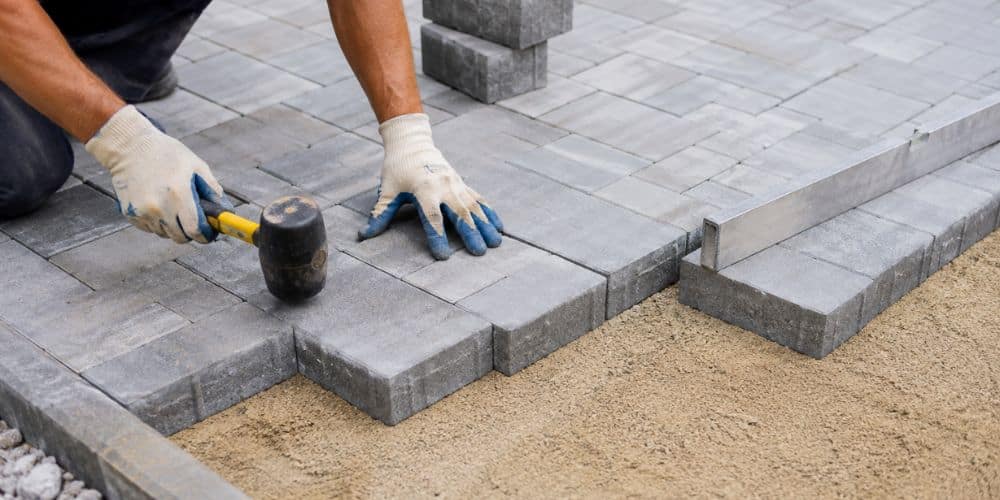
Start laying the pavers from a straight edge or fixed reference point and follow the planned pattern across the patio. Maintain consistent joint spacing and check alignment regularly as you work. Cut pavers as needed around edges, corners, curves, and other features.
TIP: Measure carefully before cutting. Planning the layout ahead of time can help reduce waste and create cleaner edges.
5. Secure the Edges and Fill the Joints
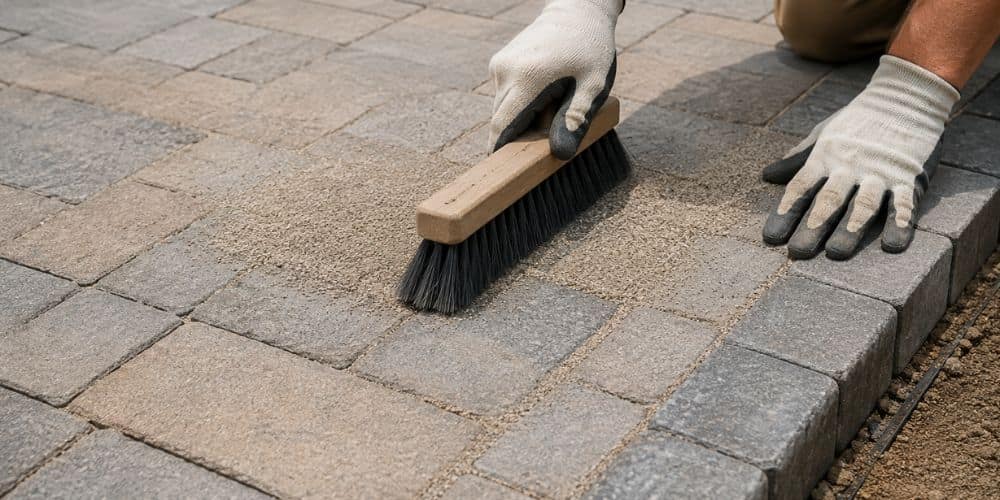
Install edge restraints around the patio perimeter according to the paver system and manufacturer’s instructions. Properly secured restraints help prevent the outside pavers from moving outward. Sweep the appropriate joint material into the spaces between the pavers, then compact the surface using the method recommended for the selected paver.
TIP: Follow the manufacturer’s instructions when using specialty joint materials, as application methods can vary.
Important: Do not assume every paver can be compacted with a standard plate compactor. Standard concrete paver systems commonly use plate-compactor consolidation, while porcelain pavers require product-specific procedures and generally should not be compacted with a conventional plate compactor. Always follow the manufacturer’s instructions.
Why Is the Paver Base Important?
The compacted base is one of the most important structural components of a paver patio. It provides support, distributes loads, and helps limit settlement and movement. If the base is too thin, poorly graded, or inadequately compacted, problems may appear even when the pavers themselves are high quality.
What Goes Under Patio Pavers?
A conventional sand-set paver patio typically has three main layers below the pavers: prepared subsoil, a compacted base layer, and a bedding layer. The subsoil provides the foundation, the base adds stability, and the bedding layer creates an even surface for placing the pavers.
The required materials and base depth can vary depending on soil conditions, drainage requirements, climate, patio size, and the installation system.
Dense-Graded vs. Open-Graded Paver Base Systems
Paver patios can use different base systems depending on site conditions and drainage requirements. The main differences are the aggregate structure, drainage behavior, and how the base is compacted.
For a closer look at this installation method, read How to Install Pavers on an Open-Graded Base to understand the preparation, aggregate layers, and installation process.
| Feature | Dense-Graded | Open-Graded Paver Base |
| Aggregate | Mix of different-sized particles with fines | Larger, more uniform aggregate |
| Drainage | Limited water movement through the base | Allows water to move through more freely |
| Compaction | Designed to compact into a dense, stable layer | Uses larger aggregate with minimal fines |
| Best suited for | Common patio installations and typical site conditions | Projects where improved water drainage is important |
| Main benefit | Creates a dense and stable foundation | Provides better water movement through the base |
How Does Drainage Affect a Paver Patio?
Water is another important part of patio planning. When water cannot drain properly, it may collect on the surface or remain around the base.
The patio should have an appropriate slope that directs water away from the home and toward a suitable drainage area. The soil and base should be graded to support the planned slope so the finished surface drains properly.
Good drainage is easier to establish before the pavers are installed. Fixing standing water after the patio is complete may require removing and rebuilding part of the surface.
How much slope should a paver patio have?
A common residential recommendation is approximately 2% slope, or about 1/4 inch per foot, away from structures. The exact slope should follow the paver system, site drainage plan, and local requirements. If site conditions prevent surface water from draining naturally away from the house, a qualified professional may need to incorporate a linear drain, catch basin, swale, or other drainage solution.
Tools and Materials Needed to Install Patio Pavers
Having the right tools and materials ready can make the installation easier. The exact requirements depend on the paver type, patio size, soil conditions, and installation method.
Tools You’ll Need
Common tools include:
- Shovel
- Rake
- Measuring tape
- Level
- Stakes and string
- Screed board
- Hand tamper or plate compactor
- Broom
- Wheelbarrow
- Paver cutting equipment
Use proper safety equipment when cutting pavers or operating powered tools.
Materials You’ll Need
Typical materials include:
- Patio pavers
- Paver base material
- Bedding material
- Edge restraints
- Joint sand or suitable joint material
Measure the patio before purchasing materials so you know how much is needed. Ordering some extra pavers can also help account for cuts, breakage, or future repairs.
Common Mistakes to Avoid When Installing Patio Pavers
Several common mistakes can affect the appearance and stability of a paver patio.
- Skipping soil preparation: Soft or unstable soil can lead to settlement and uneven pavers.
- Using an inadequate base: A weak or poorly compacted base may not provide enough support.
- Ignoring drainage: Poor grading can cause water to collect on the patio or around the base.
- Creating an uneven bedding layer: High and low areas can result in an uneven finished surface.
- Forgetting edge restraints: Unsupported edges can allow pavers to move outward over time.
- Leaving gaps in the joints: Properly filled joints help keep pavers stable.
Taking time during the preparation stages can help prevent many of these problems before they become larger repairs.
Once the pavers are installed and the surface is properly prepared, sealing may also be considered depending on the paver material and manufacturer’s recommendations. Learn more about how to seal pavers and the steps involved in protecting and maintaining a finished paver surface.
Frequently Asked Questions About Patio Pavers
Can You Install Pavers Directly on Soil?
It’s generally not recommended. Soil can shift and settle, while a properly prepared base provides stable support.
How Long Does a Paver Patio Last?
A paver patio does not have one fixed lifespan. Its service life depends on the paver material, installation quality, drainage, soil conditions, climate, use, and maintenance. Proper installation and regular maintenance can help extend the life of the patio.
Do Paver Patios Need Maintenance?
Yes. Sweeping, removing weeds, cleaning stains, and checking joints can help keep the patio in good condition.
Can You Install Patio Pavers Yourself?
Small, simple patios may be suitable for DIY paver installation. However, larger projects require excavation, grading, base preparation, and compaction. Understanding how to build a paver patio can help homeowners decide whether the project is suitable for DIY work or better handled by a professional.
How Deep Should You Dig for Patio Pavers?
The required excavation depth depends on the paver thickness, bedding layer, base depth, soil conditions, and installation system. Calculate the complete pavement assembly before digging so the finished patio reaches the planned elevation.
What Kind of Sand Goes Under Patio Pavers?
Conventional sand-set concrete pavers typically use specified bedding sand over the compacted base. The bedding material and joint material may have different requirements, so follow the paver manufacturer’s specifications rather than assuming the same sand should be used for both.
Final Thoughts
A successful paver patio starts below the finished surface. Proper excavation, base preparation, grading, bedding, edge restraint, and joint filling all contribute to a stable patio and help reduce problems such as shifting, settling, and standing water.
The Works Lawn Service offers paver and patio services in Round Rock, helping homeowners create functional outdoor spaces suited to their property and landscape.
With the right preparation and installation approach, a paver patio can provide a durable, comfortable surface that complements your outdoor space for years to come.