
A lush, green lawn doesn’t happen by accident. But it also doesn’t require expensive treatments or a professional crew. The right habits, done consistently, make all the difference. Here are 9 proven tips to make your grass greener starting this week.
Why Is Your Grass Not Green? (Fix This First)
Before throwing fertilizer at the problem, know what’s causing it:
- Low nitrogen: the #1 reason grass looks pale or yellow
- Wrong watering habits: too little, too much, or wrong timing
- Soil pH imbalance: nutrients get locked out even if they’re present
- Thatch buildup: blocks water and air from reaching roots
- Compacted soil: suffocates roots and stops nutrient absorption
Fix the root cause first. Everything else becomes more effective.
9 Tips to Make Your Grass Greener
1. Fertilize at the Right Time
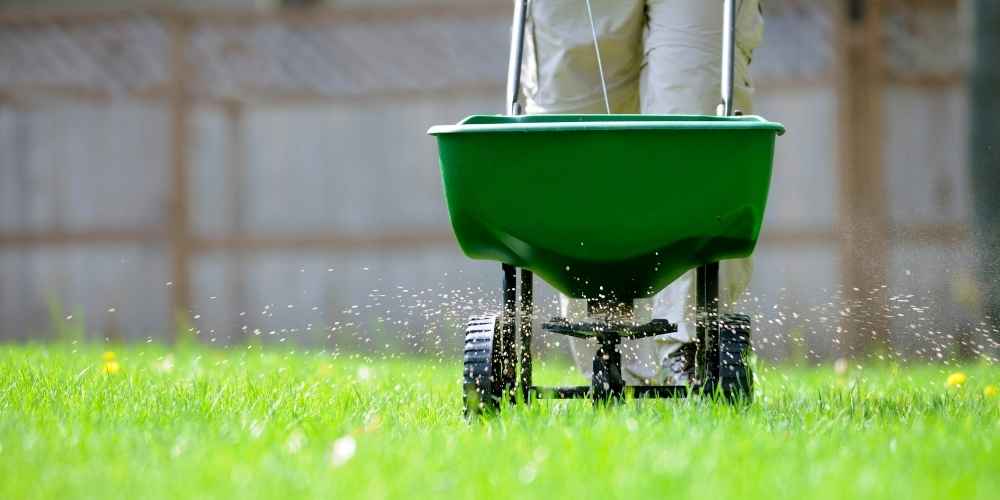
Nitrogen is what makes grass green. Without enough of it, your lawn will look dull and pale no matter what else you do.
Use a slow-release nitrogen fertilizer so your grass gets a steady feed rather than a spike and crash. Apply in spring when the grass starts actively growing — timing matters more than most people think.
As Penn State Extension notes, complete fertilizers containing nitrogen are the single most impactful practice for improving and maintaining lawn color.
Read more: When to Fertilize Your Lawn in Spring (Texas Guide)
2. Water Deep, Not Often
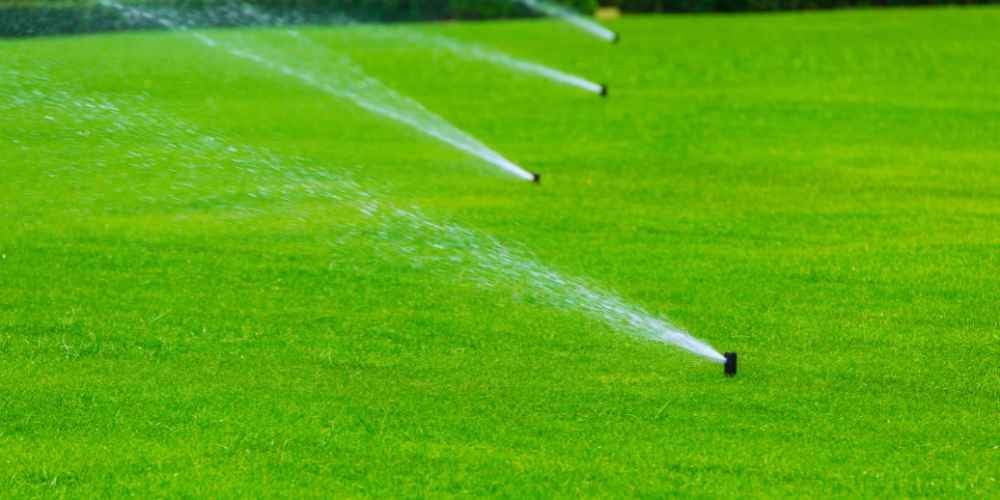
Frequent shallow watering trains your grass roots to stay near the surface — making them weak, thirsty, and quick to turn brown.
Water deeply once or twice a week instead. Aim for about 1 inch of water each time, early in the morning so it soaks in before heat evaporates it. Deep watering pushes roots down where they access more moisture and nutrients on their own.
Penn State Extension’s research confirms it directly: “Roots follow moisture. Frequent shallow watering creates shallow root systems. Deep watering creates deep root systems.”
Overwatering is just as damaging as underwatering. Watch for these signs of overwatering your plants before your next irrigation cycle.
Also helpful: When to Start Watering Your Lawn in Spring (Texas)
3. Mow High and Keep Your Blades Sharp

Cutting grass too short is one of the most common lawn mistakes. Short grass has shallow roots, holds less moisture, and burns faster in heat.
Keep your mowing height at 3 to 4 inches for most grass types. The one-third rule is the gold standard here: never remove more than one-third of the blade in a single mow. This rule originated from USDA turfgrass research in the 1950s and has been the standard recommendation ever since Iowa State University Extension and the US Golf Association both back it.
Also, check your mower blade. A dull blade tears the grass instead of cutting it cleanly — those ragged edges turn brown and make your whole lawn look dull. Sharpen blades at least once a season.
4. Control Weeds Before They Steal Nutrients
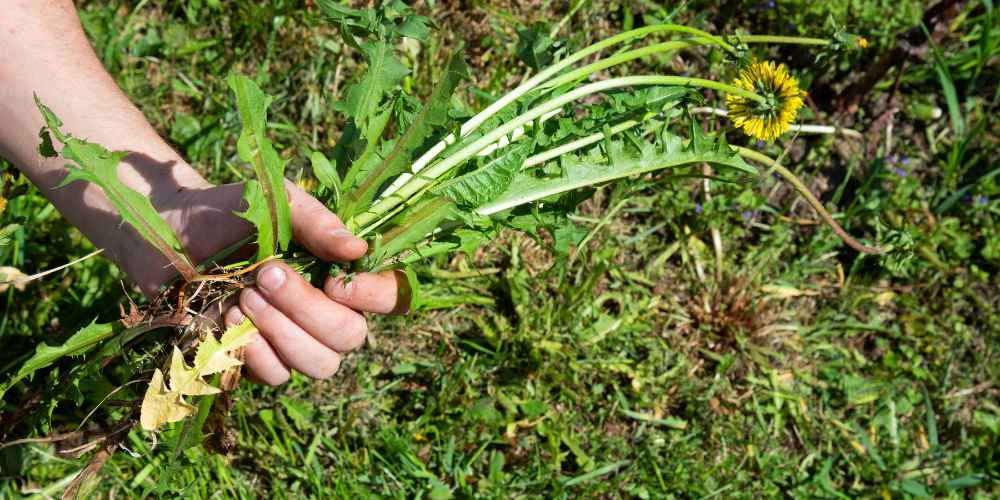
Weeds don’t just look bad; they actively compete with your grass for nitrogen, water, and sunlight. A lawn full of weeds will never be fully green because the grass is constantly losing the nutrients it needs.
Apply a pre-emergent herbicide in early spring before weed seeds germinate. For weeds already growing, use a post-emergent.
5. Aerate to Let Your Lawn Breathe
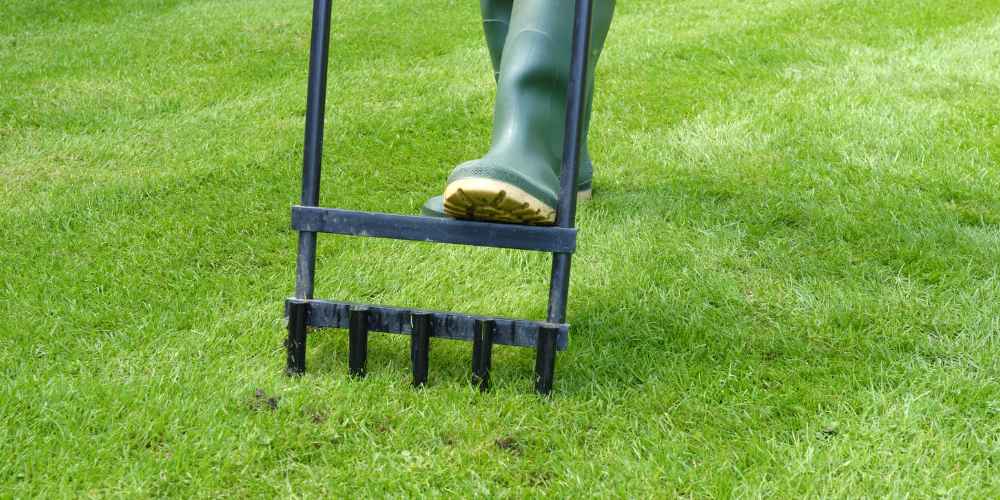
Over time, soil gets compacted from foot traffic, rain, and heavy mowing. Compacted soil blocks water, air, and nutrients from reaching the roots — and no amount of fertilizer fixes that.
Aeration punches small holes through the soil, breaking up compaction and letting everything flow freely again. Do it once a year. Cool-season grasses benefit most from fall aeration; warm-season grasses respond better in spring.
Find out: When to Aerate Your Lawn in Texas
6. Test and Fix Your Soil pH
This is the tip most homeowners skip, and it costs them results.
Grass absorbs nutrients best when the soil pH sits between 6.0 and 7.0. According to the University of New Hampshire Extension, soil pH directly controls nutrient solubility, meaning your grass can’t access what’s already in the soil if pH is off. Purdue University Extension confirms that keeping pH in this range ensures nutrients remain soluble and accessible to the grass roots.
Outside that range, you can fertilize all season and still see pale, struggling grass.
Get an inexpensive soil test kit. If pH is too low (acidic), add lime. If too high (alkaline), add sulfur. One correction can transform how your lawn responds to everything else you’re doing.
7. Overseed Thin or Bare Patches
Thin turf is an open invitation for weeds and uneven color. If parts of your lawn look patchy or faded, overseeding fills those gaps with fresh, dense grass.
For cool-season grasses, overseed in fall. For warm-season varieties, late spring works best. After spreading the seed, water lightly every day until you see germination, usually within 7 to 14 days.
A denser lawn naturally looks greener because light reflects more evenly off thick, healthy turf.
8. Use Iron for a Deeper, Darker Green
This one surprises people. Iron doesn’t fertilize your grass it intensifies the green color without triggering excessive growth that needs constant mowing.
Iron is essential for chlorophyll synthesis, it’s what allows grass to produce and hold its green color. According to the University of Arizona Extension, iron deficiency causes grass to lose color even when nitrogen levels are adequate, and chelated iron applications can restore deep green color within days of treatment. The University of Florida IFAS also confirms foliar iron application as an effective method for correcting iron chlorosis in turfgrass.
If your lawn looks lime-green or yellow-green rather than deep green, iron deficiency may be the reason. Apply chelated iron as a liquid spray for fast results, or use iron-rich granules for a slower, longer-lasting effect.
This works especially well in summer when you want color without the growth surge that nitrogen causes in heat.
9. Match Your Care to the Season
Doing the right thing at the wrong time doesn’t work. Green grass is a year-round effort with different priorities each season.
- Spring: fertilize, apply pre-emergent, start watering schedule
- Summer: mow high, water deeply, apply iron if needed
- Fall: aerate, overseed, reduce watering gradually
- Winter: let grass rest, prep equipment, plan for spring
Common Mistakes That Stop Your Grass From Turning Green
1. Mowing too short
Scalping your lawn is the fastest way to weaken it. Short grass means shallow roots, more heat stress, and faster browning. Keep it at 3 to 4 inches.
2. Watering too often, too lightly
Daily light watering keeps roots near the surface, where they struggle. Water deeply once or twice a week instead.
3. Applying fertilizer at the wrong time
Fertilizing in peak summer heat or late fall can burn grass or go completely to waste. Timing matters as much as the product itself.
4. Ignoring soil pH
You can fertilize all season and still get pale grass if your pH is off. Nutrients stay locked in the soil until the pH is corrected. Most homeowners never test and it shows.
5. Skipping aeration
Compacted soil silently kills lawns from below. No amount of watering or feeding works properly if the soil can’t absorb it.
FAQ: How to Have the Greenest Grass on the Block
How do I make my grass greener fast?
Apply iron sulfate or chelated iron, it deepens grass color within days without stimulating fast growth. Pair it with deep watering, and you’ll notice a visible difference within a week.
Why is my grass green in some spots and yellow in others?
Uneven color usually means inconsistent watering, patchy fertilizer application, or localized soil pH issues. Check your sprinkler coverage first, then test the soil in the yellow areas.
How often should I fertilize for green grass?
For most lawns, 3 to 4 times per year is enough: spring, early summer, early fall, and optionally late fall. Over-fertilizing burns grass and creates more problems than it solves.
Does watering more make grass greener?
Not necessarily. Too much water causes shallow roots, disease, and fungal issues. Deep, infrequent watering produces healthier, greener grass than frequent light watering.
What is the best fertilizer for green grass?
A nitrogen-rich fertilizer (look for a high first number in the N-P-K ratio, like 32-0-10) is best for color. Slow-release formulas maintain consistent green without spikes and burnout.
A greener lawn comes down to consistency, the right water, the right nutrients, at the right time. Start with whichever tip addresses your biggest current problem, then build the rest of the routine around it.If you’d rather skip the guesswork and have it done right, The Works Lawn Service handles everything from fertilization and weed control to aeration and seasonal care — so your lawn stays green without the trial and error.