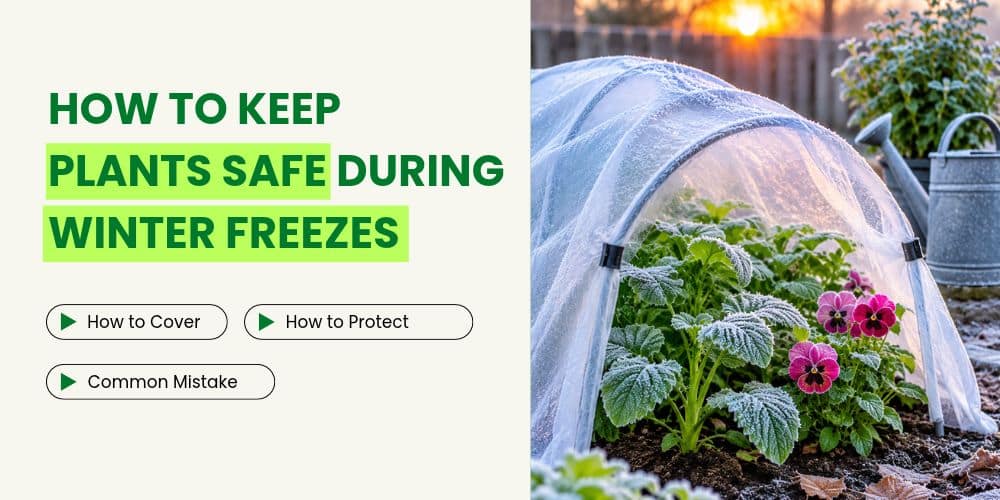
Frost forms when ice develops on exposed surfaces, including plant leaves, flowers, and stems. It can occur when these surfaces reach 32°F (0°C) or below, even if the reported air temperature is slightly higher.
In Texas, sudden cold nights can put gardens, flowers, shrubs, and young plants at risk, especially when temperatures fall unexpectedly. Knowing how to protect plants from frost before a freeze arrives can help prevent damage and keep your garden healthy.
This guide explains how frost affects plants, how to protect plants from frost, the best ways to cover plants during freezing temperatures, and common mistakes to avoid.
How Frost and Freezing Temperatures Affect Plants
Frost and freezing temperatures can affect plants in different ways. Frost usually damages exposed leaves and flowers, while a longer or harder freeze can affect stems, roots, and other plant tissues. The extent of damage depends on the plant variety, temperature, and duration of cold exposure.
Common signs of frost damage include:
- Brown or black leaves: Tender foliage may darken after exposure to frost.
- Wilted flowers: Frost on flowers can cause petals to turn brown, droop, or become damaged.
- Soft or water-soaked growth: Damaged leaves and stems may become soft after temperatures rise.
- Cracked or damaged stems: A hard freeze can injure tender stems and growing points.
- Damaged roots: Plants growing in containers are more exposed because their soil cools faster than garden soil.
Some frosted plants can recover after a light frost, while others may suffer lasting damage. Proper plant freeze protection before cold weather arrives can help reduce the risk.
Cold weather can also affect your lawn’s appearance. Learn more about identifying and treating brown patches in your lawn.
Which Plants Need Protection from Frost?
Not every plant needs the same level of winter protection. Cold-hardy varieties can tolerate lower temperatures, but sensitive plants may need extra care when frost or a freeze is expected.
Focus on these plants:
- Tropical plants: Hibiscus and other tropical varieties can suffer damage when temperatures approach freezing.
- Potted plants: Container roots are more exposed to cold because pots lose heat faster than garden soil.
- Young plants: Newly planted flowers, vegetables, and shrubs may need protection before they become established.
- Citrus plants: Lemon, lime, and other citrus varieties can be sensitive to freezing temperatures.
- Seasonal flowers: Tender flowers may develop frost damage after one cold night.
- Sensitive shrubs: Some shrubs need winter protection, particularly when they are young or recently planted.
Knowing which plants need protection helps you decide where to use frost covers for plants and where additional winter plant covering may be necessary.
8 Ways to Protect Plants from Frost and Freezing Weather
1. Cover Plants with Frost Cloth or Blankets
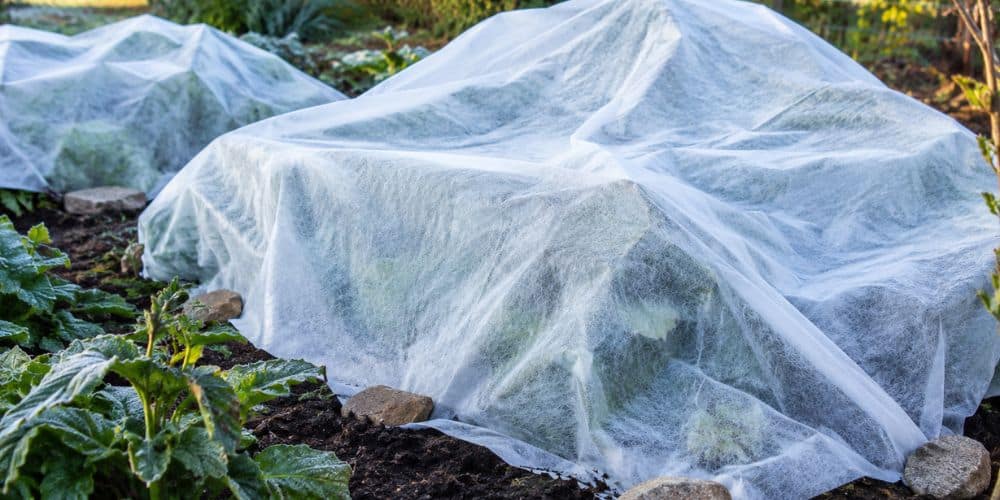
Frost cloth helps protect sensitive plants by trapping heat released from the soil and reducing heat loss during cold nights. Drape the material loosely over the plant, extend it to the ground, and secure the edges. Use supports when needed to prevent heavier blankets from crushing delicate branches or foliage. Bedsheets and lightweight blankets can also work as temporary frost covers. Remove them when temperatures rise.
2. Water the Soil Before a Freeze
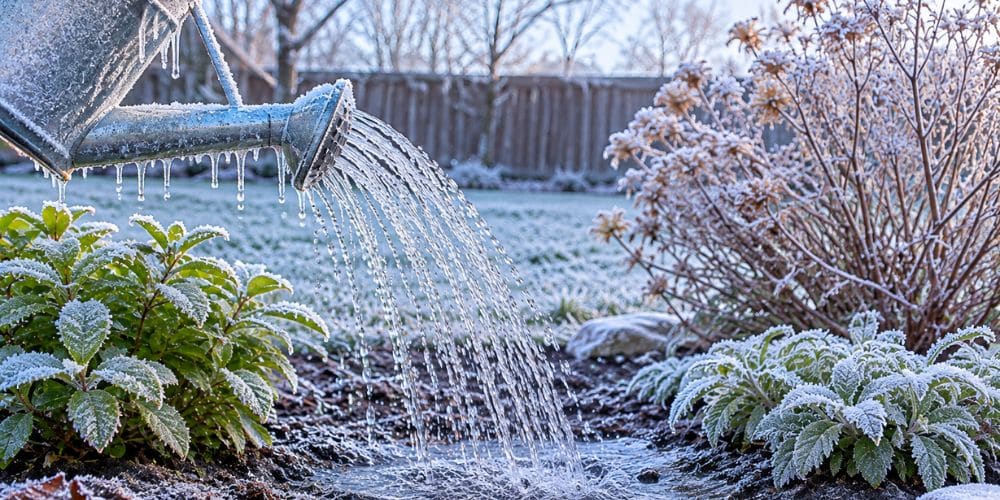
Water the soil a day before freezing temperatures are expected, especially if the ground is dry. Moist soil holds more heat than dry soil and can help protect plant roots during cold nights. Water the soil rather than the foliage, and avoid overwatering or watering when the ground is already frozen.
3. Add Mulch Around the Base of Plants
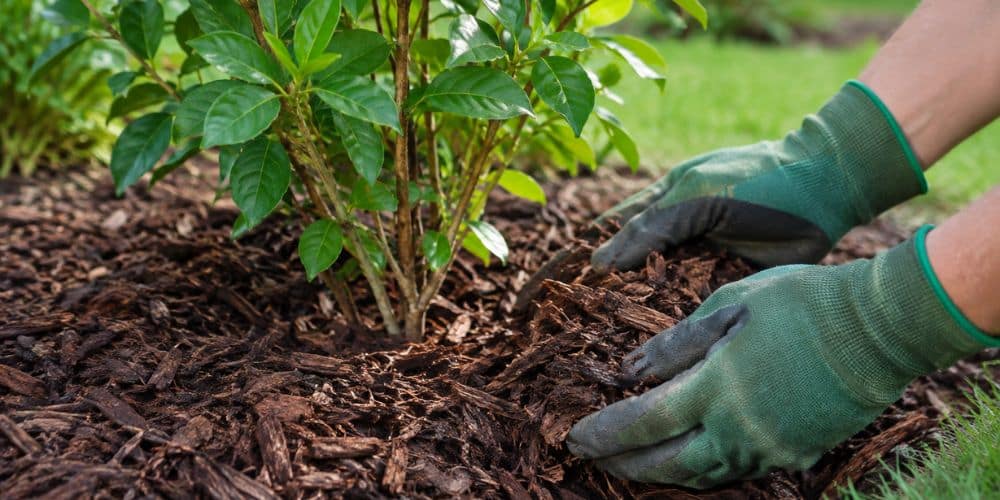
Spread 2–3 inches of mulch, such as pine straw, shredded bark, or dry leaves, around the root zone. This helps maintain soil temperature and provides extra plant freeze protection. Keep mulch away from stems.
4. Move Potted Plants to a Sheltered Location

Protecting potted plants from frost is important because container roots are more exposed to cold. Move pots into a garage, greenhouse, or covered patio. You can also group them near a sheltered wall.
5. Use Cardboard Boxes for Temporary Protection
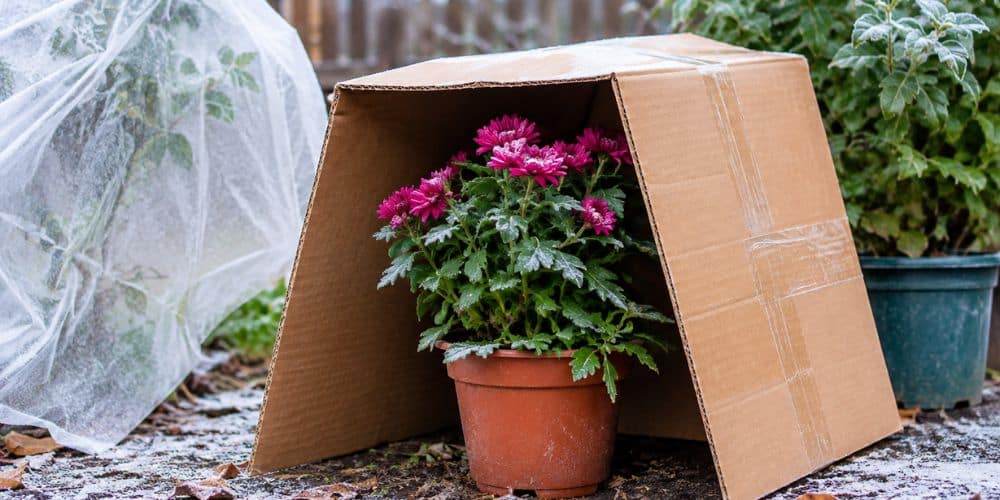
Cardboard boxes can provide short-term protection for small plants. Cover them before temperatures drop and remove them during the day. This is a simple, inexpensive way to protect plants from frost.
6. Give Young Plants and Sensitive Shrubs Extra Protection
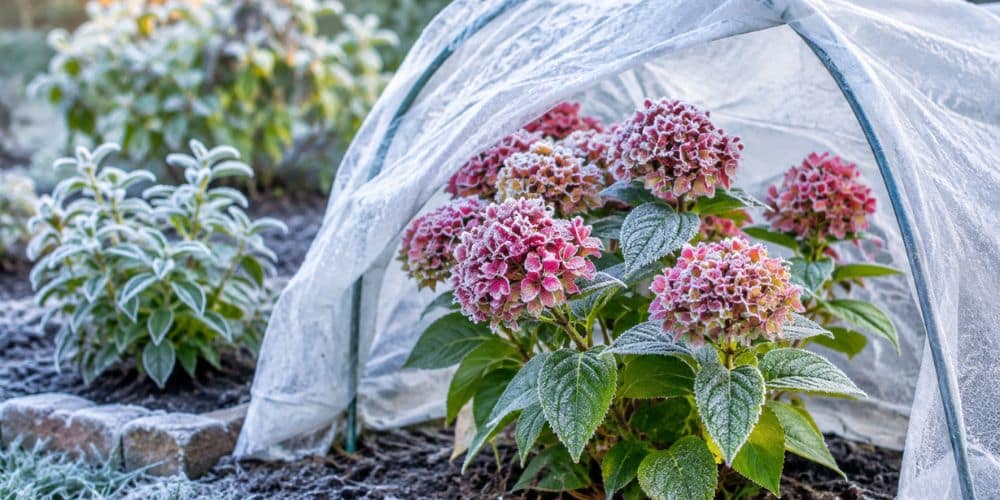
Newly planted shrubs, tender flowers, and young plants may need additional protection during freezing weather. Use stakes or supports to keep covers from pressing against delicate branches. Pay particular attention to tropical varieties and plants that have not yet become established.
7. Protect Plants from Cold Winds
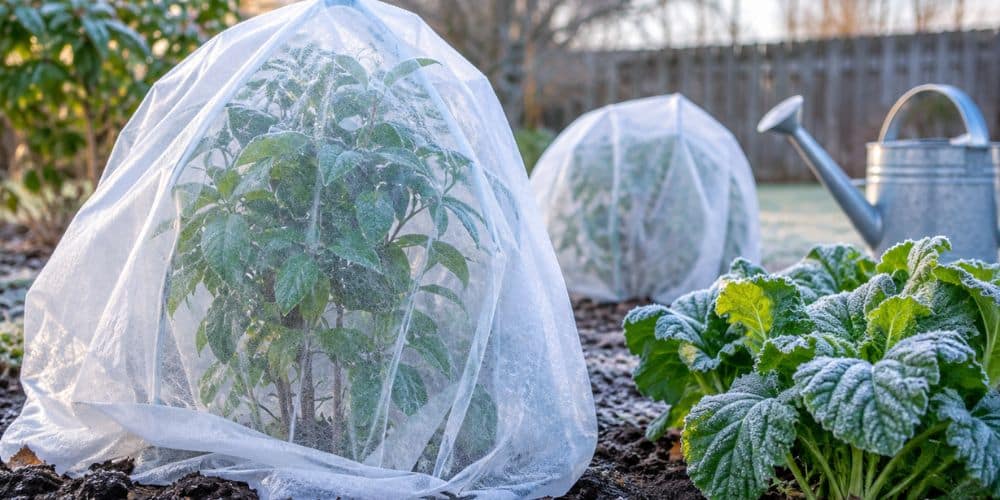
Cold winds can increase moisture loss and worsen freeze damage. Place potted plants near walls or fences, and use temporary wind barriers around exposed garden beds.
8. Remove Covers When Temperatures Rise

Remove frost cloths, blankets, and cardboard boxes when the weather warms up. Leaving plants covered too long can reduce sunlight and airflow. Replace the covers if another freeze is expected.
How to Cover Plants for Freeze and Frost Protection
Knowing how to cover plants for freeze protection can help reduce damage during sudden temperature drops. The right material depends on the plant’s size, location, and expected weather.
Common materials used for plant protection from freezing include:
- Frost cloth: A breathable material designed for cold-weather protection.
- Frost blankets: Useful for covering sensitive plants during frost and light freezes.
- Bedsheets and lightweight blankets: Practical temporary coverings for garden plants.
- Burlap: Can help shield shrubs and small trees from cold winds.
- Cardboard boxes: Suitable for small plants that need short-term protection.
- Plastic sheeting: Can act as an outer barrier, but it should never touch leaves or stems. Support it with stakes to keep it away from the plant.
When covering plants for frost protection, extend the material down to the ground and secure the edges. This helps trap warmth around the plant.
Preparing your outdoor space for winter also means protecting your irrigation system from freezing temperatures. Read our guide on how to winterize your irrigation system to learn how to prepare sprinkler components and prevent cold-weather damage.
For DIY frost covers for plants, old bedsheets, lightweight blankets, burlap, and cardboard boxes can be useful options. If you are deciding what to cover plants with for frost, choose a material that provides coverage without crushing delicate branches.
Avoid using plastic directly over foliage. Plastic can transfer cold to the leaves and increase the risk of damage. If you use it as an outer cover, keep it supported above the plant and remove it when temperatures rise.
What Temperature Is Frost for Plants?
Frost can form when plant surfaces reach 32°F (0°C) or below. However, frost temperature for plants can vary because leaves and other exposed surfaces may become colder than the surrounding air.
Many gardeners begin preparing sensitive plants when the forecast approaches 32°F. Tropical plants, young seedlings, citrus varieties, and tender flowers may need protection sooner than established cold-hardy plants.
If you are wondering at what temperature you should cover your plants at night, consider the plant’s cold tolerance rather than relying on one temperature for every variety.
Check the local forecast before going to bed. If temperatures are expected to approach freezing, cover sensitive plants in advance. This simple step can help prevent frost on plants and reduce the chance of damage overnight.
When Does Frost Usually Arrive in Different Parts of Texas?
The timing of the first frost varies across Texas depending on the region and local weather conditions. Knowing when colder temperatures typically arrive can help you prepare frost covers, protect sensitive plants, and avoid unexpected damage during winter.
The timing of the first fall freeze varies across Texas. Northern and western areas generally experience freezing temperatures earlier than southern and coastal locations.
In Central Texas, including Round Rock and Austin, homeowners should begin monitoring local forecasts as winter approaches. Rather than relying on a fixed frost date, prepare plant covers in advance and protect sensitive plants whenever freezing weather is expected.
Local conditions, elevation, and surrounding structures can also affect temperatures around individual gardens. Checking local weather forecasts is the most reliable way to decide when to cover sensitive plants.
Common Mistakes to Avoid When Protecting Plants from Frost
Even when you cover plants, a few mistakes can reduce protection.
- Letting plastic touch foliage: Plastic can transfer cold to leaves and cause damage.
- Covering plants too late: Put covers in place before temperatures drop.
- Leaving covers on all day: Remove them when the weather warms.
- Ignoring container roots: Potted plants need extra protection because their soil cools faster.
- Overwatering: Water only when the soil needs it.
- Pruning too soon: Wait until the risk of freezing has passed before removing damaged growth.
How to Save Plants from Frost Damage
If your plants have already experienced frost, avoid cutting away damaged leaves immediately. Some affected growth may help protect healthier parts of the plant during another cold night.
Wait until temperatures remain warmer and new growth begins before pruning. Check stems for signs of life, water when the soil is dry, and continue protecting the plant if another freeze is forecast.
Knowing how to save plants from frost damage can prevent unnecessary pruning. Many plants recover from light frost damage, but severe freezing can cause lasting harm, particularly to sensitive varieties.
Frequently Asked Questions
How can I protect plants from frost?
Cover sensitive plants with frost cloth, blankets, or other suitable materials. Water dry soil before a freeze, add mulch around roots, and move potted plants to a sheltered location.
How do you protect plants from frost during a freeze?
Use a frost blanket or breathable covering that reaches the ground, secure the edges, and protect roots with mulch. Move containers to a sheltered area whenever possible.
Will cardboard boxes protect plants from frost?
Yes. Cardboard boxes can provide short-term protection for small plants during a cold night. Place them over plants before temperatures drop and remove them when the weather warms.
What temperature is freezing for plants?
Water freezes at 32°F (0°C), but plant damage varies by species. Some sensitive plants can be damaged near this temperature, while cold-hardy varieties can tolerate lower temperatures.
Can plastic protect plants from a freeze?
Plastic can act as an outer barrier, but it should not touch leaves or stems. Use stakes to create space between the plastic and the plant, and remove it when temperatures rise.
Can plants recover from frost damage?
Many plants can recover from light frost damage. Wait until warmer weather and new growth appear before pruning. Severe freezes may cause lasting damage, particularly to sensitive plants.
What is the best way to protect plants from frost in winter?
Use a combination of frost cloth, mulch, proper watering, and sheltered locations for containers. Check the weather forecast regularly and cover sensitive plants before freezing temperatures arrive.
How long should I leave plants covered during a freeze?
Keep plants covered throughout the night while freezing temperatures continue. Remove the covers during the day once temperatures rise above freezing. If another freeze is expected, cover sensitive plants again before sunset.
Final Thoughts on Protecting Plants from Frost
Protecting plants from frost starts with understanding your garden’s needs and preparing before temperatures drop. Using frost cloth, adding mulch, watering dry soil, and moving potted plants to sheltered areas can help reduce cold-weather damage.
Texas winters can bring sudden temperature changes, so check local forecasts regularly and give sensitive plants extra attention during freezing weather. With proper preparation and seasonal care, you can help your garden stay healthy throughout the colder months.
For help maintaining your outdoor space and preparing your landscape for seasonal weather changes, contact The Works Lawn Service to learn more about our landscaping services.