Paver problems rarely start where you can see them. In areas with heavy soil like Texas, poor drainage beneath pavers can slowly cause settling, shifting, and uneven surfaces long before visible damage appears.
This guide explains everything homeowners need to know about installing pavers on an open-graded base, including installation steps, seasonal timing, drainage benefits, and common mistakes to avoid.
What Is an Open-Graded Base for Pavers?
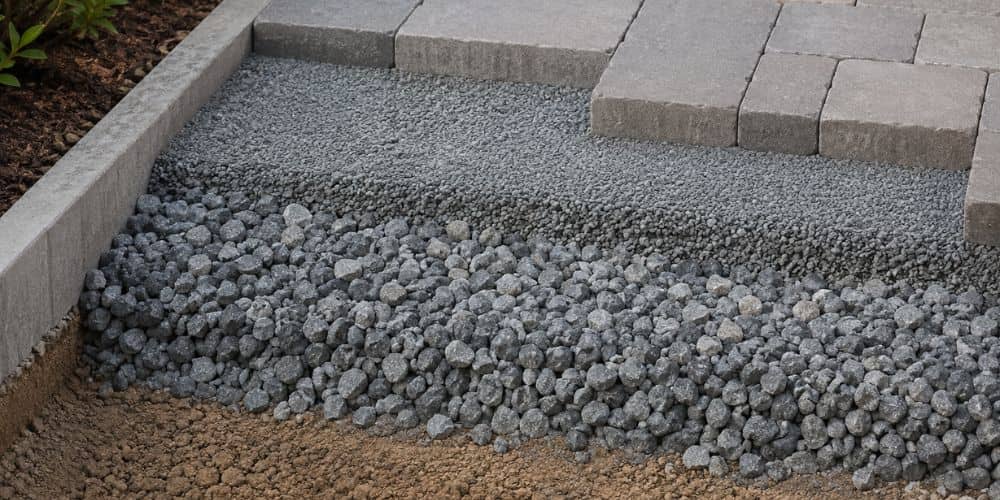
Many hardscape problems begin below the surface, especially in regions like Texas where clay soil holds moisture. When water becomes trapped beneath a patio or walkway, it can lead to movement, erosion, and uneven settling over time.
An open-graded base is designed to improve drainage beneath pavers. Instead of relying on dense materials that slow water movement, the system uses clean angular stone with open spaces between the pieces. Those spaces allow water to move through the base rather than collecting underneath the surface.
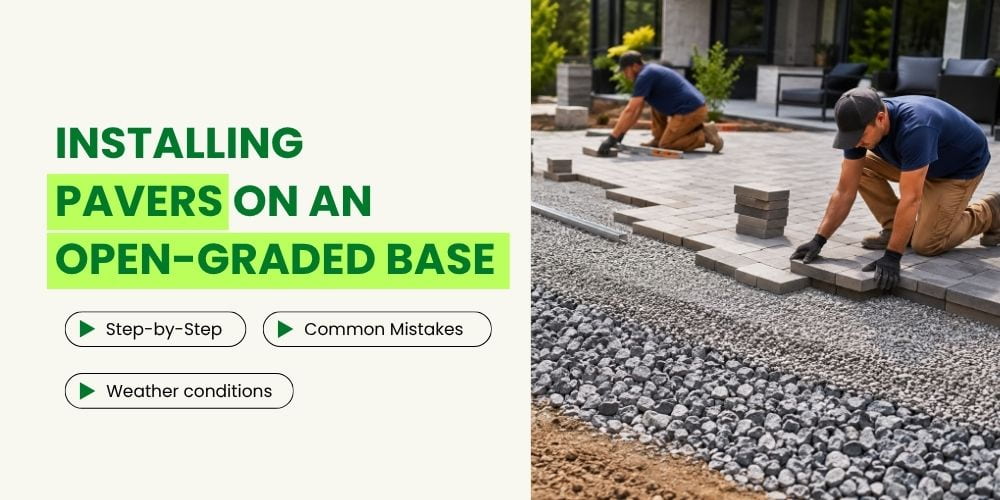
A typical open-graded paver system includes pavers, polymeric sand, bedding stone, open-graded aggregate, geotextile fabric, and a properly prepared subgrade. Together, these layers provide structural support while helping water move away from the installation area.
Step-by-Step Guide to Installing Pavers on an Open-Graded Base
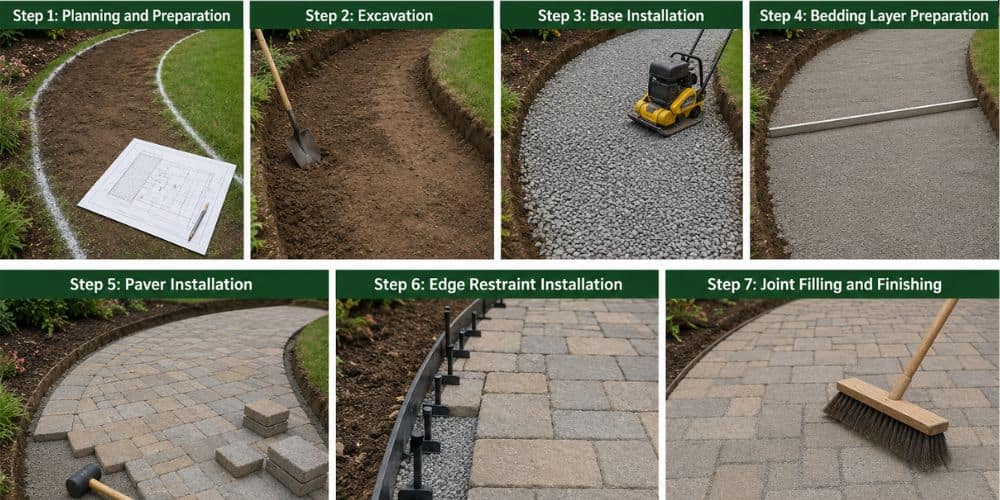
A successful paver project starts with proper preparation. Each layer of the system plays a role in supporting the surface and managing water movement. Following the installation process carefully helps create a durable and well-drained hardscape.
Step 1: Planning and Preparation
Before construction begins, mark utilities, establish the layout, and create a drainage plan. Proper planning helps prevent issues later in the project.
Step 2: Excavation
Excavate the area to accommodate the base materials and pavers. Once the soil is removed, shape and compact the subgrade to create a stable foundation. Proper slope is especially important in Texas soil conditions to prevent water pooling under the surface.
Step 3: Base Installation
Install geotextile fabric over the prepared subgrade, then add open-graded stone in compacted lifts. This layer provides structural support while promoting drainage.
Step 4: Bedding Layer Preparation
Spread and screed the bedding stone to create a smooth, even surface for the pavers.
Step 5: Paver Installation
Lay the pavers according to the chosen pattern while maintaining consistent spacing and alignment throughout the project.
Step 6: Edge Restraint Installation
Install edge restraints around the perimeter to help keep the pavers securely in place over time.
Step 7: Joint Filling and Finishing
Sweep joint material into the paver joints and compact the surface. Add more material as needed to fully fill the joints and complete the installation.
Read more: When to Apply Post-Emergent Herbicide in Texas
When Is the Best Time to Install Pavers on an Open-Graded Base?
A successful paver project starts before the first shovel enters the ground, especially in Texas where soil moisture and weather conditions directly affect installation quality. In Central Texas, spring and fall are typically the most reliable seasons for paver installation due to stable temperatures.
Winter (January–February): Plan Before Construction Starts
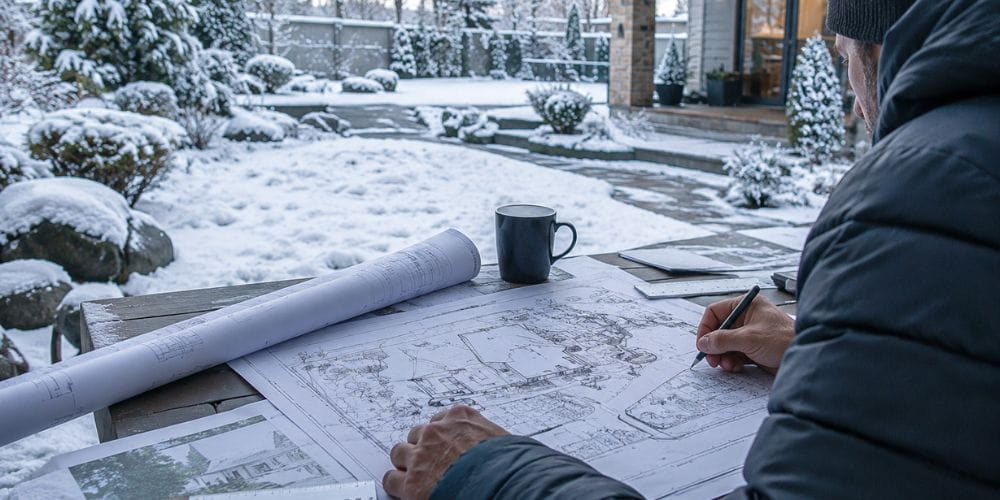
Winter provides an opportunity to finalize designs, evaluate drainage concerns, and select materials before the busy construction season begins.
Proper planning during winter often leads to a smoother installation process when conditions improve.
Spring (March–May): Build the Foundation
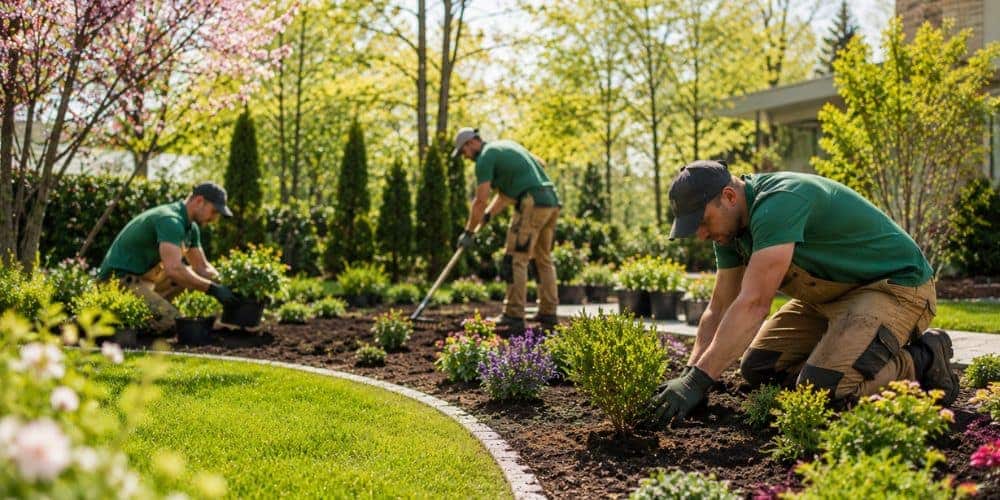
Spring is often considered one of the best seasons for paver installation. Moderate temperatures and workable soil conditions make excavation, grading, and compaction easier.
Building during spring also allows homeowners to enjoy the finished space throughout the warmer months.
Summer (June–August): Focus on Installation Quality
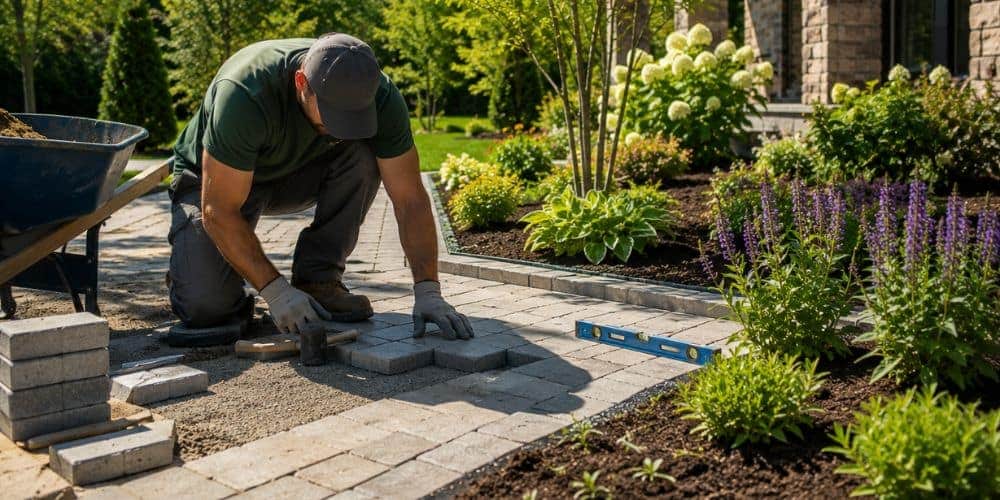
Summer remains a popular season for outdoor projects. However, higher temperatures can create additional challenges during excavation and compaction.
Careful attention to moisture conditions and installation quality becomes especially important during this time of year.
Fall (September–November): Finish Strong
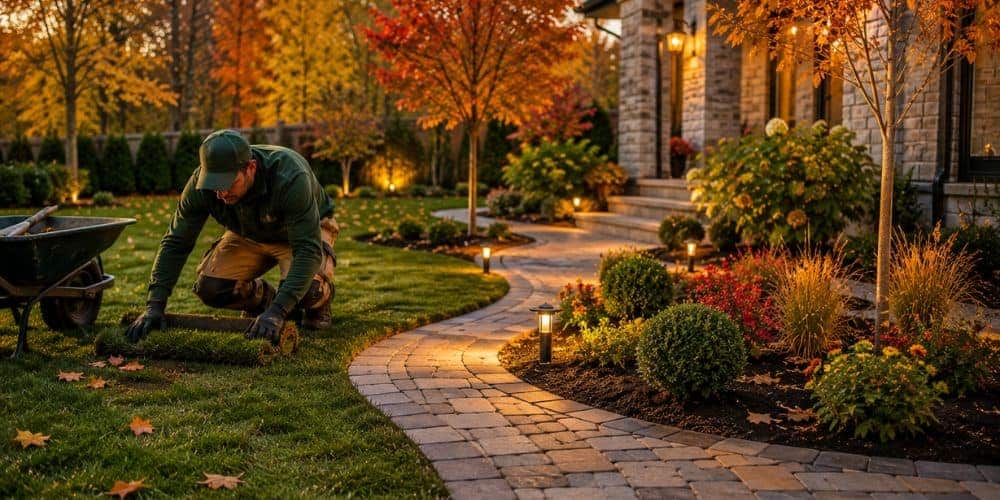
Fall offers cooler temperatures and generally stable weather patterns, making it another excellent time for hardscape construction.
Projects completed in the fall are often ready to enjoy by the following outdoor season.
Why Choose an Open-Graded Base for Paver Installation?
The benefits of an open-graded base extend far beyond installation day, especially in Central Texas where drainage and soil movement are common challenges.
Better Drainage
Open spaces within the aggregate allow water to move through the base rather than collecting beneath the pavers.
Read more: When to Start Watering Your Lawn in Spring, Texas
Improved Stability
Angular stone helps create an interlocking structure that can support the finished hardscape while maintaining drainage performance.
Faster Drying After Rain
Water is able to move through the system more efficiently, helping surfaces dry faster following rainfall.
Reduced Moisture-Related Issues
Improved drainage can help reduce the risk of settlement, erosion, and other moisture-related concerns.
Common Mistakes to Avoid When Installing Pavers on an Open-Graded Base
Most long-term paver failures are caused by mistakes made during base preparation. Even small mistakes during installation can have a significant impact on the long-term performance of a paver system.
- Skipping Geotextile Fabric: Without a separation layer, soil can migrate into the base and reduce drainage performance.
- Using the Wrong Aggregate: Rounded gravel does not provide the same interlocking stability as angular crushed stone.
- Poor Compaction: Each aggregate lift should be compacted thoroughly to create a strong foundation.
- Ignoring Proper Slope: Insufficient grading can lead to drainage problems and standing water.
- Weak Edge Restraints: Poor perimeter support may allow pavers to shift over time.
Where Can You Use an Open-Graded Base?
Open-graded systems can be used in a variety of residential applications where drainage and stability are important.
- Patios
- Walkways
- Pool decks
- Garden paths
- Outdoor kitchens
- Courtyards
- Outdoor living spaces
- Residential driveways
Read more: When to Aerate Your Lawn in Texas
Frequently Asked Questions About Open-Graded Paver Bases
Is an open-graded base better for drainage?
Yes. The system is specifically designed to allow water to move through the aggregate layers rather than remaining trapped beneath the surface.
Can open-graded bases be used for patios?
Yes. Patios are one of the most common applications for open-graded paver systems.
Do open-graded bases require maintenance?
Like any hardscape, periodic maintenance helps preserve performance and appearance over time.
What type of stone is used in an open-graded base?
Clean angular aggregate is typically used to create the open structure needed for drainage.
Can open-graded bases help reduce settling?
When installed correctly, the system can help improve stability and reduce moisture-related settlement issues.
Final Thoughts on Installing Pavers on an Open-Graded Base
For homeowners in Round Rock and surrounding areas, professional installation ensures proper grading, drainage, and long-term durability from the start. A properly installed open-graded base is essential for long-lasting paver performance, especially in Texas soil conditions where drainage and soil movement are common issues.
Every layer—from excavation to compaction and joint filling—plays a role in preventing settling, shifting, and surface failure over time.
If you want a professionally installed patio, walkway, or driveway built for durability and proper drainage, The Works Lawn Service provides expert paver installation focused on long-term durability and effective drainage performance.