
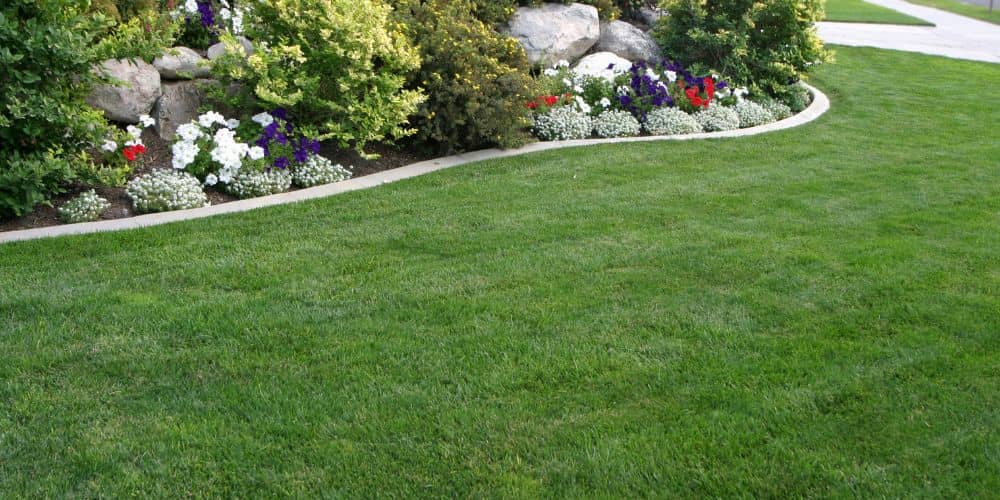
Texas summers don’t ease you in; they arrive fast and stay brutal. If your lawn isn’t prepared before the heat peaks, you’ll spend July and August trying to revive dead grass instead of enjoying your yard. This guide covers everything Texas homeowners need to do, month by month, to keep Bermuda, St. Augustine, and Zoysia lawns healthy through summer 2026.
What Texas Lawns Are Up Against in Summer 2026
This summer is shaping up to be particularly demanding. According to Climate Impact Company’s Summer 2026 Outlook, anomalous heat and dryness across the Gulf region will intensify through July, with late summer drought conditions spreading across Texas by August and September.
AccuWeather’s 2026 summer forecast also points to a developing El Niño driving above-normal temperatures across the southern U.S. through the season, with drought expected to worsen along the Gulf Coast.
For Texas lawns, that means less rainfall, higher evaporation, and more days of extreme stress on your grass. Getting your care routine right this summer matters more than most years.
Know Your Grass First
Not all Texas lawns are the same. The tips below apply to all three common warm-season grasses, but your grass type changes some specifics:
Bermuda: The most heat and drought-tolerant turfgrass in Texas. It can often survive on natural rainfall alone but benefits from supplemental irrigation. Best for full sun. Mow at 1–1.5 inches. (Texas A&M AgriLife – Bermudagrass Management)
St. Augustine: The most shade-tolerant warm-season grass, growing best between 80 and 95°F. Needs more water than Bermuda, about 1.5 inches per week. More sensitive to herbicides and heat stress. Mow at 2.5–4 inches. (Texas A&M AgriLife – St. Augustinegrass Management)
Zoysia: The middle ground. Good heat and drought tolerance with better shade performance than Bermuda. Slower growing, which means less mowing. Mow at 1–2 inches.
Early Summer (June): Set the Foundation
June is your last window to get everything in order before peak heat arrives. What you do now determines how your lawn performs in July and August.
Raise your mowing height
Taller grass shades the soil, reduces moisture evaporation, and keeps roots cooler. Keep mower blades at 3–4 inches for St. Augustine and toward the higher end of the range for Bermuda. According to Texas A&M AgriLife’s Mowing Recommendations for Warm-Season Turfgrasses, mowing at the higher end of the recommended range directly reduces weed pressure and heat stress. Never scalp your lawn heading into summer.
Apply your last fertilizer before peak heat
Feed in early June while the grass is actively growing. Texas A&M AgriLife’s lawn fertilization guidance is clear: do not apply fertilizer to drought-stressed grass or during hot, dry periods in late summer when moisture is limiting. Keep June applications light and avoid heavy nitrogen once temperatures consistently hit 95°F+.
Read more: When to Fertilize Your Lawn in Spring, Texas
Set your watering schedule — before restrictions hit
Many Texas municipalities enforce watering restrictions during the summer. Get your deep-watering habit locked in before those kick in. Water early in the morning so grass can absorb it before heat peaks, and avoid evening watering, which leaves grass wet overnight and invites fungal disease.
Read more: When to Start Watering Your Lawn in Spring, Texas
Handle post-emergent weeds now
Mature weeds become much harder to treat in peak summer heat. Take care of active weeds in June before your chemical options narrow.
Read more: When to Apply Post-Emergent Herbicide in Texas
Mid Summer (July–August): Survival Mode
By mid-summer, the focus shifts from aggressive growth to stress prevention and survival. July and August are about keeping your grass alive and dense until fall recovery returns.
Water deep, not often
The single most important habit. Water deeply every 4–7 days for established lawns, targeting 4–6 inches of soil penetration per session. Always check the soil before watering; if it’s still damp below the surface, hold off.
Texas A&M AgriLife’s Bermudagrass calendar recommends scheduling irrigation based on visible stress signals — a blue-gray color and wilting leaves rather than a fixed timer, especially when moisture is limiting.
Watch closely for overwatering signs too. See: Signs of Overwatering Plants
Recognize heat stress before it becomes damaged
Catch stress early, and you can recover. Watch for:
- Blue-gray tint on grass blades is the first sign of moisture stress
- Footprints stay visible after walking across the lawn
- Dry patches that don’t recover overnight
- Wilting or curling grass blades are conserving water
Act immediately when you see these. Adjust your watering before the lawn deteriorates further.
Keep mowing — but mow smart
Don’t stop mowing in summer, but follow the one-third rule strictly. Never remove more than one-third of the grass height in a single mow. Skip mowing during extreme heat spells if growth has slowed. Even mowing can stress heat-damaged turf during extreme temperatures. Keep blades sharp; a dull blade tears grass and increases moisture loss.
Watch for chinch bugs (St. Augustine especially)
Chinch bugs attack St. Augustinegrass during hot, dry periods, creating expanding yellow patches that are often mistaken for drought stress. Texas A&M AgriLife’s St. Augustinegrass management guide identifies chinch bugs as one of the most common summer pests of this grass type. Monitor closely and treat when populations are confirmed.
Watch for brown patch fungus
Hot nights combined with evening irrigation create perfect fungal conditions. Brown patches show as circular tan or brown patches with a darker ring around the edge.
Prevention: water in the morning, never at night. If it appears, reduce irrigation frequency immediately.
Late Summer (August–September): Prep for Recovery
August is still brutal, but it’s also the time to start setting up your fall recovery.
Hold off on aeration until conditions ease
Aeration during peak heat stress causes more damage than good. Wait until temperatures begin dropping in late August or September, then aerate to relieve the compaction built up over summer.
Read more: When to Aerate Your Lawn in Texas
Ease back on fertilizer, maintain water
August is not the time for heavy feeding. Back off on nitrogen, but keep your deep-watering schedule going. Your grass needs hydration, not a growth push it can’t support in the heat.
Start planning for fall
Late summer is when you plan overseeding, soil amendments, and fall fertilization, all of which kick in once temperatures consistently drop below 90°F.
Read ahead: Winter Lawn Care Guide
Common Summer Mistakes Texas Homeowners Make
Scalping before summer
Cutting grass too short heading into July removes the leaf tissue your grass needs to shade its own roots. It’s one of the most damaging things you can do before peak heat.
Watering every day lightly
Daily shallow watering keeps roots near the surface where they cook. Deep and infrequent beats shallow and daily every time.
Fertilizing in peak July heat
Heavy nitrogen in extreme heat pushes tender new growth that burns immediately. Skip the resume in September.
Ignoring watering restrictions
Most Texas cities enforce tiered restrictions during summer drought. Check your municipality’s schedule before summer starts, not after you get a fine.
Treating all grass types the same
St. Augustine needs more water and is far more sensitive to herbicides than Bermuda. Zoysia needs less mowing. Applying the wrong herbicide to the wrong grass can cause serious damage. Always check the product label and your grass type first.
FAQ: Texas Summer Lawn Care
How often should I water my lawn in Texas summer?
Water deeply once or twice a week, targeting 1 to 1.5 inches total. Bermuda can handle once a week; St. Augustine typically needs twice. Always water early in the morning, never at night.
Should I fertilize my Texas lawn in July?
Avoid heavy fertilization when temperatures are consistently above 95°F. Light feeding in early June is fine, but mid-July nitrogen in peak heat risks burning your grass. Resume normal feeding in September.
Why is my St. Augustine lawn turning yellow in summer?
Yellow patches in summer are most likely chinch bug damage, iron deficiency, or inconsistent sprinkler coverage. Check for insects first, then inspect your irrigation coverage before assuming it’s a nutrient problem.
Will my brown Texas lawn come back?
Most likely yes. Warm-season grasses like Bermuda and Zoysia go dormant under extreme drought but remain alive at the root. Resume normal watering when conditions ease and expect recovery within 2–3 weeks. St. Augustine is less tolerant of extended dormancy.
When do Texas watering restrictions typically start?
Most Texas cities begin Stage 1 restrictions between May and June, triggered by reservoir levels. Check with your city or municipal utility district before summer, not when restrictions are already in effect.
Texas summers are a test for any lawn, but the right habits make it manageable. Water deep, mow tall, skip the heavy fertilizer in peak heat, and keep an eye out for chinch bugs and brown patch. Start in June, not July, and your lawn will come out of summer in far better shape.
If you’d rather have it handled by people who know Texas grass, The Works Lawn Service provides seasonal lawn care built specifically for Texas heat, from summer watering programs to fall recovery treatments.