Your plants are changing color and starting to droop. It doesn’t make sense when you’ve been watering and caring for them daily. Nonetheless, you might be dealing with overwatered plants, but don’t worry. Along with the signs of overwatering, we also bring you some solutions for reviving your plants.
Top Signs You are Overwatering Your Plants
Before taking any further steps, you should check for the following overwatered plant signs.
Droopy Discolored Leaves
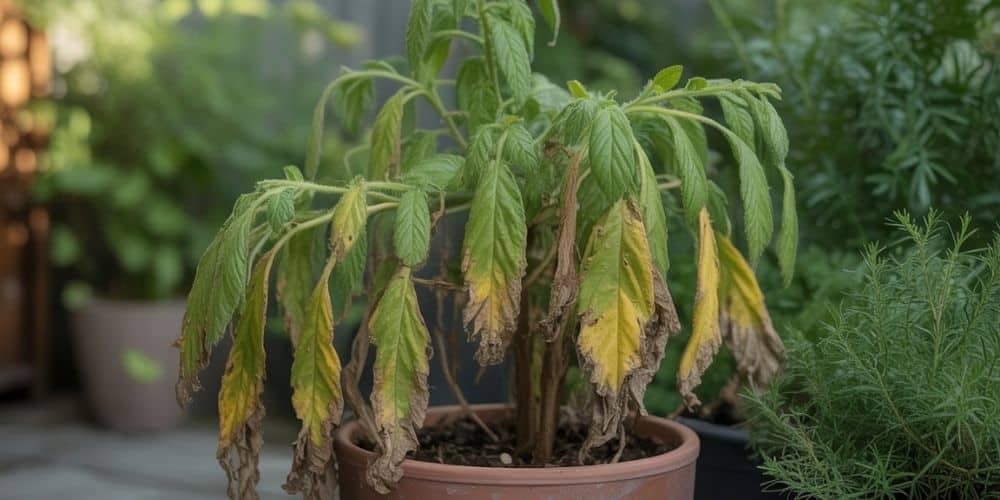
Normally, leaves feel firm and have some pliability along with vibrant hues. However, if your plant’s leaves start to droop and feel rather limp, then you have an overwatered plant on your hands.
Also, yellowing leaves or leaves that turn brown and dull signal that your plant has been watered too much and too often.
Thinning Foliage
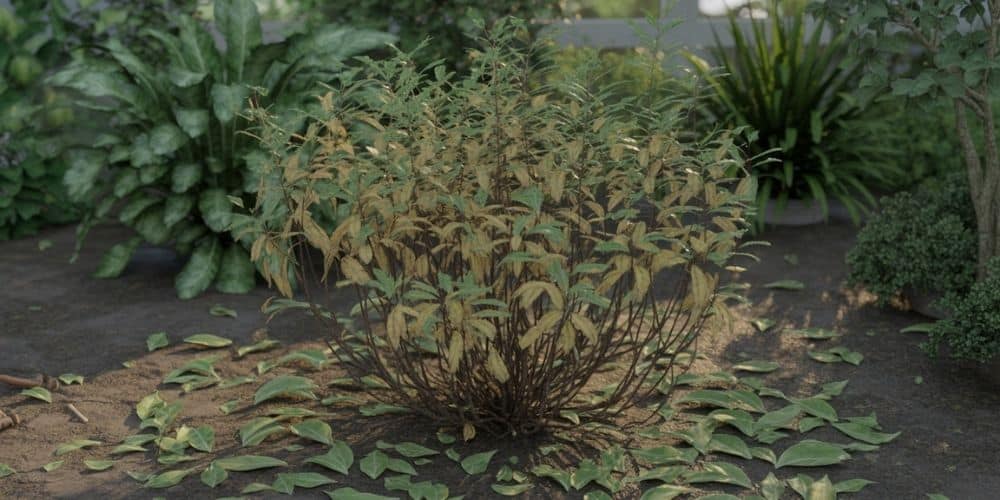
Another bad omen involves falling leaves–even when they still appear to be healthy. You might also notice that your plant is not sprouting new leaves. When growth slows down dramatically, even when the soil feels damp, you’ve been overwatering your plant.
Unstable Stems
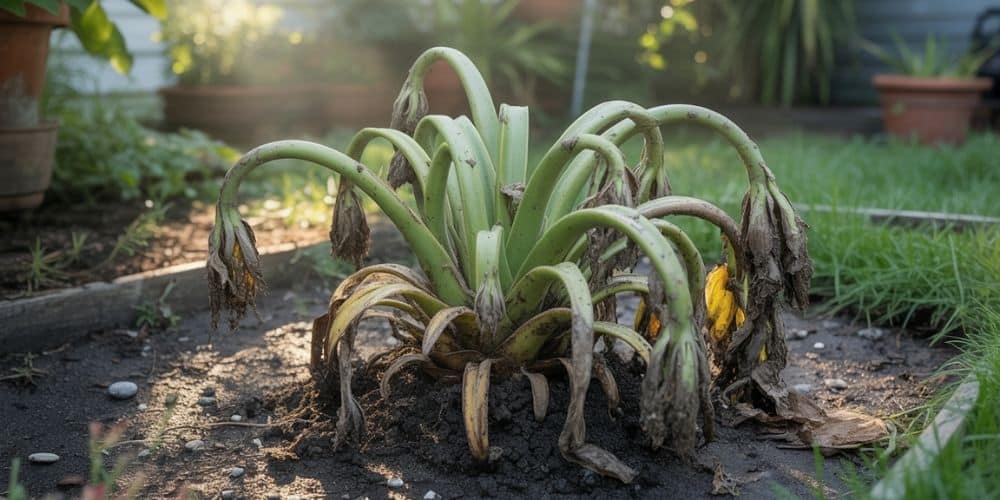
Along with drooping leaves, you’ll also see drooping stems if your plant is overly hydrated. Plus, the stems will have lost their firmness and feel mushy.
Mold or Fungus in the Soil
Unfortunately, too much water creates the perfect environment for fungal growth. So you would need to watch for a white or light gray substance on the soil’s surface. Additionally, fungus gnats are a sign of overwatering your plant.
Blisters on Stems or Leaves
In more extreme cases, you’ll find blisters on either side of the leaves and on the stems that are browning in color with a hint of yellow around the edges.
These markings tell you that your plant might have a bacterial infection caused by too much moisture and not enough drainage.
Root Rot
And in the worst scenario, you’ll see black or brown roots, which indicate that they’re rotting, but you might have a chance of saving the plant if you see a few healthy white or yellow roots that feel firm to the touch.
Also Read: How to Tell If A Plant is Dead and How to Revive It?
How to Fix Overwatered Plants?
Before retiring your plants to the compost pile, here are some possible solutions for reviving them.
Give Your Plant First Aid
When you see discolored or blistered leaves and stems, trim off the affected parts with a sterile pair of sharp scissors. (And don’t forget to sterilize your scissors after trimming the plant to avoid spreading disease to the rest of your vegetation.)
Remove Water from Containers and Soil
If your plants are growing in containers, then you’ll need to drain out any excess water by carefully tilting the container to allow the moisture to drip out.
In the case of indoor plants (or those growing in pots on the patio), empty any saucers or pebble trays that are underneath the containers.
Dry Out the Plant
To dry out your plants, you’ll need to stop watering immediately and wait a few days or weeks (depending on the type of plant) before watering again. If needed, you might have to gently aerate the surrounding soil. This might help with air flow to the roots, thus drying them out.
Repot or Relocate Your Plant
Finally, you can try repotting your plants or, if possible, moving them to a location in your garden where they receive more (not direct) sunlight and warmth to promote evaporation and drainage.
You’ll need to carefully dig the plant out of its soil and cut off roots that are rotting and stems or leaves that are affected. From there, you’ll place the plant in new soil that’s suitable for draining.
How To Prevent Overwatering
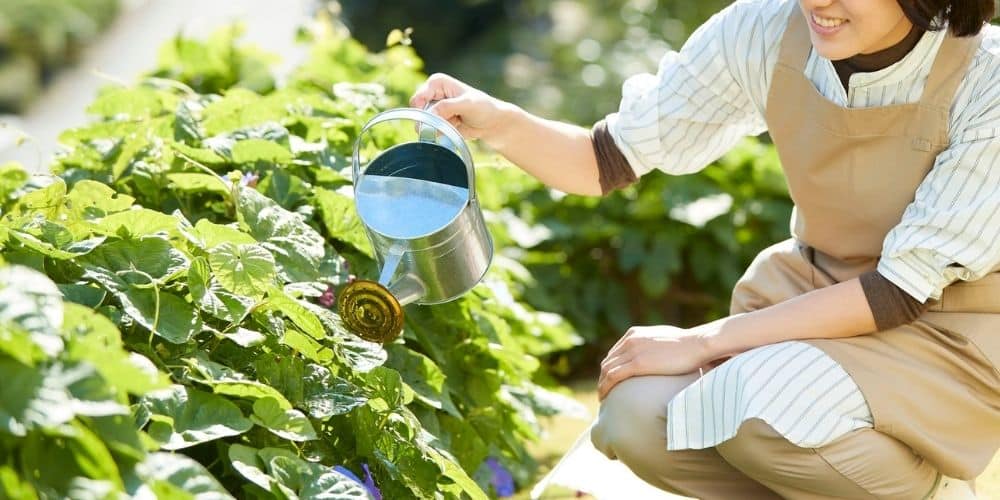
First, you might need to alter your watering schedule so that you hydrate your plants early in the morning. Prolonged exposure to sunlight and warmth prevents fungal growth from occurring.
Watering in the evening, however, promotes fungal growth since evaporation decreases in the coolest, darkest time of the day.
Also, make sure your plants have adequate drainage. All plant containers should have holes in the bottom and two or three spread out along the base.
For plants that are growing in the ground, you might raise their beds by adding layers of sand and/or compost. And consider relocating them if the beds are located at the bottom of a slope.
How to Water Your Plant Right
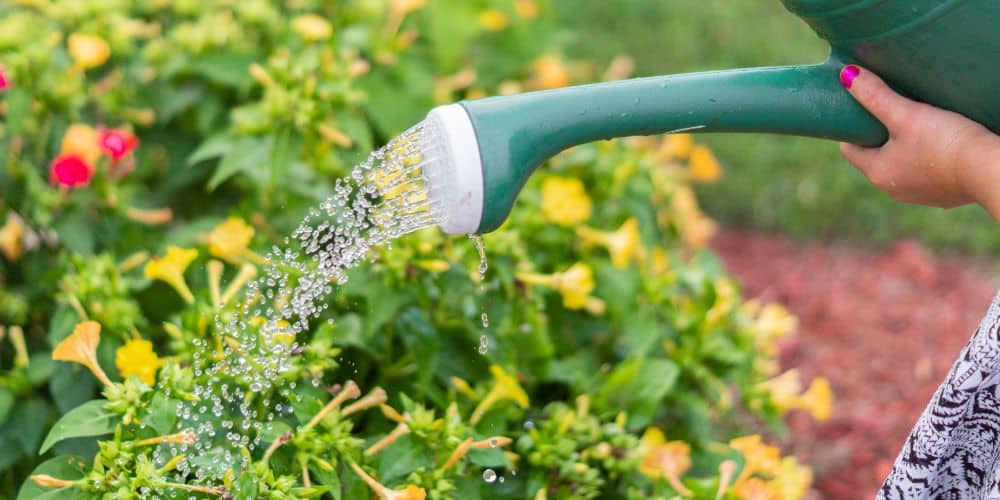
The correct routine for watering your plants…well…depends mostly on the types of plants you have. Each kind of plant has its own requirements. So studying up on your plants’ proper care can provide the best prevention against overwatering.
In general, though, you should check the soil for dryness and not just on the surface. You’ll need to feel the top two or three inches to see if it’s damp. If the soil still feels moist, then you’ll need to wait longer to water.
Plus, you might try using a drip system with a timer or simply water manually using a watering can. Running the sprinklers for an extended period of time may have caused the problem. Thus, you might avoid using them or shorten the watering time span and frequency.
Conclusion
So now you know what signs to watch for, some solutions for overwatered plants, and of course, some tips for prevention. Watering plants can get a bit tricky if you’re not familiar with the species’ requirements for proper hydration. However, you can take the time to learn more about your garden’s inhabitants and about the best type of irrigation to keep them healthy.
For a system that makes watering simple and efficient, The Works Lawn Service provides expert irrigation system installation in Round Rock, ensuring your plants get the right amount of water every time.