There’s nothing like a lush, green lawn surrounded by flowers and shrubs! Nonetheless, your irrigation system proves to be vital for keeping vegetation healthy while saving water, time, and money. So let’s dive into irrigation systems, how they work, and how to maintain them.
What Is Irrigation?
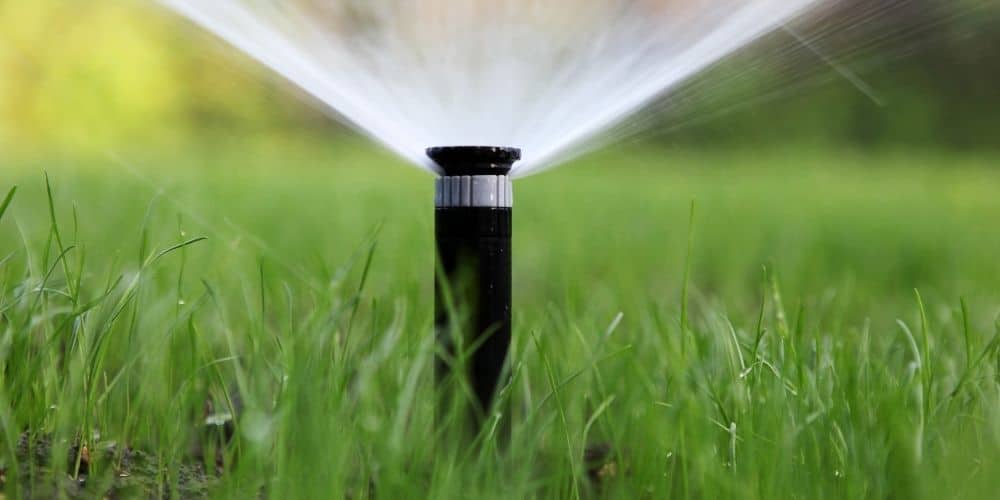
Irrigation refers to any human-created method of watering plants that doesn’t rely on just rain. As you’ll see, there are many different ways to get water where it needs to be–either through pipes or by hand.
And the best method depends on what type of landscaping you have, as well as climate patterns.
What Is an Irrigation System?
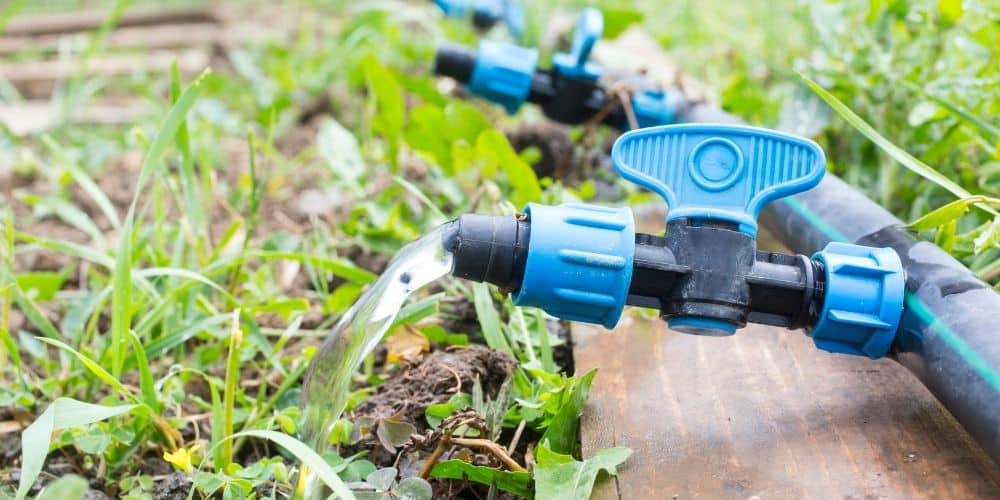
An irrigation system involves an artificial means of supplementing rainfall to guarantee that your plants will stay hydrated. So basically, you’re using hardware, like a network of pipes and/or hoses and hardware to spray or pour water where it needs to go.
Types of Irrigation Systems
Different climates and landscapes require different irrigation systems. Here are a few of the most commonly installed mechanisms for home or commercial usage.
Drip System
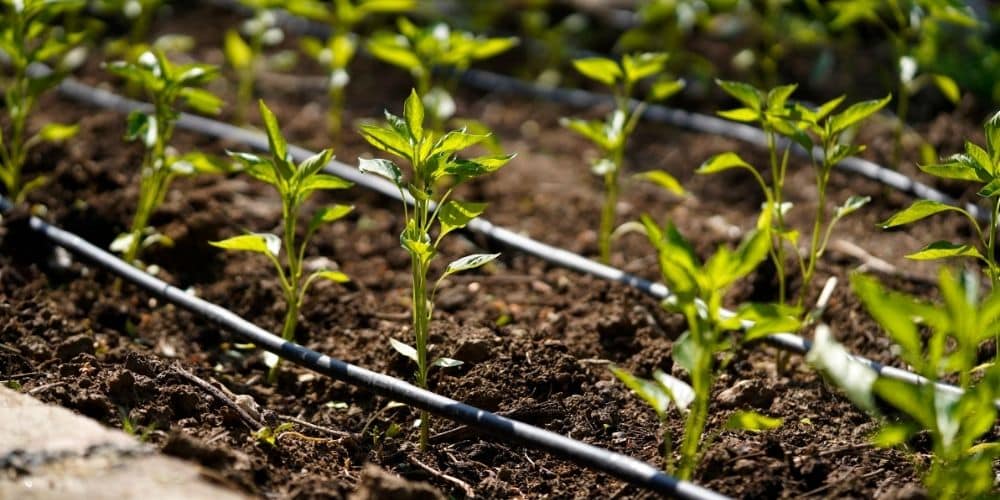
A drip system is exactly what the name implies, and it’s one of the most efficient irrigation systems you’ll find. The water drips from an emitter line, which looks like a tube, that’s connected to a valve. Because of this setup, you decrease water evaporation and run-off due to the positioning of the tubing that directs the water straight to the plants.
Sprinkler System
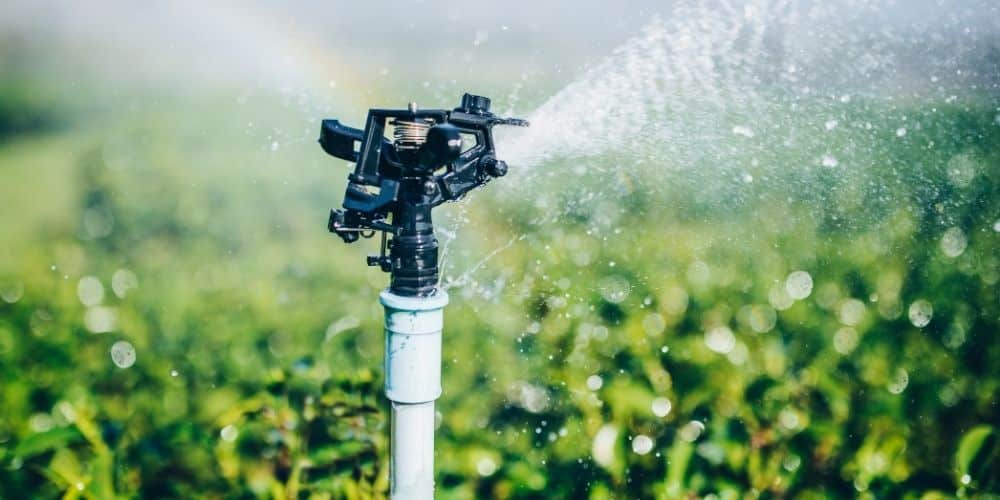
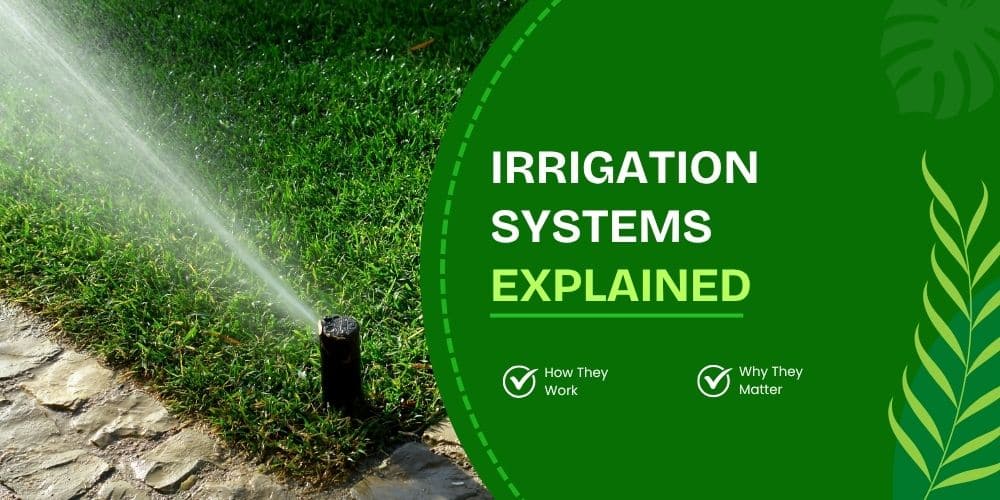
One system that you’re most familiar with is the sprinkler system. Connected by a network of underground pipes, sprinkler systems are set up to form a “grid” in your yard with the heads facing each other. Oftentimes, this irrigation system is controlled by a timer, but you can access small faucets to control the pressure in each section.
Soaker Hoses

Another irrigation method involves soaker hoses, which are porous and drip water once they become saturated. You simply attach them to your outdoor faucet, place them in between the rows of plants or along the edge of a flower bed.
These devices work best if you have plants arranged in rows (like a vegetable garden) but not spaced far apart. The excess water tends to create an ideal environment for weeds to grow.
Watering Can or Hose
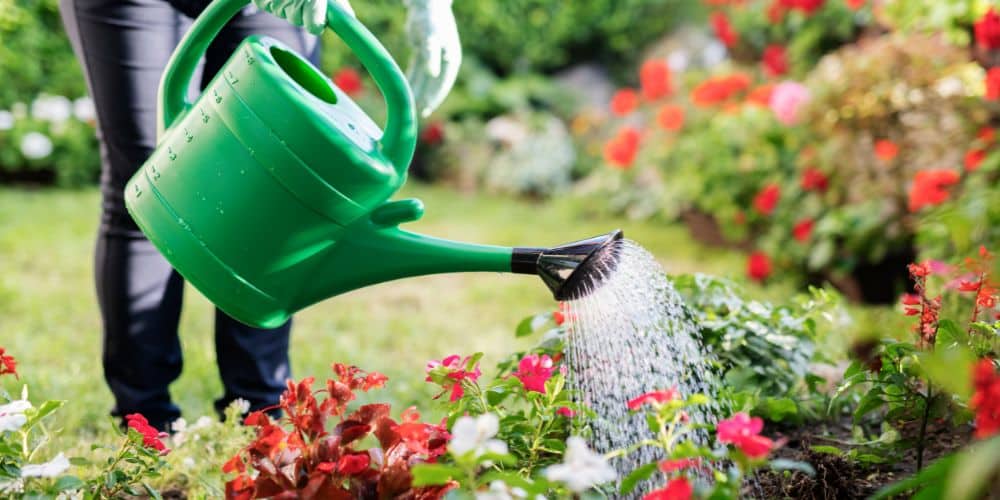
And we can’t rule out the manual method using either a garden hose or a watering can. However, this type of irrigation is more practical for plants in containers or for specimens that can’t be splashed due to a high risk for rotting.
How an Irrigation System Works
As mentioned, each type of irrigation has its own manner of getting water from Point A to Point B, but they all share one trait, and that is a connection to a water main. From there, the arrangement of pipes varies. Some pipes lay above ground to where they can be disconnected and moved.
However, the most common characteristic of irrigation systems is for the pipes to be buried. Either way, the water travels through this network to their outlets–whether they are sprinklers or tubing for a drip system.
While you can manually turn the valve to your garden’s water source, most systems, especially sprinklers, possess a timer. You simply program the time of day you want the system to run along with the duration for watering.
These electric mechanisms might be more expensive, but they actually save on the cost of your utility bills in the long term. Thus, they prove to be a popular investment for both residential and commercial properties.
Choosing the Right System
On the one hand, choosing the best irrigation system for your home might seem complicated, but there are criteria that can help narrow down your options.
Two of the most important include climate and your plants’ hydration requirements. In a dry, warm climate, you might need to water for a longer period of time during specific hours of the day. Thus, a drip system with a timer might work best.
Likewise, if you live in an area that receives more precipitation, then you might consider a sprinkler system alone or combined with drip tubing. However, you might have to go with the drip or manual watering option if your plants are picky about how much water they receive.
Common Problems & Solutions
Whereas irrigation systems take the guesswork out of conserving water while properly hydrating your lawn and garden, they come with their own set of issues–and fixes.
Ineffective Head Design and Layout
One of the biggest mishaps that occur with sprinkler system designs relates to the placement of the heads. More specifically, you (or your landscaper) should pay attention to the direction that each head is pointing.
Ideally, sprinkler heads should point toward each other because that means they’re all aiming for the lawn or the flower bed–not the sidewalk. The solution to this issue is to check each head to make sure it’s secure. Sometimes heads get hit by a lawnmower or kicked accidentally, which knocks them out of the correct direction.
Shallow Trenching
Another common problem is actually an installation shortcut that’s meant to save time and money. In the long run, trenches that aren’t deep enough result in more repairs needed to the pipes.
The best fix for this issue is to avoid it altogether when you have your irrigation system installed. Trenches need to be at least 15 inches deep in order to avoid damaged pipes.
Ignoring Precipitation Rates
Another problem with irrigating has nothing to do with the system’s functionality but rather how often it’s run. If you ignore patterns in precipitation, you risk overwatering your lawn and shrubs. In turn, this also overworks your system.
Tips to Maintain Your Irrigation System
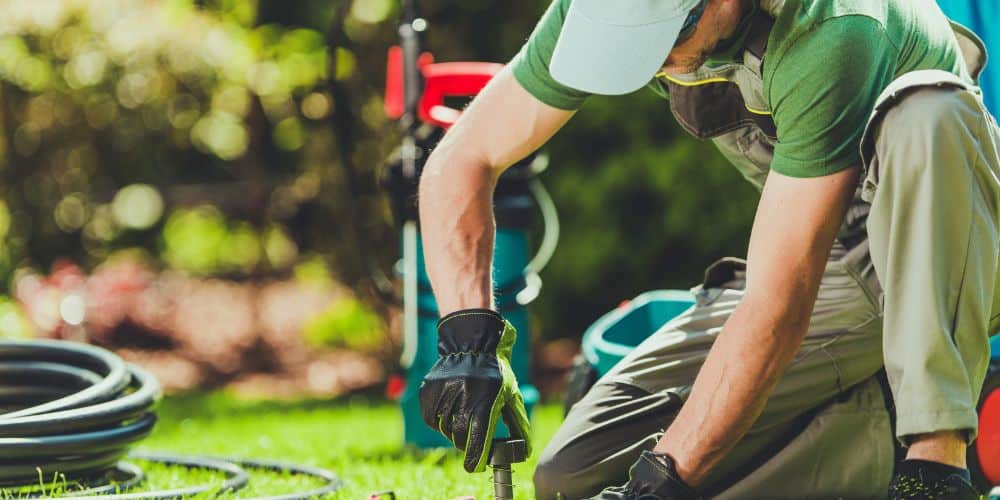
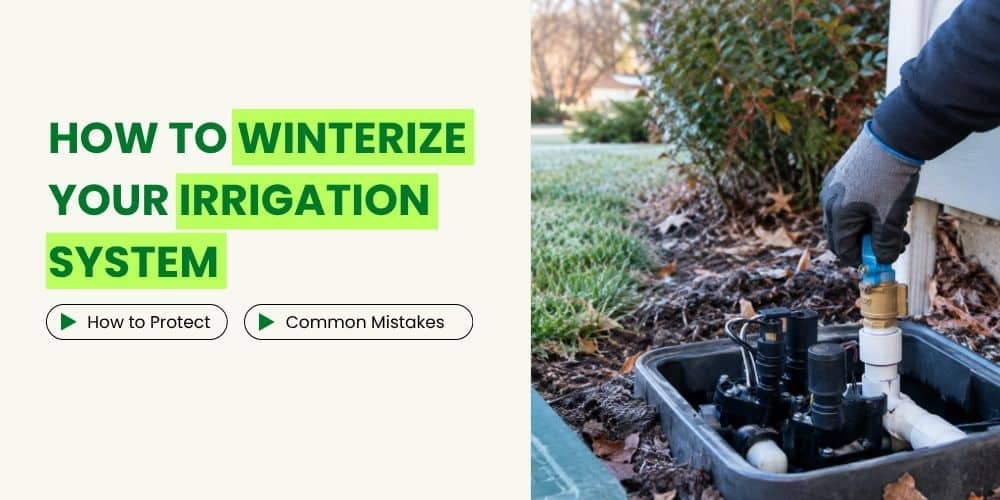
Furthermore, you can expect a long life and prime functionality from your irrigation system if you provide consistent maintenance. The best times to check your system’s components are in the fall and spring, before winterizing and then reopening.
Here are some tips to follow:
- Replace broken or missing sprinkler heads
- Check for overgrown tree roots that might damage pipes
- Service the electrical components and replace frayed or torn wires
- Replace old or broken pipes
If you have a timer, you should check that as well. Watering during the evening or early morning hours proves to be best for plant health and conservation. So a properly functioning timer greatly helps in both areas.
Conclusion
Irrigation systems don’t have to be complex to work well for your lawn and garden. All you have to do is follow a regular maintenance schedule and keep sprinkler heads from getting broken. Likewise, ensure that all tubing in drip or soaker systems don’t have clogs or tears. With a highly efficient system, you’ll enjoy a beautiful outdoor space without the big water bills.
If you’re ready to keep your landscape thriving with ease, The Works Lawn Service offers professional irrigation system installation, built for efficiency, reliability, and long-term savings.