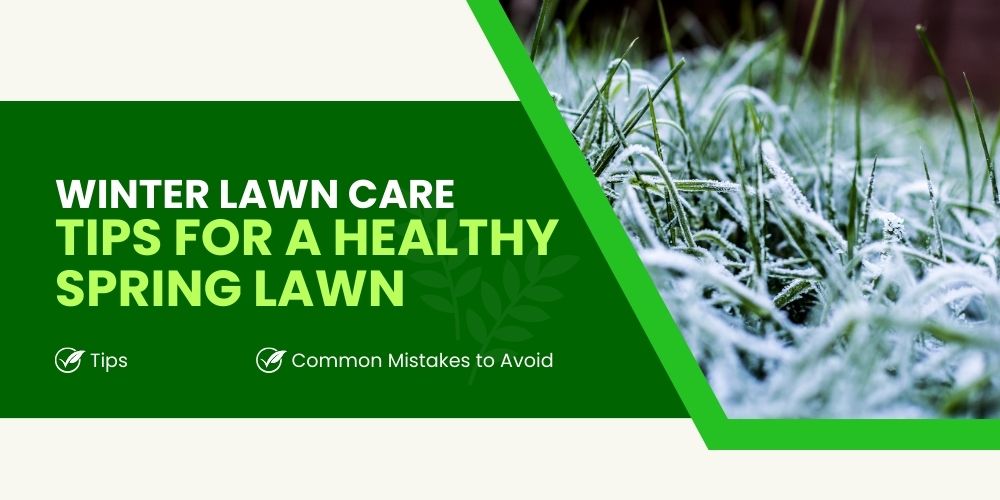
Winter lawn care isn’t about ignoring your grass until spring—it’s about protecting it during its most vulnerable time. A little attention now can prevent damage, reduce stress, and help your lawn bounce back greener and stronger when warmer weather returns.
1. Limit Foot Traffic on Dormant Grass
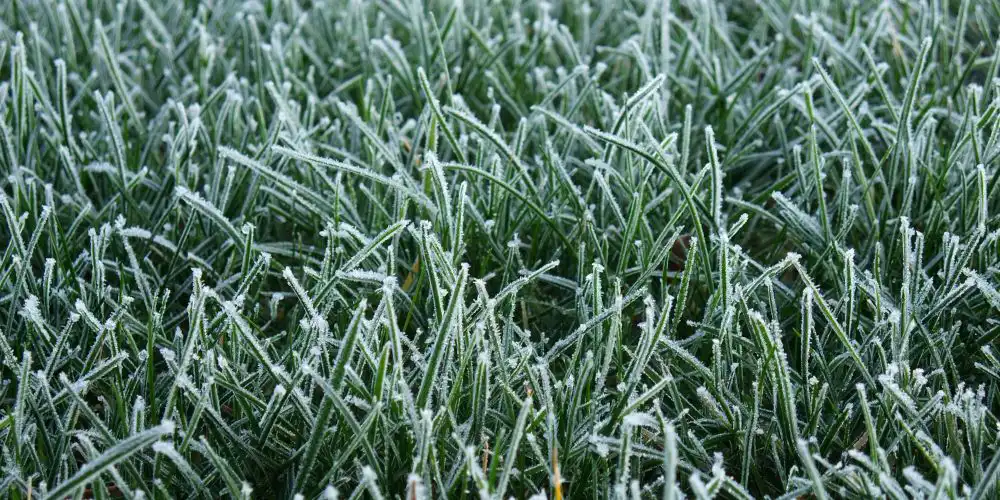
When grass goes dormant in winter, it becomes far more fragile than it looks. Walking on frozen or frosty turf can crush grass blades and compact the soil underneath.
Try to keep foot traffic to a minimum, especially during cold mornings. Giving your lawn some space now helps prevent thin, patchy areas later in spring.
2. Remove Leaves and Debris Regularly
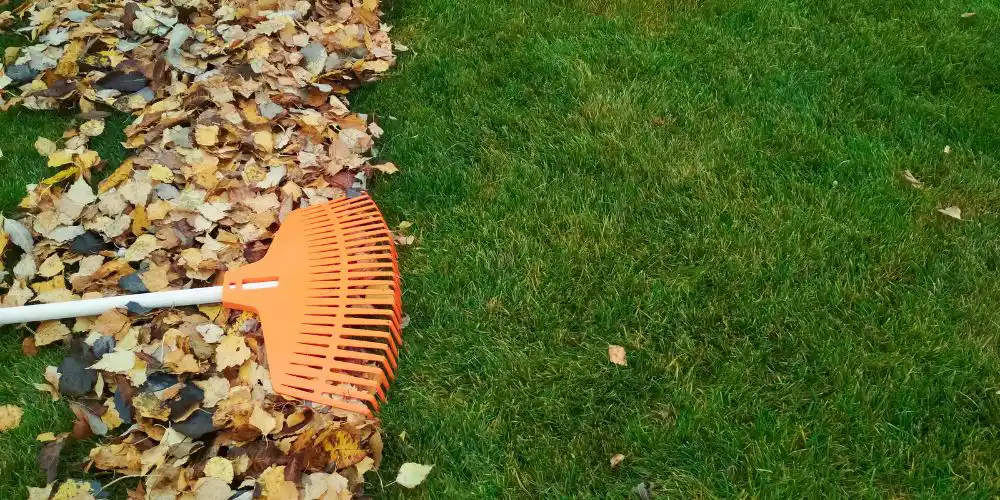
It’s easy to forget about fallen leaves in winter, but leaving them on your lawn can cause real problems. Wet leaves trap moisture, block sunlight, and create ideal conditions for fungal diseases.
Raking regularly allows air to circulate and keeps your grass dry and healthy throughout the season.
3. Use a Winter Fertilizer at the Right Time
Applying fertilizer before winter helps your lawn store nutrients and strengthen roots for spring, but timing matters. For cool-season grasses like fescue or bluegrass, fertilize in mid-to-late fall (often October–November), so the grass can absorb nutrients before dormancy (according to Lawn Love).
For warm-season grasses like Bermuda or zoysia, avoid late nitrogen applications; instead, focus on potassium or apply nitrogen earlier in the season (e.g., by early September) to avoid encouraging tender growth that cold weather can harm. (Clemson University)
Potassium plays a key role here, improving cold tolerance and helping turf survive winter stress so it’s ready to grow again in spring. (Clemson University)
4. Adjust Mowing Height Before Winter
Before winter sets in, make sure your grass isn’t too tall or too short. Grass that’s left too long can mat down and invite disease, while scalping can expose crowns to cold damage.
Many lawn care experts, including Sod Solutions, recommend lowering mowing height slightly before dormancy and mowing only during mild winter weather when grass is still growing.
5. Reduce Winter Watering to Avoid Root Damage
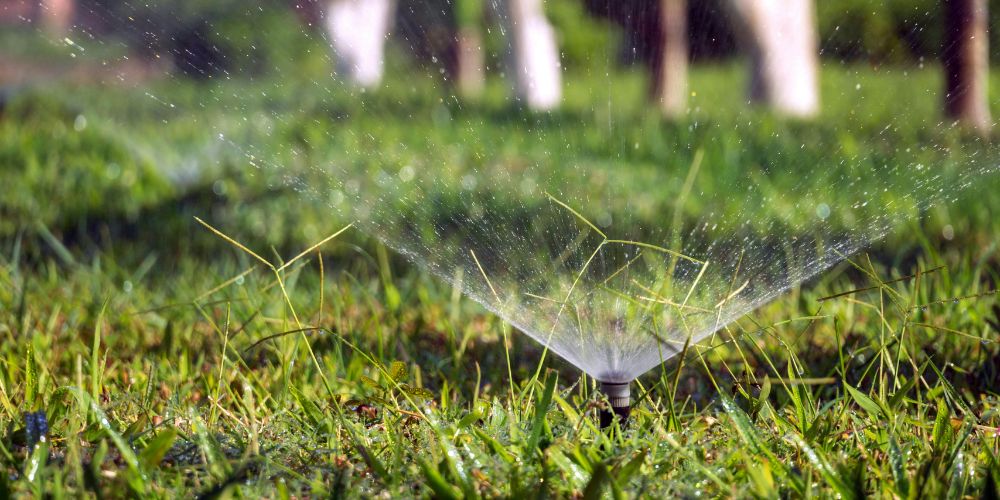
Your lawn doesn’t need nearly as much water in winter as it does in summer. Overwatering can lead to root disease, soggy soil, and compaction.
Only water during extended dry periods when temperatures are above freezing, and the soil is dry. In many cases, rainfall alone is enough during the winter months.
Also Read: Signs of Overwatering in Plants
6. Improve Soil Health and Drainage
Poor drainage can cause standing water, which suffocates roots and weakens grass during dormancy. Addressing compacted areas before the ground freezes can make a big difference.
Aeration improves drainage, allows roots to breathe, and supports healthier soil—setting your lawn up for a smoother recovery in spring.
7. Consider Overseeding with Cool-Season Grasses
If your lawn has thin or bare spots, overseeding before a heavy winter can help. For cool-season grasses, this improves turf density and reduces weed pressure when spring arrives.
While not necessary for every lawn, overseeding gives struggling areas a better chance to fill in naturally.
Also Read: How to Get Rid of Weeds in Your Lawn
8. Winterize Your Irrigation System
Leaving water in irrigation lines during freezing temperatures can cause pipes to burst and lead to expensive repairs.
Shutting off and winterizing your sprinkler system protects both your lawn and your irrigation equipment throughout winter.
Common Winter Lawn Mistakes to Avoid
- Overwatering during cold months, which encourages disease
- Letting leaves pile up and trap moisture
- Using high-nitrogen summer fertilizers in winter
- Walking on frozen or frosty grass, damaging crowns
- Ignoring drainage and soil compaction problems
Avoiding these mistakes keeps your lawn healthier through winter and makes spring recovery much easier.
FAQs About Winter Lawn Care
Q1. Should I fertilize my lawn during winter?
Yes—but timing is everything. Apply a late-fall or winterizer fertilizer before the ground freezes. These products strengthen roots and store nutrients for spring without forcing growth during cold weather.
Q2. How often should I water my grass in winter?
Very rarely. Water only during extended dry spells when temperatures stay above freezing. In many regions, watering every few weeks or not at all is sufficient.
Q3. Can I mow my lawn in winter?
You can mow if the grass is still growing during mild winter conditions. Always use sharp blades and avoid mowing frozen, frosty, or wet grass.
Q4. How do I prevent snow mold and winter lawn diseases?
Keep leaves and debris off your lawn, avoid excess nitrogen late in the season, and maintain proper mowing height before winter. Good airflow and moisture control are key.
Q5. What is the best winter lawn care schedule?
- Late fall: Fertilize and adjust mowing height
- Early winter: Remove debris and winterize irrigation
- Throughout winter: Limit foot traffic and water only when needed
- Early spring: Inspect for damage and plan recovery care
This approach protects your lawn during dormancy and encourages faster spring green-up.
Conclusion
Winter lawn care doesn’t require heavy work—but it does require smart decisions. By protecting dormant grass, avoiding common mistakes, and following these proven winter lawn care tips, you give your lawn the best chance to thrive when spring arrives.
If you want expert help keeping your lawn healthy year-round, The Works Lawn Service is here to deliver reliable, professional lawn care you can trust.