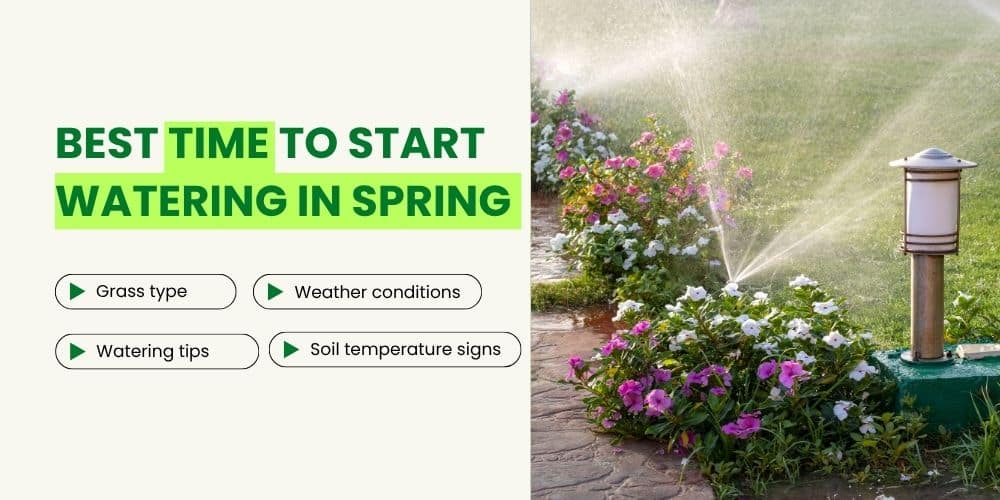
Best time to start watering your lawn in Texas: When soil temperatures reach around 65°F and grass begins active growth, not simply when the weather starts to feel warm.
In South Texas, watering may begin as early as late February, while Central Texas lawns typically need irrigation between mid-March and early April. In North Texas and the Panhandle, most lawns don’t require watering until April or even early May.
Start too early, and you encourage shallow roots, weed growth, and unnecessary water waste. Wait too long, and your lawn can become stressed during its most important growth phase.
Water your lawn when it needs moisture, not when the calendar says to.
The exact timing also varies based on your grass type, as different warm-season grasses enter active growth at slightly different soil temperatures. If you’re also planning seasonal lawn care, it’s important to understand when to fertilize your lawn in spring in Texas to avoid early mistakes and maximize growth.
Why Proper Spring Lawn Watering Timing Matters in Texas
Texas lawns transition quickly from mild spring weather to extreme summer heat. Poor watering timing can weaken turf and reduce long-term performance.
Starting irrigation too early can limit root development, while delaying watering during active growth may increase stress and thinning.
Proper timing helps:
- Encourage deeper root growth
- Improve drought resistance
- Promote thicker, healthier turf
- Reduce weed growth
- Prepare the grass for the summer heat
When Should You Start Watering Your Lawn in Spring
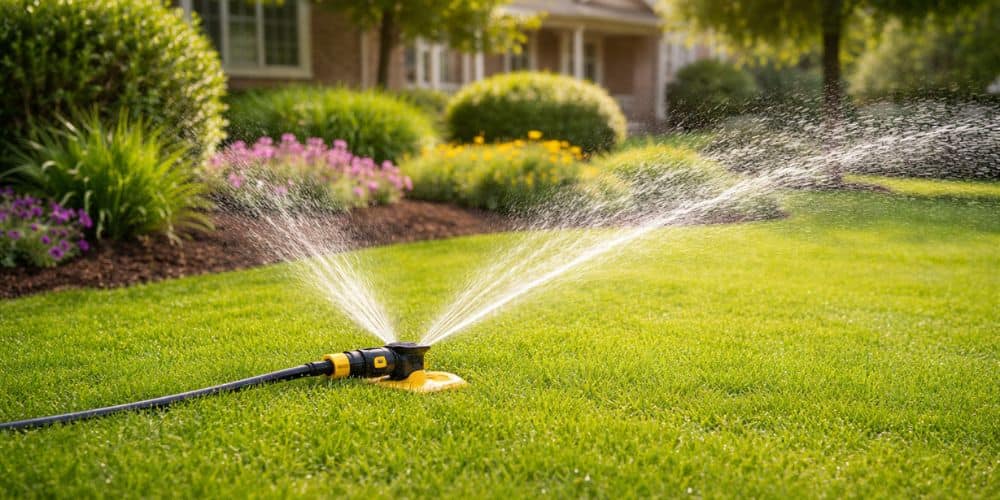
There is no fixed date for starting irrigation in Texas. Watering should begin when:
- Grass exits dormancy and begins active growth
- Soil moisture starts to decline
- Rainfall becomes less consistent
Check Soil Temperature Before You Start Watering
Do not guess. Use tools like the Texas A&M AgriLife Extension Service soil temperature resources to track real-time conditions in your area.
Once soil temperatures consistently reach around 65°F, warm-season grasses begin active growth. This is your signal that watering may soon be needed.
Know Your Last Frost Timing Before Watering
Before starting irrigation, make sure your area has passed the last expected frost date. Early watering before frost risk passes can slow root development.
Tools like Texas A&M AgriLife and the Old Farmer’s Almanac can help you check accurate frost timing.
Most lawns need about 1 inch of total moisture per week, including rainfall. Monitoring lawn conditions is more effective than following a strict schedule.
When to Start Watering Based on Grass Type in Texas
Your grass type is one of the most important factors, right after soil temperature, when deciding when to start watering in spring. Texas lawns are dominated by warm-season grasses, and each type exits dormancy at a different pace and responds differently to early-season moisture.
Starting too early or too late, based on the wrong grass type, can impact both watering and fertilization timing. Learn more about spring fertilization timing for different grass types in Texas.
1. Bermuda Grass: Early Green-Up, High Growth Response
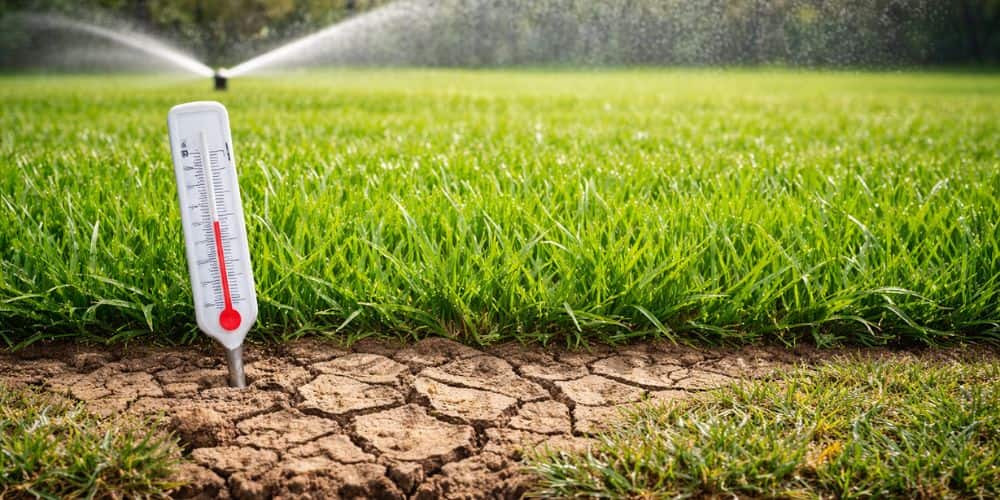
Bermuda grass is the most common turf across Texas and one of the earliest to break dormancy.
Watering window: Early to mid-spring (around 60–65°F soil temperature)
When to start: Once the lawn is fully green and the soil begins drying below the surface
- Responds quickly to rising temperatures
- Requires consistent moisture during early active growth
- Benefits from deep, infrequent watering
Watch for: Starting too early can feed weeds instead of supporting turf growth.
2. St. Augustine Grass: Warm-Weather Sensitive
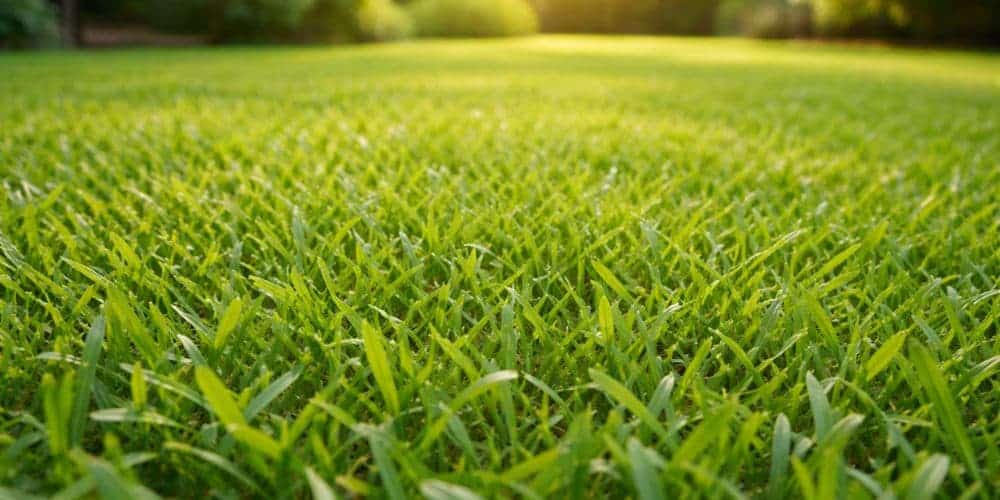
St. Augustine thrives in warmer regions like Houston and coastal Texas but is sensitive to early watering.
Watering window: Mid to late spring (above 65°F soil temperature)
When to start: After consistent growth and reduced rainfall
- Prefers stable warm temperatures
- Requires deep, less frequent watering
- Performs poorly in overly wet, cool soil
Watch for: Early watering increases the risk of fungal diseases and turf stress.
3. Zoysia Grass: Slow Transition, Low Early Demand
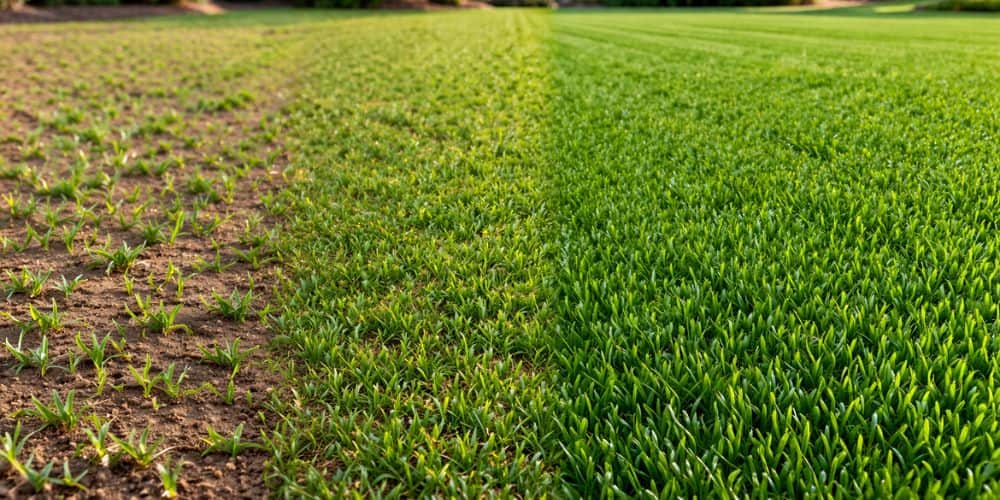
Zoysia grass is known for its dense growth and slower spring green-up.
Watering window: Mid to late spring (typically April to early May)
When to start: After full, even green coverage appears
- Retains moisture longer than most grasses
- Requires less frequent watering early in the season
- Responds best to controlled irrigation
Watch for: Overwatering too early can lead to thatch buildup and poor soil aeration.
4. Buffalo Grass: Native and Drought-Tolerant
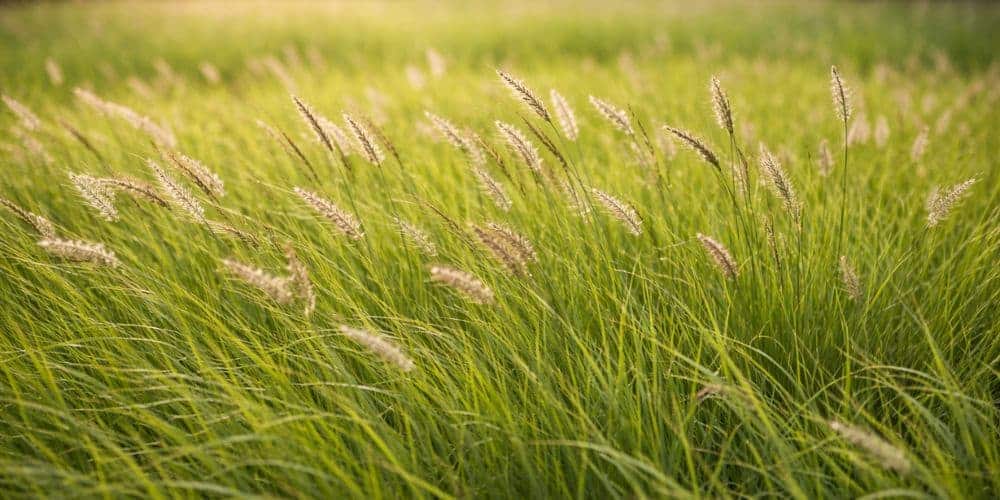
Buffalo grass is a native Texas turf that requires minimal water and greens up later than most grasses.
Watering window: Late spring (late April to May)
When to start: Only when soil is dry and growth is clearly visible
- Extremely drought-tolerant
- Requires very little irrigation early in the season
- Performs best with minimal intervention
Watch for: Overwatering reduces drought tolerance and encourages weed invasion.
Key Takeaway
Even if temperatures are right, watering too early for your specific grass type can do more harm than good. The safest approach is to combine:
- Soil temperature (around 65°F)
- Visible green-up
- Drying soil conditions
This ensures your lawn receives water only when it can actually use it, leading to stronger roots and better long-term performance.
When Soil Conditions Indicate It’s Time to Water
Soil conditions are one of the most reliable indicators of when your lawn actually needs water. Early in spring, soil often retains moisture from winter and rainfall. As temperatures rise, this moisture gradually decreases.
If the top few inches of soil feel dry and firm, and moisture is no longer reaching deeper roots, it’s time to begin watering.
Signs Your Lawn Needs Water in Spring
As your lawn begins to dry out, it will show visible signs of stress. Grass may lose its vibrant green color and appear dull or slightly bluish, while footprints may remain visible after walking across the lawn. You may also notice grass blades curling during warmer periods and overall growth slowing down.
Recognizing these signs early helps you adjust watering before serious damage occurs.
How Temperature Determines When to Start Watering
The table below provides a quick reference to help you determine the right watering timing based on temperature conditions.
| Temperature Range | Lawn Condition | Watering Timing |
| Below 50°F | Dormant | Do not water |
| 50°F – 65°F | Early growth | Water only if soil is dry |
| 65°F – 75°F | Active growth | Begin regular watering |
| Above 75°F | High evaporation | Increase watering depth |
When to Start Watering Across Texas Regions
| Region | Typical Start Time | Reason |
| South Texas | Late Feb – Early March | Warmer temperatures |
| Central Texas | Mid March – Early April | Rainfall variability |
| North Texas | Early – Mid April | Soil warms later |
| Panhandle | Late April | Cooler climate |
| Coastal Areas | Varies | Higher humidity |
Seasonal weather shifts can slightly adjust these timelines.
Best Time of Day to Water Your Lawn
The time of day you water your lawn plays a major role in how effectively moisture reaches the roots.
Early morning (5–9 AM) is the best time to water. Cooler temperatures and lower wind allow water to soak deeply into the soil with minimal evaporation.
Midday or afternoon watering should be avoided, as high heat and sunlight cause rapid evaporation, meaning much of the water never reaches the root zone.
Evening watering should be used with caution. While evaporation is lower, moisture can sit on grass blades overnight, increasing the risk of fungal diseases and pest problems.
Watering early in the morning provides the best balance of efficiency, absorption, and lawn health.
When to Check Soil Moisture Before Watering Your Lawn
Before turning on your sprinklers, it’s important to confirm whether your lawn actually needs water. In many parts of Texas, early spring rainfall can keep soil moist longer than expected.
You should check soil moisture:
- After rainfall
- When temperatures begin rising consistently
- During the transition from winter to spring
A simple test can help. Insert a screwdriver or soil probe into the ground if it slides in easily 4–6 inches, the soil still has enough moisture. If it’s difficult to push in, your lawn is starting to dry and likely needs watering.
Regularly checking soil moisture helps prevent overwatering while promoting deeper, healthier root growth.
When and How Often to Water Your Lawn in Spring
Spring lawn watering isn’t about following a fixed schedule, it’s about responding to your lawn’s changing needs as temperatures rise.
| Lawn Watering Rule (Simple & Accurate)Total weekly lawn moisture = About 1 inch (including rainfall)How to measure: Place a container in your yard while watering. When it fills to about 1 inch, your lawn has received enough water. |
| Smart Watering TipDeep watering once or twice per week is far more effective than frequent light watering. It encourages deeper roots and improves drought resistance. |
Most Texas lawns typically need watering once or twice per week, but only when:
- The soil begins to dry below the surface
- Rainfall becomes less consistent
- Grass enters active growth
Instead of watering lightly every day, it’s far more effective to water deeply and less frequently. Deep watering encourages roots to grow deeper into the soil, making your lawn more resilient to heat and drought.
During cooler or rainy weeks, you may not need to water at all. Adjusting your schedule based on real conditions is the key to maintaining a healthy lawn.
According to the EPA WaterSense Program, most lawns only need about 1 inch of water per week, including rainfall.
When to Run Your Sprinklers for Effective Lawn Watering
Run sprinklers long enough to reach about 6 inches deep, depending on soil type:
| Soil Type | Run Time |
| Clay | 25–35 minutes |
| Loam | 20–30 minutes |
| Sandy | 15–20 minutes |
Environmental Factors That Affect When to Water Your Lawn
In addition to grass type and soil moisture, environmental conditions play a major role in determining when your lawn needs water. Even if you follow a general schedule, your lawn’s moisture requirements can change quickly based on weather and site conditions.
For example, clay soils tend to retain moisture longer, while sandy soils dry out much faster and may require more frequent watering. Lawns that receive full sun or are exposed to strong winds will lose moisture more quickly than shaded or protected areas. Rainfall patterns can also vary significantly from week to week, sometimes providing enough natural moisture to delay irrigation altogether. In areas with poor drainage, water may remain in the soil longer, increasing the risk of overwatering.
Paying attention to these environmental factors allows you to adjust your watering timing more accurately, helping you maintain the right balance between too much and too little moisture.
You can also monitor regional moisture conditions using the U.S. Drought Monitor to adjust your watering schedule more accurately.
Signs Your Lawn Is Becoming Underwatered
As spring temperatures increase, lawns can begin to show early signs of water stress. Catching these signs early helps prevent long-term damage.
You may notice:
- Grass losing its rich green color and appearing dull or slightly bluish
- Soil becoming hard and difficult to penetrate
- Footprints remaining visible after walking
- Grass blades curling or folding during warmer parts of the day
- Slower or uneven growth
These signs indicate that moisture is no longer reaching the root zone effectively. At this stage, watering should not be delayed, as prolonged dryness can weaken the lawn and reduce its ability to handle upcoming summer heat.
When to Adjust Watering from Early to Late Spring
| Factor | Early Spring | Late Spring |
| Temperature | Cooler | Warmer |
| Moisture | Higher | Lower |
| Growth | Slow | Fast |
| Water Need | Minimal | Increased |
Increase watering gradually as temperatures rise.
When to Follow a Simple Spring Watering Schedule
A gradual, week-by-week approach helps you start watering at the right time without overwatering too early. Instead of relying on fixed dates, this method focuses on when your lawn actually begins to need moisture.
Week 1: When to monitor conditions
At the beginning of spring, focus on observation rather than watering. If your lawn is still partially dormant or soil remains moist from winter and rainfall, irrigation is not needed yet.
Week 2: When soil begins to dry
As temperatures rise and rainfall becomes less consistent, check soil moisture more frequently. If the top few inches start drying out and grass shows early growth, this is the point to begin light but deep watering.
Week 3: When active growth increases
Once your lawn turns consistently green and enters active growth, watering may be needed about once per week. Adjust timing based on weather conditions, especially during warm and dry periods.
Late Spring: When deeper watering becomes necessary
As temperatures continue to rise and evaporation increases, shift to deeper watering once or twice per week. This stage is critical for encouraging deep root growth and preparing your lawn for summer heat stress.
Following a gradual schedule based on real lawn conditions helps you avoid early overwatering while supporting stronger root development and long-term lawn health.
Common Spring Lawn Watering Mistakes to Avoid
Even if you know when to water, poor timing decisions can still hurt your lawn. Here are the most common mistakes to watch for:
Starting too early
If you water before the soil begins to dry or grass is fully active, you’re likely helping weeds more than your lawn. Early spring rain often provides enough moisture.
Watering too frequently
Watering too often keeps moisture near the surface, leading to shallow roots. It’s better to wait until the lawn actually needs water and then water deeply.
Ignoring rainfall and weather
Spring weather in Texas changes quickly. If it rains or temperatures stay cool, your lawn may not need watering at all—so always adjust based on conditions.
Watering during midday heat
Watering at the wrong time wastes water. Midday heat causes fast evaporation, so less moisture reaches the roots.
Overwatering the lawn
Too much water can suffocate roots and lead to disease, especially in shaded or poorly drained areas.
Why this matters
Avoiding these mistakes helps your lawn develop deeper roots, use water efficiently, and stay strong heading into summer.
When to Follow Spring Watering Guidelines (March – May)
Spring watering guidelines should be followed once your lawn has fully exited dormancy and enters active growth, typically between March and May across most Texas regions. During this time, soil temperatures remain consistently above 65°F, and grass begins using more moisture as it grows.
Most lawns require watering once or twice per week, providing about one inch of total moisture, including rainfall. However, this should always be adjusted based on current weather conditions. You can skip watering during rainy weeks and increase frequency slightly during dry or windy periods. Early morning watering is the most effective, as it allows moisture to soak into the soil before evaporation increases later in the day.
Following these guidelines at the right time helps maintain consistent soil moisture, supports deeper root development, and prepares your lawn for the intense summer heat.
When to Adjust Lawn Watering Throughout the Year
Proper lawn watering is not only about when you start in spring, but also how irrigation needs change throughout the year.
Spring (March – May)
- Water once or twice per week
- Aim for about 1 inch of water
- Water early morning
Summer (June – August)
- Water two to three times per week
- Apply 1–1.5 inches weekly
- Avoid afternoon watering
Fall (September – November)
- Reduce watering frequency
- Water once per week if needed
Winter (December – February)
- Minimal watering required
- Water only during extended dry periods
Conclusion
Knowing when to start watering your lawn in spring in Texas is one of the most important factors in achieving long-term lawn health. By paying attention to soil temperature, grass type, moisture levels, and environmental conditions, you can avoid common mistakes and build a stronger, more resilient lawn.
Instead of relying on fixed dates, successful lawn care comes down to observing real conditions and adjusting your watering schedule accordingly. This approach not only improves root development but also increases drought resistance as temperatures rise.
For homeowners who want consistent, professional results without the guesswork, The Works Lawn Service offers expert irrigation management, seasonal lawn treatments, and customized care plans across Round Rock and surrounding Texas areas.
Schedule your consultation today and get a customized watering plan designed for your lawn and local Texas conditions.
FAQs About Spring Lawn Watering in Texas
When should I start watering my lawn in Texas in spring?
Most lawns should be watered when grass begins active growth and soil moisture decreases, typically between late February and mid-April depending on region.
When is it too early to start watering your lawn in Texas?
It is too early to water when soil temperatures are below 50–60°F and grass is still dormant. Watering at this stage can lead to shallow roots and increased weed growth.
When should you stop watering your lawn in spring?
Spring watering should be reduced when consistent rainfall provides enough moisture or when transitioning into a summer watering schedule with deeper, less frequent irrigation.
What is the best time of day to water grass?
Early mornings between 5 AM and 9 AM provide the best results with minimal evaporation.
How often should I water my lawn in spring?
Deep watering once or twice per week is usually sufficient, depending on rainfall and soil type.
How long should sprinklers run?
Clay soils may need 25–35 minutes, while sandy soils require shorter watering times.