
Weeds can spread quickly across Texas lawns once temperatures begin supporting active growth. If visible weeds are not treated early, they compete with turfgrass for sunlight, nutrients, and moisture, leading to thinning grass, patchy areas, and reduced overall lawn health. Knowing when to apply post-emergent herbicide helps homeowners control existing weeds more effectively and maintain stronger turf throughout the growing season.
Post-emergent herbicides are designed to eliminate weeds after they have already emerged, but successful treatment depends heavily on proper timing, weather conditions, and weed growth stages. Applying herbicide at the right moment improves absorption, reduces repeat applications, and supports long-term lawn health.
This lawn timing guide explains when to apply post-emergent herbicide in Texas, the best time to spray for effective weed control, ideal application temperatures, and seasonal strategies to keep lawns healthier and weed-free.
For more detailed research on post-emergent weed control, see NC State Extension on Post-Emergent Weed Control and USU Extension on Post-Emergent Herbicides.
Why Timing Matters for Post-Emergent Weed Control
Proper timing improves herbicide absorption, reduces repeat applications, and prevents weeds from spreading across the lawn. Late treatments may require stronger chemicals and may not fully eliminate perennial weeds.
When to Apply Post-Emergent Herbicide in Texas
Post-emergent herbicide should be applied when weeds are young and actively growing, typically during spring and early fall in Texas.
The ideal temperature range for application is 65°F to 85°F, when weeds absorb herbicides more efficiently and turf stress is minimal.
Quick Timing Tips
- Apply when weeds are clearly visible
- Spray during calm weather conditions
- Avoid application before rainfall
- Morning or evening spraying improves results
- Spot treat during extreme summer heat
- Avoid spraying during drought stress or temperatures above 90°F
When to Spray Post-Emergent Herbicide
Seasonal weed cycles influence spraying schedules. Applying herbicide during peak weed growth stages improves results and reduces the need for repeat treatments.
| Season | Why Spraying Works |
| Spring | Winter weeds begin active growth |
| Summer | Warm-season weeds like crabgrass spread quickly |
| Fall | Perennial weeds move nutrients to roots |
Summer spraying should focus mainly on localized infestations rather than full-lawn treatments.
Post Emergent Application Temperature
The best post-emergent application temperature is between 65°F and 85°F. Cooler temperatures slow weed metabolism, while excessive heat increases turf stress and reduces herbicide effectiveness.
When to Put Down Post-Emergent Weed Killer
Post-emergent weed killer should be applied when infestations begin affecting lawn density, turf color, or uniform growth.
Common signs your lawn needs treatment include:
- Increasing weed patches
- Thin or stressed grass areas
- Bare soil exposure
- Recurring seasonal weeds
Early intervention helps prevent widespread infestations and reduces lawn recovery time.
What Is a Post-Emergent Herbicide
A post-emergent herbicide is a chemical solution used to eliminate weeds after they have sprouted. These herbicides are applied directly to leaves or stems, where they are absorbed and disrupt essential growth processes, eventually killing the weed.
Common Texas Lawn Weeds
| Weed Type | Examples |
| Broadleaf | Dandelions, clover |
| Grassy | Crabgrass |
| Cool-season | Chickweed |
| Perennial | Plantain, spurge |
Correct weed identification improves treatment success.
Morning vs Evening Herbicide Spraying
Cool temperatures and reduced wind improve herbicide retention on weed foliage.
| Time | Benefit |
| Morning | Better absorption conditions |
| Midday | Higher evaporation risk |
| Evening | Reduced spray drift |
Can You Spray Post-Emergent Herbicide After Mowing
Mowing immediately before treatment may reduce herbicide effectiveness because weeds need sufficient leaf surface for absorption. Waiting 24 to 48 hours after mowing allows weeds to regrow slightly and improves results.
Can You Apply Post-Emergent After Rain
Apply herbicide only after weed leaves are completely dry following rainfall.
| Rain Timing | Effect |
| Rain within 6 hours | Reduced effectiveness |
| Rain after 24 hours | Generally safe |
| Storm forecast | Delay spraying |
Types of Post-Emergent Herbicides
1. Selective Herbicides

- Target: Specific weeds, usually broadleaf types like dandelions, clover, or chickweed.
- Grass Safety: Safe for most turf types, including Bermuda, St. Augustine, and Zoysia.
- Use Cases: Ideal for residential lawns where you want to remove weeds without harming grass.
- Tips: Apply when weeds are actively growing. Avoid extreme heat to prevent stress on turf.
2. Non-Selective Herbicides
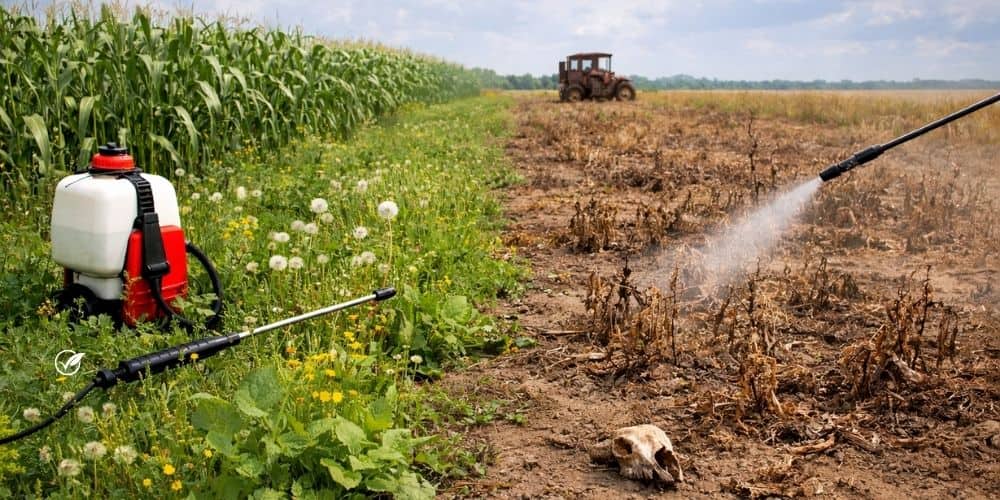
- Target: Almost any plant they touch, including grass and flowers.
- Use Cases: Best for driveways, sidewalks, patios, and non-lawn areas.
- Tips: Use a shielded sprayer for precision. Avoid contact with grass or garden plants.
3. Systemic Herbicides
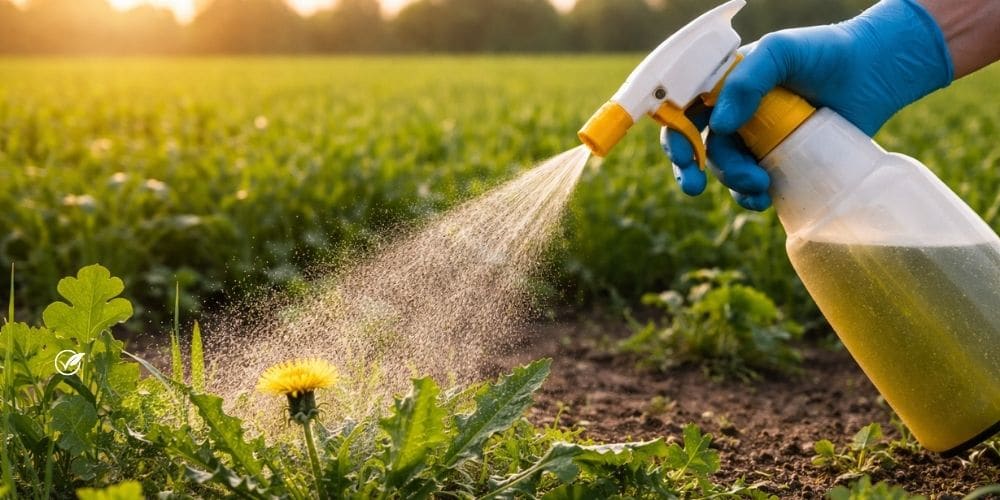
- Target: Entire plant, including roots. Effective for deep-rooted perennial weeds.
- Mechanism: Absorbed through leaves and transported to roots, preventing regrowth.
- Tips: Slower to show results but provides long-term control. Repeat treatments may be necessary for mature weeds.
4. Contact Herbicides

- Target: Only the parts of the plant they touch. Suitable for small annual weeds.
- Results: Quick, visible results—leaves may yellow or brown within hours to days.
- Tips: Multiple applications may be needed for dense infestations. Avoid windy days to reduce drift onto desirable plants.
Best Temperature to Apply Post-Emergent Herbicide
Temperature strongly affects herbicide performance.
- Below 60°F → weed growth slows and absorption decreases
- 65°F to 85°F → ideal weed control conditions
- Above 90°F → increased turf stress risk
Applying herbicide during moderate weather improves effectiveness.
How to Choose the Right Post-Emergent Herbicide
- Identify the weed type: Broadleaf, grassy, annual, or perennial.
- Selective vs. non-selective: Selective protects grass; non-selective is for bare areas.
- Check your grass type: Some herbicides can harm sensitive turf like St. Augustine.
- Target growth stage: Apply when weeds are young and actively growing.
- Follow product instructions: Proper mixing, application rates, and safety precautions prevent damage.
When Not to Apply Post-Emergent Herbicide
Certain lawn conditions reduce herbicide effectiveness or increase turf damage risk.
Avoid spraying during:
- Extreme summer heat
- Lawn drought stress
- Grass dormancy
- High winds
- Heavy rain forecast
Should You Spot Treat or Spray the Whole Lawn
Treatment strategy depends on weed density and seasonal lawn conditions. Spot treatment works well for small infestations and reduces chemical use. Broadcast spraying may be necessary when weeds are widespread during peak growing seasons such as spring or fall.
Which Weeds Are You Fighting?
| Weed Type | Characteristics | Recommended Herbicide Approach |
| Broadleaf (dandelions, clover) | Wide leaves, flowers | Selective broadleaf herbicides |
| Grassy (crabgrass, foxtail) | Thin, grass-like leaves | Grassy weed-specific herbicides |
| Annual weeds | Complete life cycle in one season | Contact or selective post-emergent herbicides |
| Perennial weeds | Return yearly from deep roots | Systemic herbicides |
Tools to Get Your Post-Emergent Timing Right
For exact soil temperature readings in your specific location, the Greencast Soil Temperature Tool allows you to track real-time soil conditions.
For current, temperature-based recommendations by state, the GrassDaddy Pre-Emergent Map provides live seasonal timing guidance.
How to Apply Post-Emergent Herbicide Correctly
Proper application ensures maximum weed control while protecting your turf. Follow these detailed steps:
Step 1: Identify the Weed Type
Ensure the herbicide matches the weed (broadleaf vs. grassy, annual vs. perennial).
Misidentifying weeds can lead to ineffective results or damaged turf.
Step 2: Apply to Young, Actively Growing Weeds
Young weeds absorb herbicides more efficiently.
Avoid application during stress conditions like drought, extreme heat, or frost.
Step 3: Spray Directly on Foliage
Most post-emergent herbicides are absorbed through leaves, not soil.
Ensure complete coverage of all leaves for maximum effectiveness.
Step 4: Apply During Calm, Dry Weather
Wind can cause spray drift onto nearby flowers, shrubs, or sensitive grass.
Early morning or late evening is often ideal in Texas when winds are calmer.
Step 5: Avoid Rainfall or Irrigation for at Least 24 Hours
Rain or sprinklers can wash away herbicide before absorption.
Check the weather forecast before applying.
Step 6: Follow Product Instructions Carefully
Use the correct mixing ratios, application rates, and safety precautions.
Protective clothing, gloves, and eye protection are essential.
Step 7: Spot Treatment for Small Infestations
Treat only weed patches to reduce chemical use and protect surrounding plants.
A handheld sprayer is ideal for precision spot treatment.
Step 8: Repeat Applications if Necessary
Some perennial weeds, such as dandelions or plantain, may require multiple treatments.
Follow the product’s recommended reapplication interval.
Common Mistakes When Using Post-Emergent Herbicides
Avoiding these errors ensures better results and healthier turf:
- Treating Mature or Dormant Weeds Too Late
Older weeds may be resistant and require more chemicals or repeat treatments. - Using the Wrong Herbicide for the Weed Type
Broadleaf herbicides won’t affect grassy weeds like crabgrass.
Always match the product to the specific weed. - Spraying During Extreme Heat or Drought
Stressed weeds absorb less herbicide, reducing effectiveness.
It may also damage turf if applied during high temperatures. - Over-Applying Herbicide
More is not better; overuse can harm grass, flowers, and soil health. - Applying Before Rain or Irrigation
Rain can wash away chemicals before they are absorbed, making treatment ineffective. - Ignoring Safety Precautions
Always wear gloves, masks, and protective clothing as recommended.
Never mix herbicides without reading the label instructions.
By following these steps and avoiding common mistakes, your Texas lawn will remain healthy, green, and weed-free, and your post-emergent herbicide applications will be more effective.
Texas Lawn Weed Treatment Calendar
| Month Range | Treatment Strategy |
| Jan – Feb | Control winter broadleaf weeds |
| Mar – May | Treat crabgrass and early weeds |
| Jun – Aug | Spot treat summer annuals |
| Sep – Nov | Apply systemic herbicides |
| Dec | Focus on lawn maintenance |
Seasonal planning improves long-term weed control success.
Post-Emergent vs Pre-Emergent Herbicides
| Feature | Pre-Emergent | Post-Emergent |
| Purpose | Prevent weed growth | Kill existing weeds |
| Timing | Before seed germination | After weeds emerge |
| Target | Seeds / early growth | Actively growing weeds |
Combining both treatments in a year-round lawn care plan ensures maximum weed control. For guidance on pre-emergent herbicides, see When and How to Apply Pre-Emergent Herbicides.
Signs Your Lawn Needs Post-Emergent Herbicide
- Visible weeds scattered across the yard
- Rapid weed spread competing with grass
- Thinning grass or bare spots
- Recurring seasonal weeds despite previous treatment
How Long Does Post-Emergent Herbicide Take to Work
Herbicide results vary depending on weed type and product formulation.
| Herbicide Type | Timeframe |
| Contact | Few hours to days |
| Systemic | 1–2 weeks |
| Perennial weeds | May require repeat treatment |
Final Thoughts on Post-Emergent Herbicide for Texas
Applying post-emergent herbicide at the right time helps Texas homeowners control visible weeds, improve turf density, and maintain healthier lawns throughout the year. Monitoring weed growth stages, weather patterns, and seasonal lawn needs ensures more effective treatment outcomes.
For professional weed control solutions tailored to local lawn conditions, homeowners can consider expert services from The Works Lawn Service, which offers targeted treatment plans designed to support long-lasting turf health.
Frequently Asked Questions About Post-Emergent Herbicide in Texas
When is the best time to apply post-emergent herbicide in Texas?
Spring and early fall are typically the best times because weeds are actively growing and temperatures remain moderate.
Can you spray weed killer after mowing?
It is recommended to wait 24 to 48 hours after mowing before applying post-emergent herbicide.
Should you water after applying post-emergent herbicide?
Avoid watering or rainfall for at least 24 hours to allow proper herbicide absorption.
What temperature is too hot for spraying weed killer?
Temperatures above 90°F may reduce effectiveness and increase turf stress.
Is morning or evening better for spraying herbicide?
Morning and early evening applications usually provide better weed control results.
How many times can you apply post emergent herbicide?
Most lawns require 1–3 applications per season depending on weed pressure and product type.