As you make plans for your yard, you might consider hardscaping vs softscaping while weighing out which to include. The good news is that you don’t have to choose one over the other. In fact, an expert landscape designer can help you decide which elements are ideal for your outdoor space. To start off, we can go into the differences between the two, along with some ideas.
What is Hardscaping?
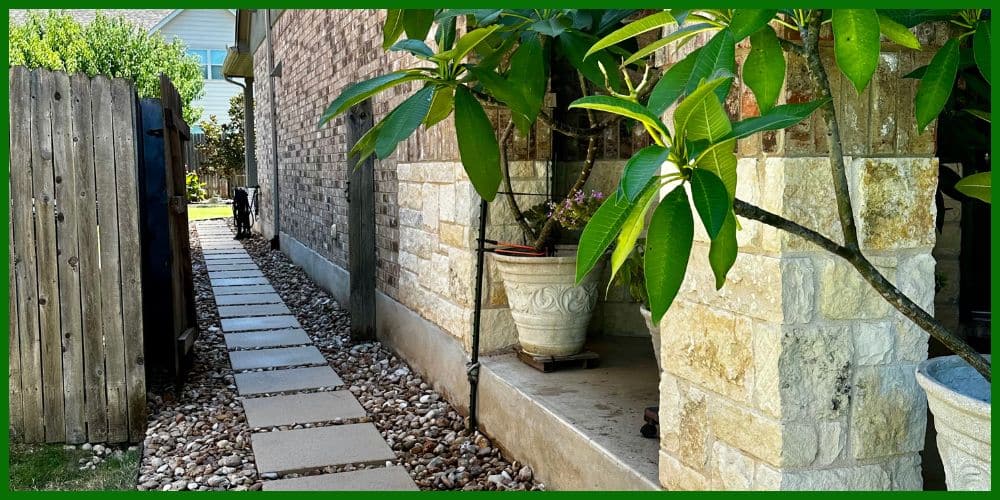
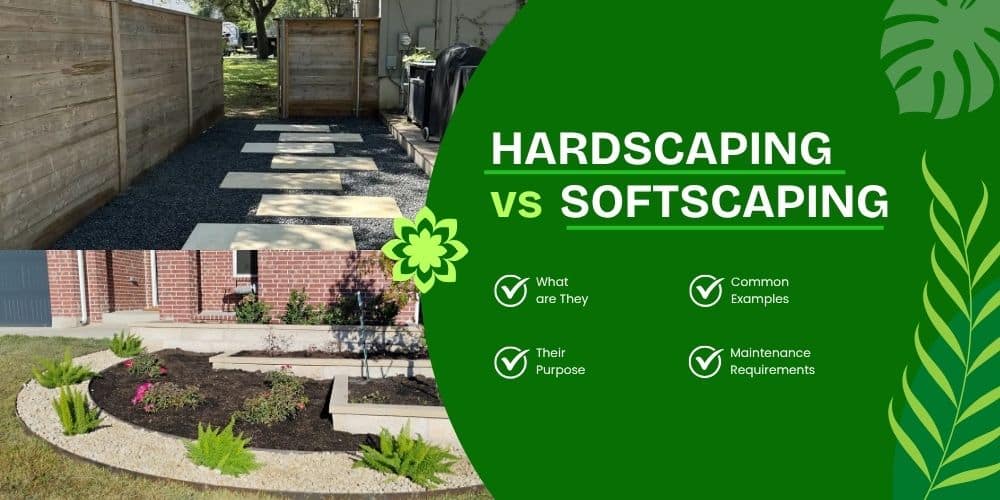
Hardscaping pertains to literally the “hard” parts to your landscape design. While most structures and pieces are ornamental, many serve a purpose. This functionality ranges from providing shade to giving you a level surface to walk on without disturbing the plants.
What is Softscaping?
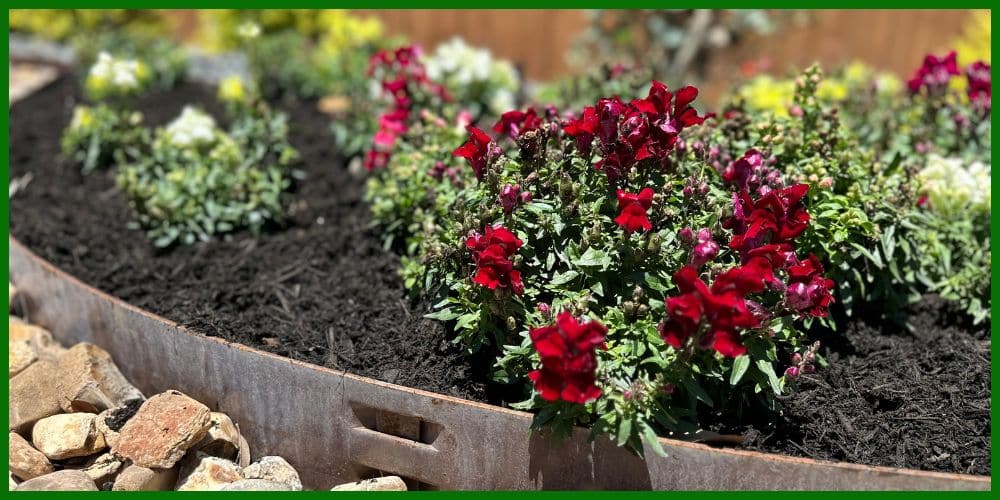
Softscaping, on the other hand, refers to the plants and the organic elements that help nourish and protect them. So aside from the trees, shrubs, and bushes, soil and mulch are a part of softscaping, both in functionality and aesthetics.
Hardscaping vs Softscaping
As you can already tell by their names and definitions, hardscaping and softscaping appear to be polar opposites, but both play an important role in your overall landscape design.
Common Examples of Hardscaping vs Softscaping
You can definitely tell the difference between these two categories when you see their examples. Hardscaping consists of the following:
- Fencing
- Pavement
- Fountains
- Patios
- Gazebos
- Built-in or stand-alone planter boxes
- Pools (particularly the decking and coping)
- Driveways
- Strategic placement of boulders, rock, and gravel
- Built-in oven or grill
Softscaping, however, refers to the natural elements of landscaping, such as:
- Trees
- Bushes
- Flower beds
- Gardens
- Hedges
- Ground cover (ie: grass, sod, creeping plants)
- Succulents
- Vines
Plus, you can include mulch, soil, and other elements that are used as part of the plant care.
Purpose of Hardscape vs Softscape
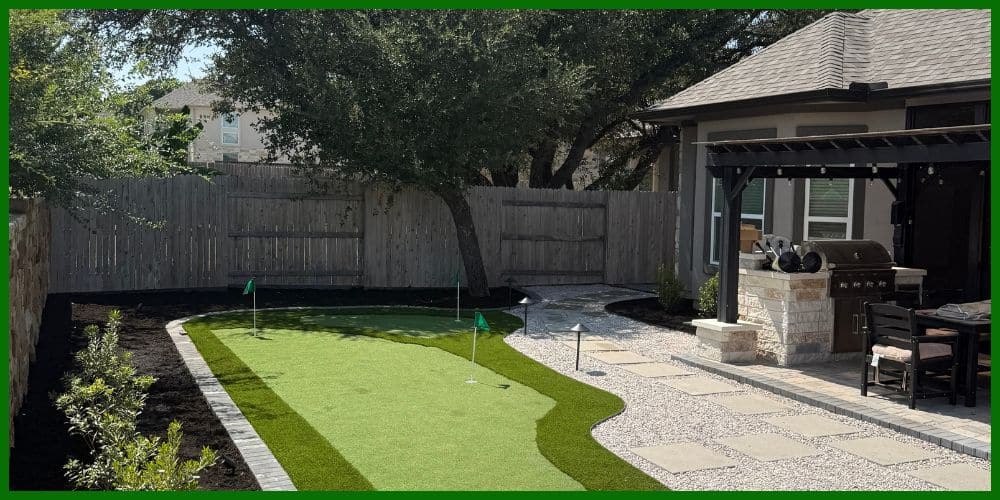
While these two elements work together to create your outdoor aesthetics, they each have their own distinct purposes.
Hardscaping, aside from being fabricated from durable material, often adds a specific function to your front or back yard. A driveway, for example, gives you a place to park your vehicle. A gazebo offers shade while a concrete or tile patio provides a space for entertaining guests or for relaxation.
Softscaping, on the other hand, adds color and texture to your outdoor space. It also gives your yard a sense of nature without having to travel.
In many cases, the purpose of softscaping can cross over to functionality. For example, if you incorporate a vegetable garden or some fruit-bearing trees into your landscaping, you’re gaining a food source.
While softscaping requires more care than hardscaping, many homeowners incorporate the maintenance into a gardening hobby.
Maintenance Requirements for Hardscaping
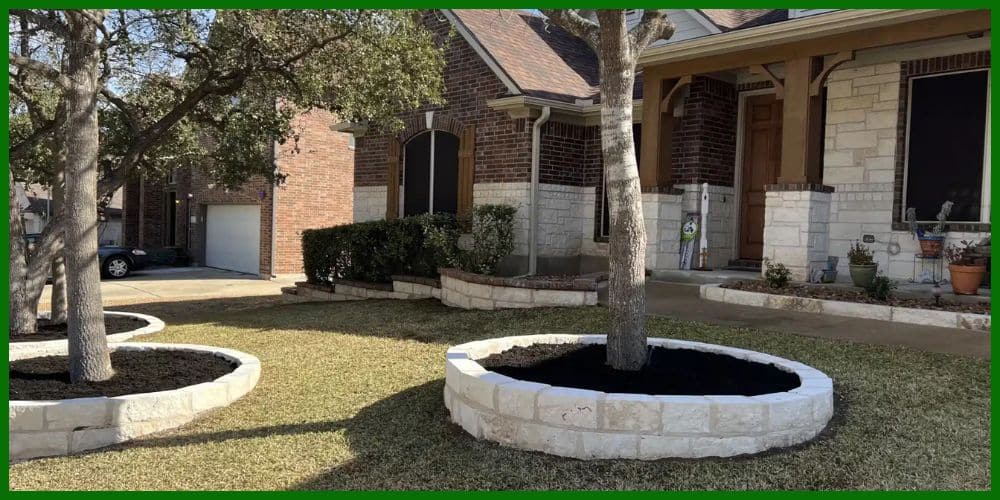
And speaking of maintenance, hardscaping requires a minimal amount of care, but that depends on the material, function, and type of structure. Often maintenance translates into minor, occasional repairs as parts get worn and also periodic cleaning.
However, as years go by, some structures might need replacement, such as the cracked concrete on the patio or the missing or broken brick pavers. Luckily, though, you’re looking at decades for the most part before having to replace any hardscaping if the materials are durable and well-maintained.
Maintaining Softscaping Elements
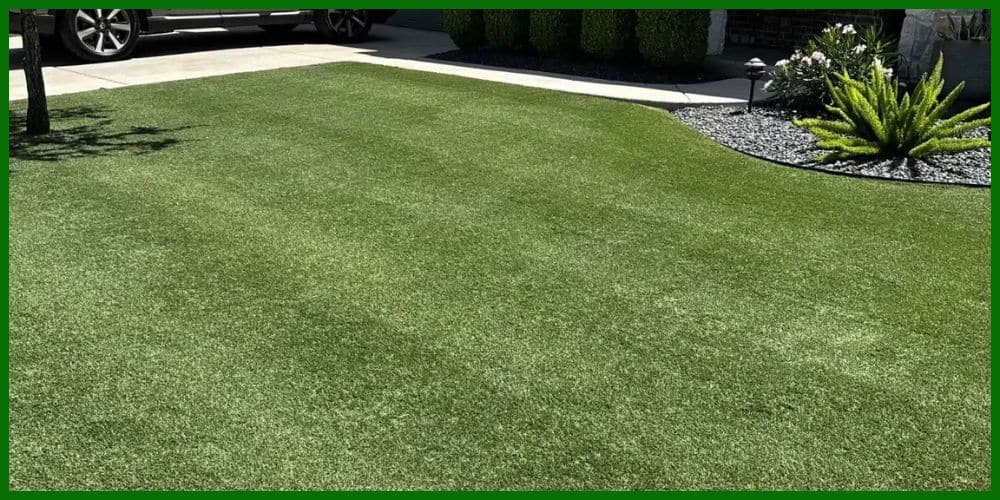
Softscaping elements require much more TLC, but as noted, this to-do list often translates into a hobby for homeowners who love plants. At the same time, many individuals hire a landscaper or a handy-person to maintain a lawn or garden, but they still appreciate the appeal of natural decor.
So what goes into successful softscaping maintenance? Depending on the types of plants you have, you’ll need to water and fertilize regularly. If you have annuals, you’ll need to clear away the dead plants and replant new ones.
Or you can go with perennials which don’t require replanting but might need repotting, pruning, or trimming. Again, it depends on the plant.
Conclusion
Ultimately, striking a balance between hardscaping vs softscaping is vital to getting a purposeful and visually pleasing outdoor space. For instance, outdoor cooking and dining spaces pair well with color flower beds that flank a patio. Also, brick or stone pathways often divide your backyard into sections. And let’s not forget the lasting curb appeal of an eye-catching driveway and front yard.
For now, let’s recap the various aspects of these two categories.
| HARDSCAPING | SOFTSCAPING |
|---|---|
| Examples: | Examples: |
|
|
| Purpose: | Purpose: |
|
|
| Maintenance: | Maintenance: |
|
|
With the help of a landscaper, you can easily blend these two elements. There are numerous ideas that work well for your property’s configurations, your budget, and the climate of the region where you live. Nevertheless, incorporating both would enhance the visual appeal of your front and backyards while providing additional functionality and enjoyment.
For thoughtful guidance and expert support, The Works Lawn Service is here to help bring your outdoor ideas to life.