
Knowing how to prepare your garden for winter is one of the most important tasks for any gardener. Cold temperatures, frost, snow, and winter winds can damage plants, compact soil, and undo months of hard work if your garden isn’t protected properly.
The good news is that winterizing your garden doesn’t require advanced skills or expensive tools. With a little planning and cleanup in the fall, you can protect your plants, improve soil health, and make spring gardening much easier. This guide breaks down how to winterize a garden into 12 easy, manageable steps anyone can follow.
What Is a Winter Garden?
A winter garden is a garden that has been prepared to survive cold weather rather than actively grow during it. Instead of focusing on blooms or harvests, winter gardening is about protecting roots, soil, and structures from freezing temperatures, erosion, pests, and disease.
Proper winter preparation allows plants to rest, helps soil retain nutrients, and ensures your garden is ready to grow again when spring arrives.
How to Prepare Your Garden for Winter
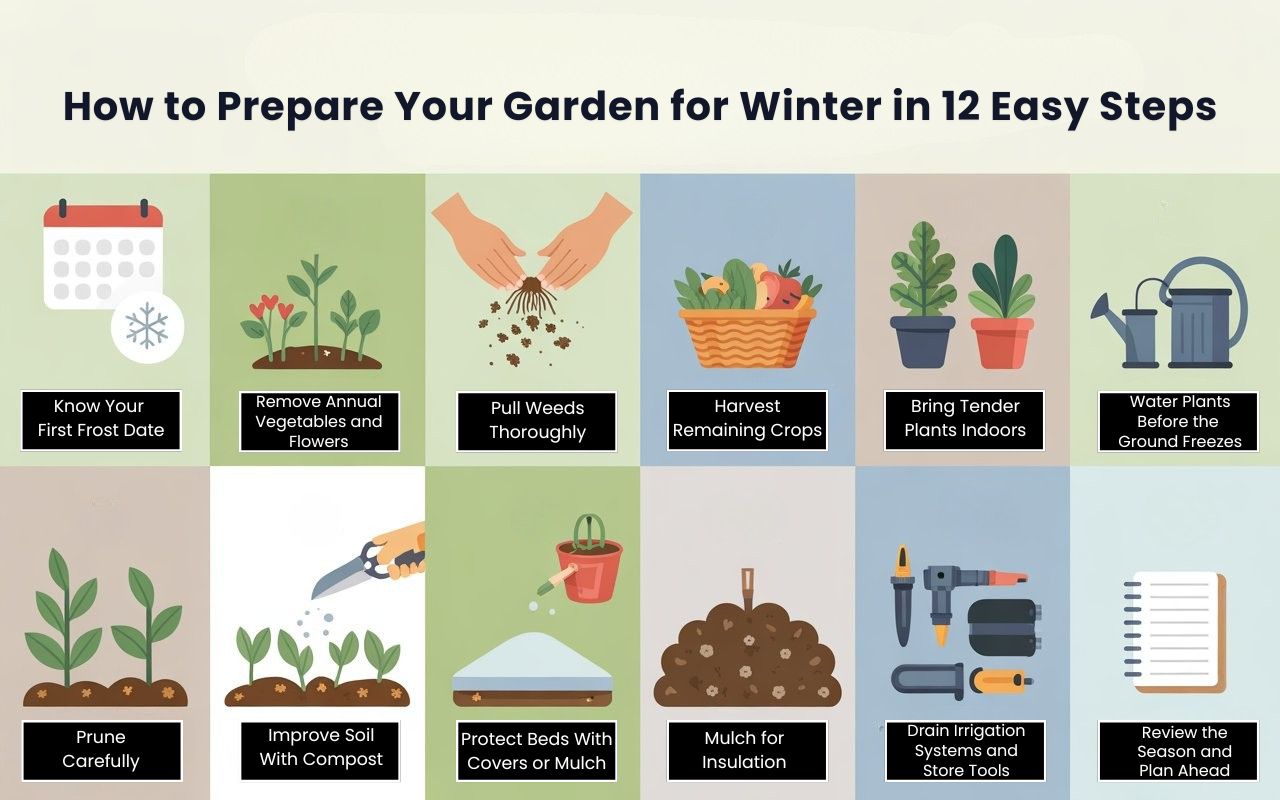
1. Know Your First Frost Date
Before you start, find your area’s average first frost date. This helps you time your garden cleanup correctly. Winterizing too early can stress plants, while waiting too long can expose them to frost damage.
2. Remove Annual Vegetables and Flowers
Annual plants won’t survive winter, so once they stop producing, pull them out of the garden. Leaving spent annuals behind can attract pests and allow plant diseases to overwinter in your soil.
3. Pull Weeds Thoroughly
Weeds may look harmless in fall, but many survive winter and spread seeds. Pulling weeds now prevents them from competing with your plants and taking over garden beds in spring.
For effective strategies, check out how to get rid of weeds in your lawn to keep your garden weed-free before winter.
4. Harvest Remaining Crops
Harvest vegetables and herbs that can’t tolerate frost, such as tomatoes, peppers, beans, and basil. Cold-hardy crops can stay in the ground longer, but tender plants should be removed before freezing temperatures arrive.
5. Bring Tender Plants Indoors
Some plants simply can’t handle winter weather. Move potted plants and non-hardy varieties indoors, into a garage, or to a sheltered space. This step is essential when learning how to winterize plants properly.
How to Winterize Plants Correctly
6. Water Plants Before the Ground Freezes
Watering before winter may seem unnecessary, but it’s important. Moist soil holds heat better than dry soil, helping protect roots from freeze damage. Water deeply before the first hard freeze.
7. Prune Carefully — Not Too Much
Remove dead or diseased branches to prevent problems, but avoid heavy pruning in late fall. Many plants benefit from being left alone until spring, when new growth begins.
How to Winterize Raised Garden Beds
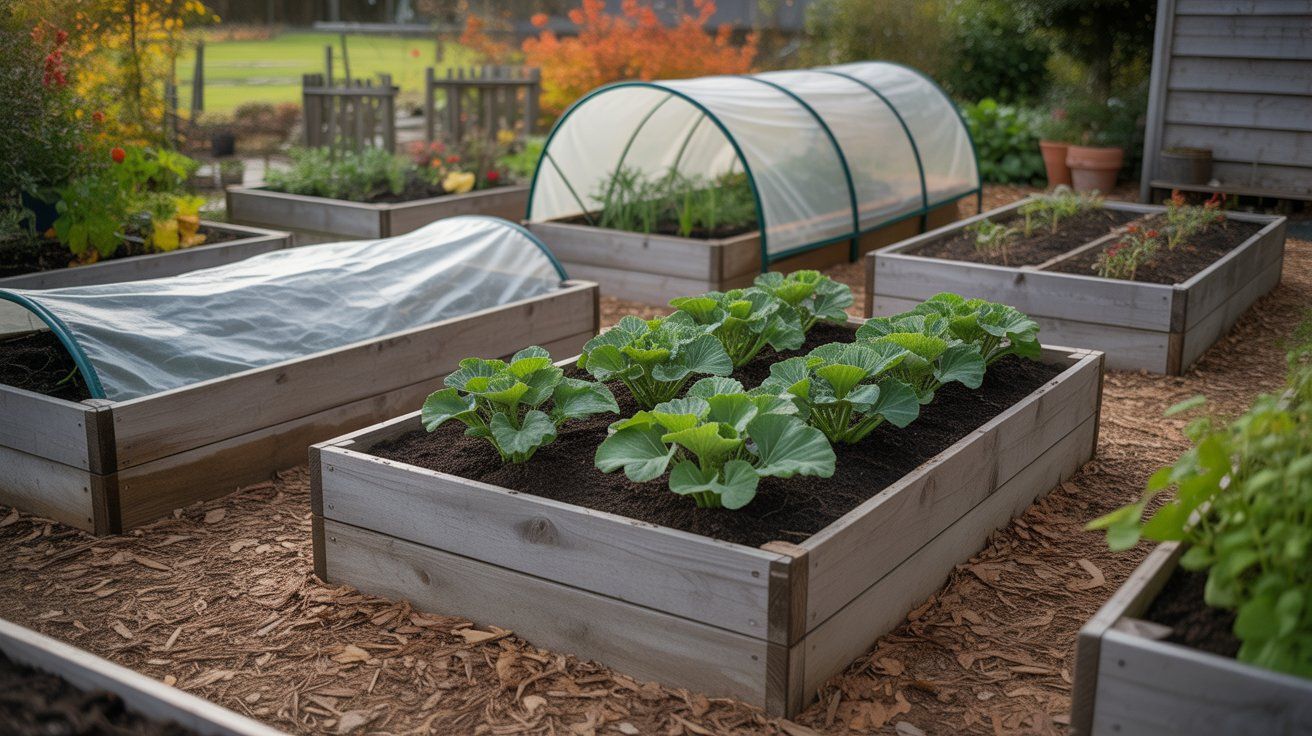
Raised beds need extra care because they lose heat and moisture faster than in-ground gardens.
8. Improve Soil With Compost
Spread a layer of compost or organic matter over raised garden beds. Over winter, it breaks down and improves soil structure, drainage, and nutrient levels for spring planting.
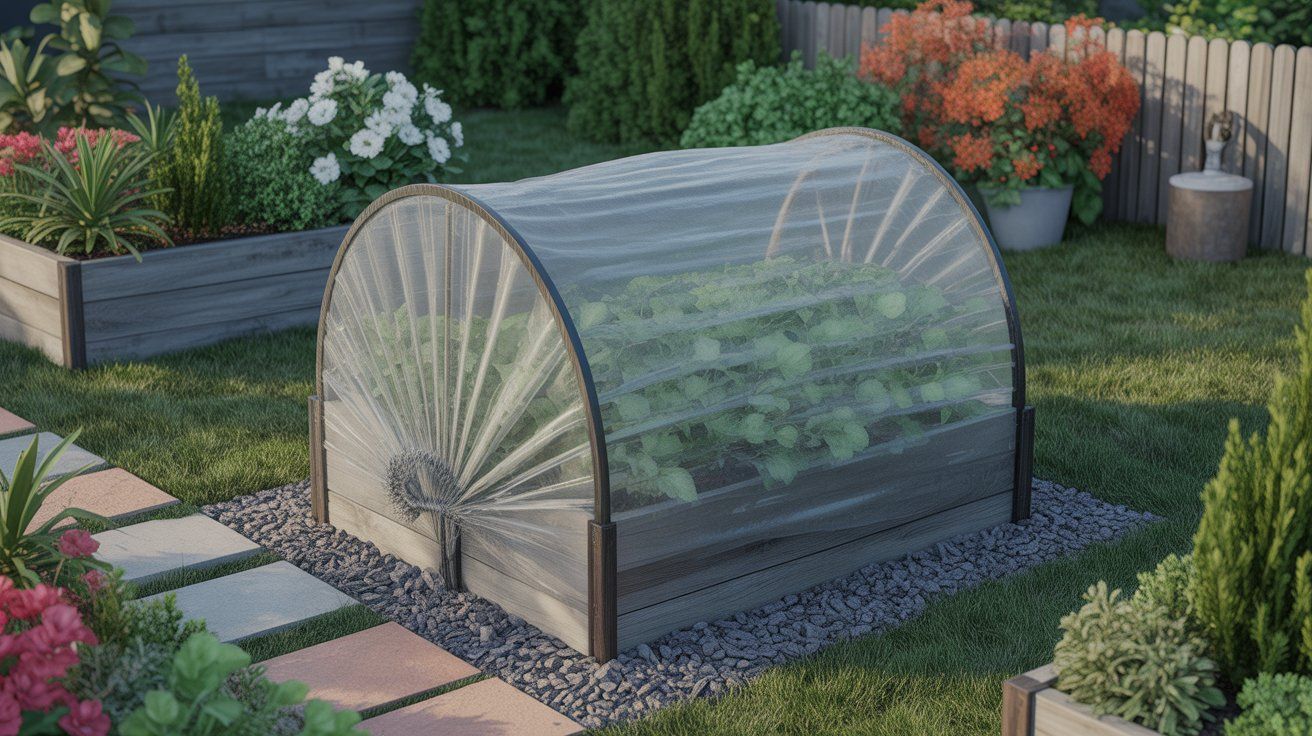
9. Protect Beds With Covers or Mulch
You can protect raised beds by planting cover crops or simply covering the soil with leaves, straw, or garden fabric. This helps prevent erosion, reduces weed growth, and protects beneficial organisms in the soil.
10. Mulch for Insulation
Mulching is one of the most important steps in learning how to winterize raised garden beds. A 2–3 inch layer of mulch helps regulate soil temperature, retain moisture, and protect plant roots from extreme cold.
11. Drain Irrigation Systems and Store Tools
Disconnect hoses, drain irrigation lines, and shut off outdoor water sources to prevent freezing damage.
Learn more about what is an irrigation system to ensure all lines are properly drained and maintained before winter.
Clean, sharpen, and store garden tools so they’re ready when the growing season returns.
12. Review the Season and Plan Ahead
Take time to reflect on what worked well and what didn’t. Make notes or take photos to help you plan crop placement, plant choices, and improvements for next year.
Common Winter Garden Mistakes to Avoid
- Leaving diseased plants in garden beds
- Over-pruning shrubs and perennials in fall
- Forgetting to mulch exposed soil
- Waiting until after a hard freeze to winterize
- Ignoring raised beds and container plants
Avoiding these mistakes makes winter garden care far more effective.
Conclusion
Learning how to winterize your garden doesn’t have to be overwhelming. By following these 12 easy steps, you protect your plants, soil, and garden beds from winter damage while setting the stage for a healthier, more productive spring.
From understanding what is a winter garden to protecting individual plants and raised beds, a little effort in fall goes a long way. When warmer weather returns, your garden will be rested, protected, and ready to grow.
For expert tips, guidance, and professional winter garden services, trust The Works Lawn Service to help keep your garden healthy all year round.
Frequently Asked Questions About Winterizing a Garden
When should I start winterizing my garden?
You should start winterizing your garden a few weeks before your area’s first expected frost. This timing helps protect plants while avoiding stress caused by preparing too early.
Should I cut back all plants before winter?
Not all plants need to be cut back in fall. Remove dead or diseased growth, but many perennials benefit from being left until spring, as their foliage can help protect roots during winter.
How much mulch should I apply for winter protection?
A 2–3 inch layer of mulch is ideal for winter protection. It helps insulate soil, retain moisture, and prevent damage to plant roots from freezing temperatures.
Do I need to water my garden before winter?
Yes, watering before the ground freezes is important. Moist soil holds heat better than dry soil, which helps protect plant roots from freeze damage during winter.