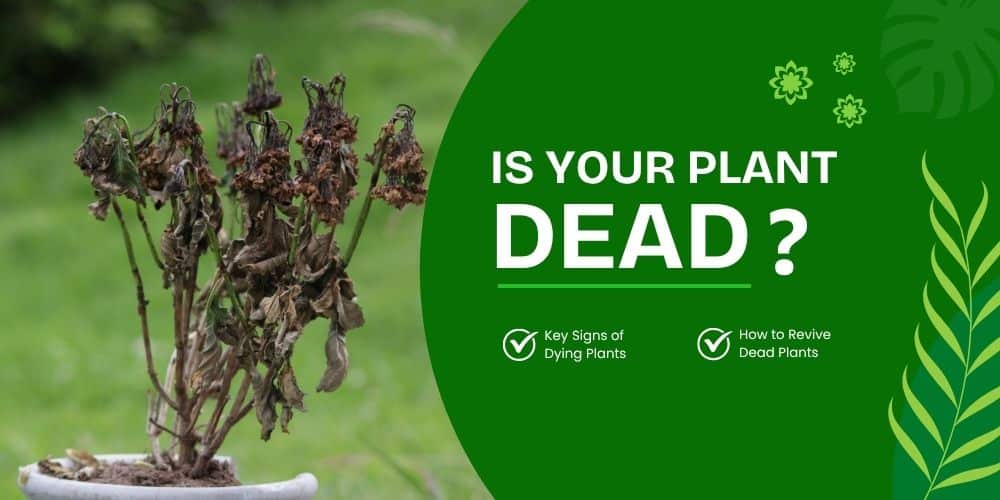
How do you know if you’re dealing with a dead plant or if your plant is dying? This question is quite unnerving if you notice that your plants don’t look as vibrant or sturdy. So, we’ll focus on what to look for and some solutions for reviving your plants. Even if you’re a first-time gardener, there’s always hope.
Signs a Plant is Dying or Dead
As you closely examine your plant, focus on these signs that indicate disease or poor growing conditions.
Changes in the Leaves
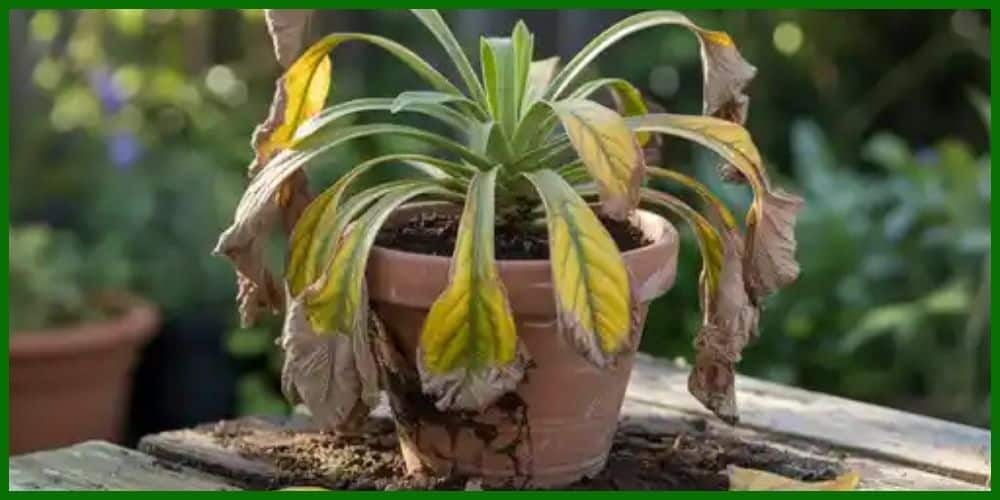
The first sign of trouble that you might notice involves changes in the foliage. The visible indicators range from wilting to a change in color. So you should watch for leaves that start to brown or turn yellow.
Also, foliage that starts to fall for no apparent reason is a bad sign along with curling at the tips.
Powdery or Weblike Substance on the Leaves and Soil
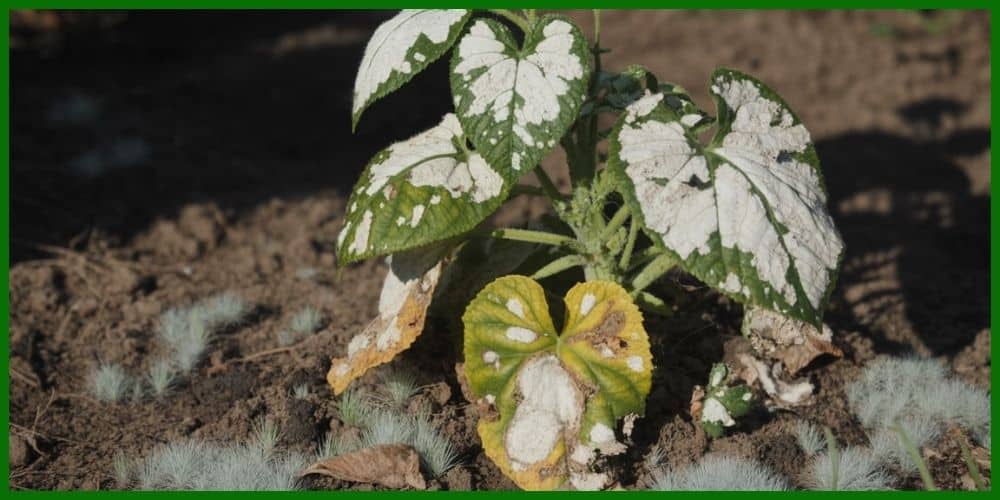
Also, if you see different colored spots on the leaves, your plant might be dying from a fungal infection.
Plus, you should look for a powdery “dust” on the leaves or a gray fuzz. Catching fungus early on increases your plant’s chances of survival.
Dieback
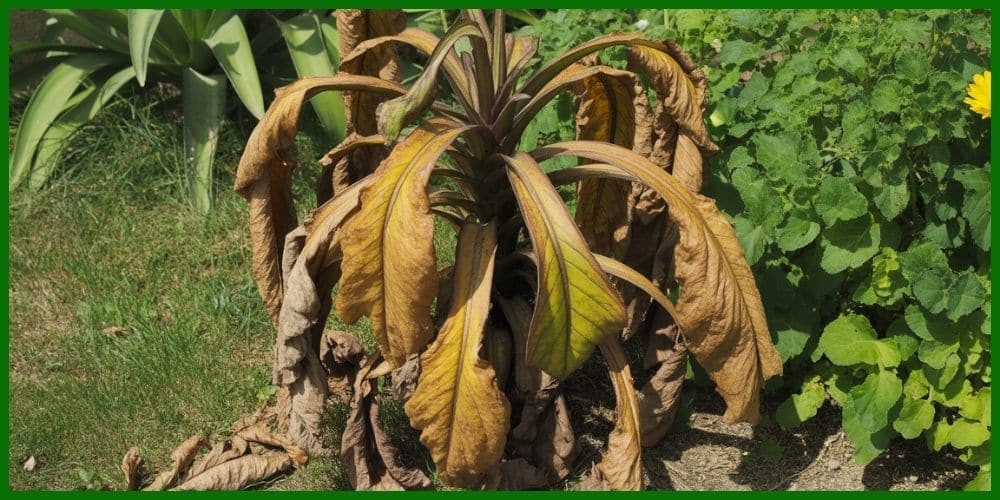
In addition to discoloration and fungus, you should take note of a condition called “dieback.” Literally, parts of the plant are dying–from the tips of the leaves to mushy stems.
In the case of trees, you’ll see just one large section of dry, empty branches that stands out from the rest of the foliage. This isn’t the seasonal fall of leaves, especially if it occurs during the spring or summer.
Slow or Stunted Growth
And just before dieback starts to occur, you’ll see leggier plants or slower growth even during the active season. The foliage starts to thin out, or in the case of flowering varieties, you might notice far less blooms than usual. In some cases, your plant might bloom at all or bear fruit.
Roots Protruding from Drainage Holes

If you have plants in containers on the patio or in planters boxes outside, you might check the drainage holes. If the roots are poking out of the bottom, your plant could be dying. Roots need plenty of room, but without enough space, your plant’s health will be compromised.
Wilted Stem
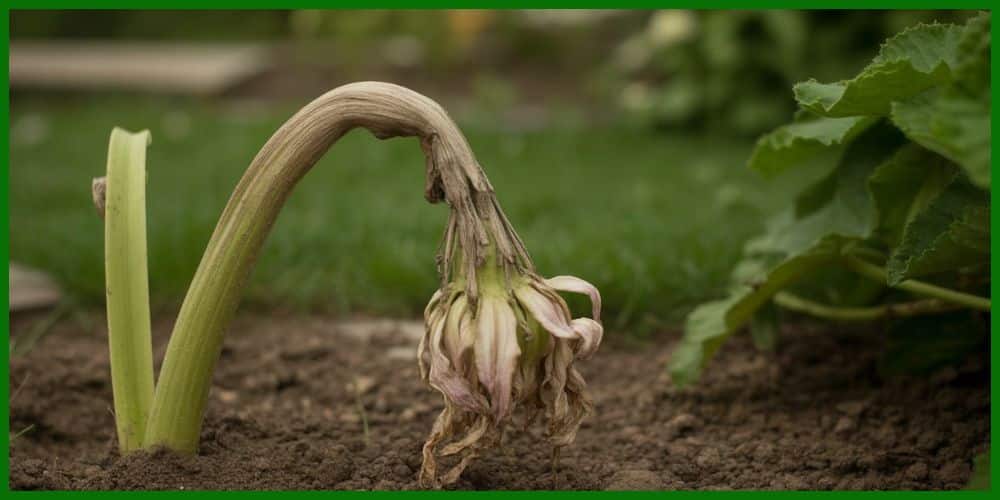
Inspecting the stem proves to be important. What you’re looking for involves discoloration, a difference in texture, and instability. In other words, your plant slumps over. This is yet another sign of a plant that’s dying.
How to Revive a Dead Plant
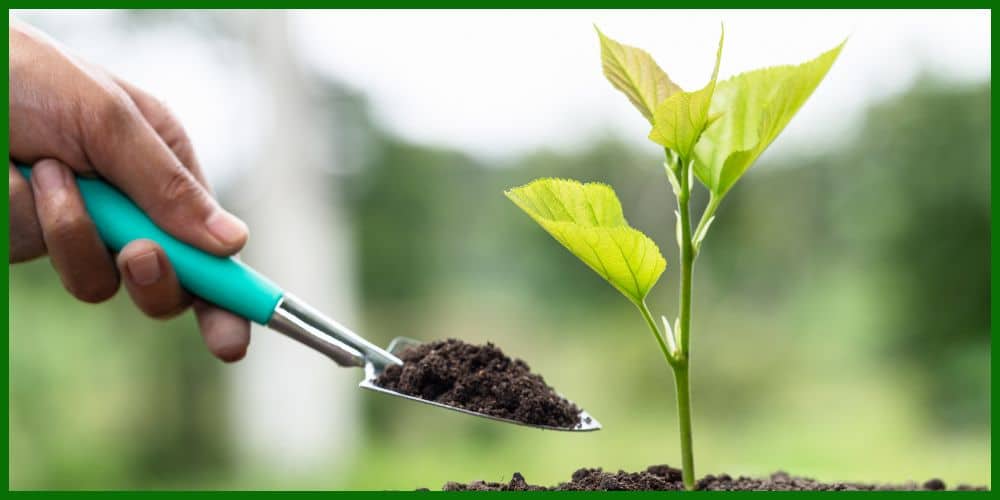
If you discover any of the signs of a dead plant (or one that’s dying) mentioned above, there are steps you can take to try to revive it.
Remove Dead Leaves
You can gently pinch off dried out stems and leaves or use a sterile pair of scissors to cut them off your plant. This not removes the diseased parts but also encourages new growth.
Plus, regular pruning or propagating keeps foliage full and brings about more blooms.
Remove Dead Blooms or Buds
Also called “dead heading,” you can cut back dry or dead blooms, which takes a lot of stress off your plants. In fact, regular dead heading and cutting back dry or discolored leaves and stems play an important role in plant care.
Adjust Your Watering Routine
If the roots feel too soft or mushy, and your leaves are limp, you’ll need to adjust your watering practices. Just keep in mind that dry, “crunchy” foliage signals too little water, while root rot means that your plant is waterlogged.
Another important tip is to try distilled water for plants in containers or install a filtration system to your sprinklers.
Provide More Moisture in the Air
If you live in a dry climate, you might try misting the leaves, but be careful not to apply too much moisture to avoid rotting.
For potted plants on the patio, you could also try keeping a tray of pebbles filled with water close by. This adds a nominal amount of moisture without overwatering.
Try Fertilizing
Fertilizing, another important plant care practice, helps with stunted growth and in some cases, discolored leaves. You would still need to be careful not to fertilize too much too often, which can be counterproductive.
Use Natural Insecticides and Fungicides
Also, don’t forget to use substances that kill aphids and other pests along with fungus and mildew. Ideally, you might opt for natural solutions, but some plant conditions call for chemicals. You can consult with a plant expert if you’re not sure which product to use.
Conclusion
Dead plants can be disheartening, especially if gardening is one of your favorite hobbies. However, you can still follow the tips above or reach out to The Works Lawn Service for expert plant care support. We can detect issues early and provide the right solutions, whether it’s fungicide, insecticide, or fertilizer. With proper care and attention, your garden will thrive for years to come.