A sprinkler system leak can waste water, increase utility bills, and leave parts of your lawn soggy or damaged. To find a leak, inspect sprinkler heads, check valve boxes, look for wet soil, and test each irrigation zone separately.
For homeowners in Round Rock, Texas, finding irrigation leaks early helps maintain a healthy lawn while preventing unnecessary water waste. Knowing what to check can also help you decide whether a simple adjustment or a professional repair is needed.
Signs Your Sprinkler System May Have a Leak
Not every irrigation leak creates a visible stream of water. Some develop underground and remain unnoticed until changes appear in the lawn. Watch for these common warning signs.
- Unusually wet soil: Puddles, muddy patches, or soft ground that remains wet between watering cycles may indicate a leaking pipe or fitting.
- A sudden increase in water bills: Higher water usage without a change in your watering schedule may point to a hidden leak.
- Uneven sprinkler pressure: Sprinkler heads that spray weakly, sputter, or fail to pop up may indicate a leak. However, clogged nozzles or valve problems can cause similar symptoms.
- Unusually green grass: A small patch of grass that grows faster or looks greener than the surrounding lawn may be receiving excess water.
- Unusual spray patterns or visible leaks: Cracked sprinkler heads and loose connections may allow water to escape, while damaged or misaligned nozzles can direct water onto sidewalks, driveways, or garden beds.
- Water flowing when the system is off: Persistent water flow may indicate a valve that is not closing properly or a leak in a pressurized section of the irrigation system.
Recognizing these signs early makes it easier to narrow down the source before the problem affects a larger area of your landscape.
How to Find a Sprinkler System Leak Step by Step
Follow these steps to identify the source of a sprinkler system leak before deciding whether professional repairs are needed.
1. Turn On Each Sprinkler Zone Separately
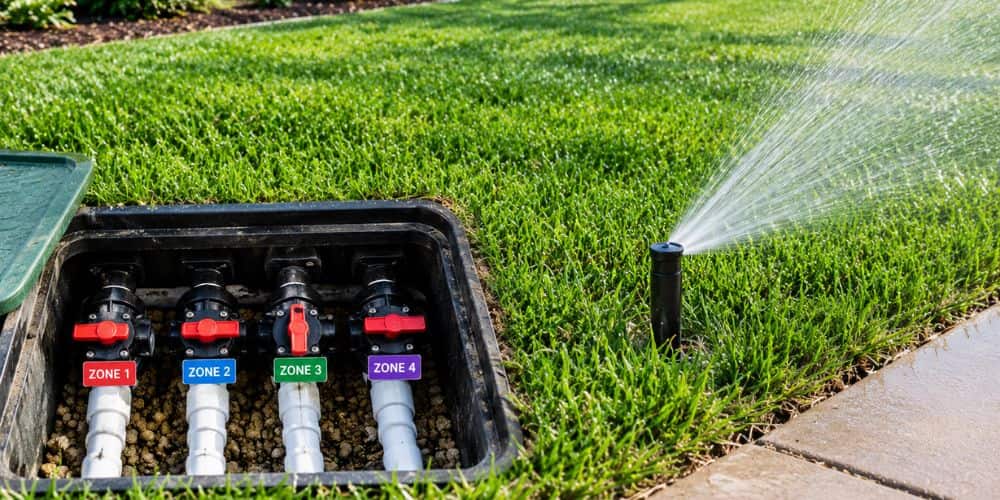
Run each zone using the irrigation controller and watch for unusual puddles, bubbling water, or weak sprinkler pressure. Note any affected areas and turn off the zone before checking the next one.
2. Inspect the Sprinkler Heads
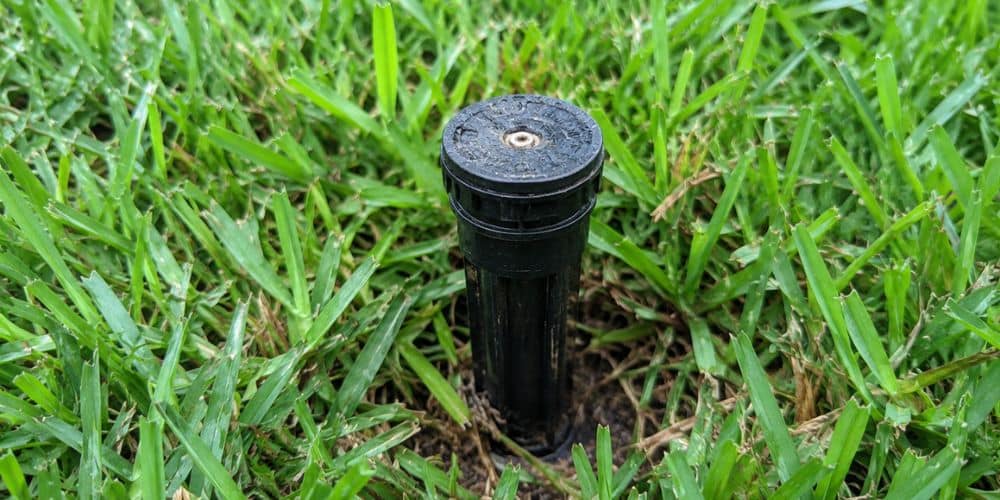
Check for cracked heads, damaged nozzles, loose connections, or water escaping around the base. Also, look for tilted heads or spray patterns that direct water onto sidewalks and driveways. Replace or adjust damaged components as needed.
3. Look for Wet or Soggy Areas in the Lawn
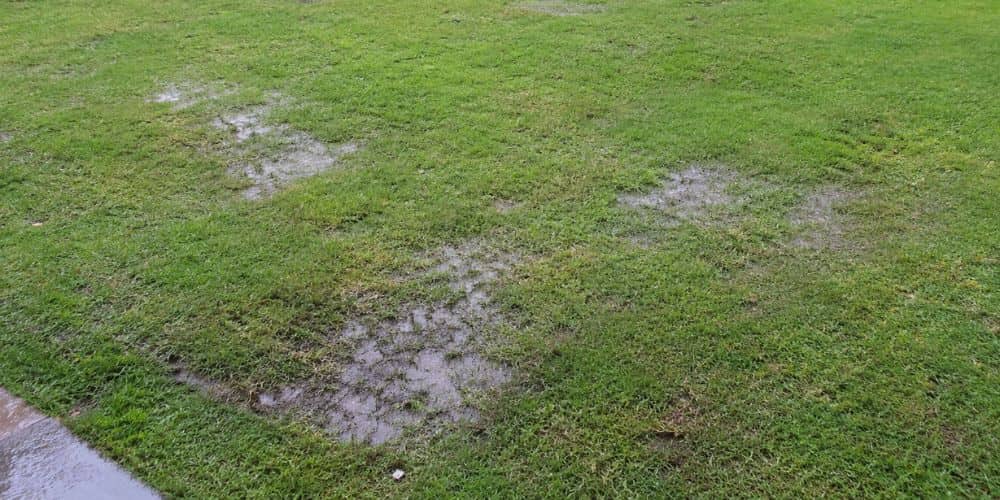
Check for muddy soil, standing water, or patches that remain wet between watering cycles. These signs may indicate an underground leak, although poor drainage and excessive watering can cause similar problems. If a wet patch returns after a particular zone runs, inspect that area more closely.
4. Check the Irrigation Valve Boxes
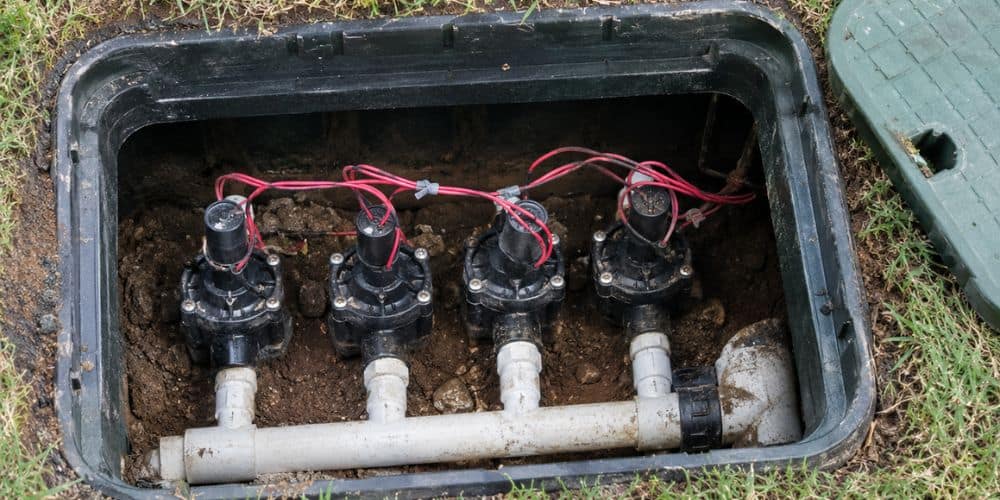
Open accessible valve boxes and look for standing water, muddy soil, or leaks around the valves and fittings. Recurring water accumulation may indicate a damaged component, although rainwater can also collect inside the box. Avoid dismantling valves or disturbing electrical wiring.
5. Inspect the Backflow Preventer and Exposed Pipes
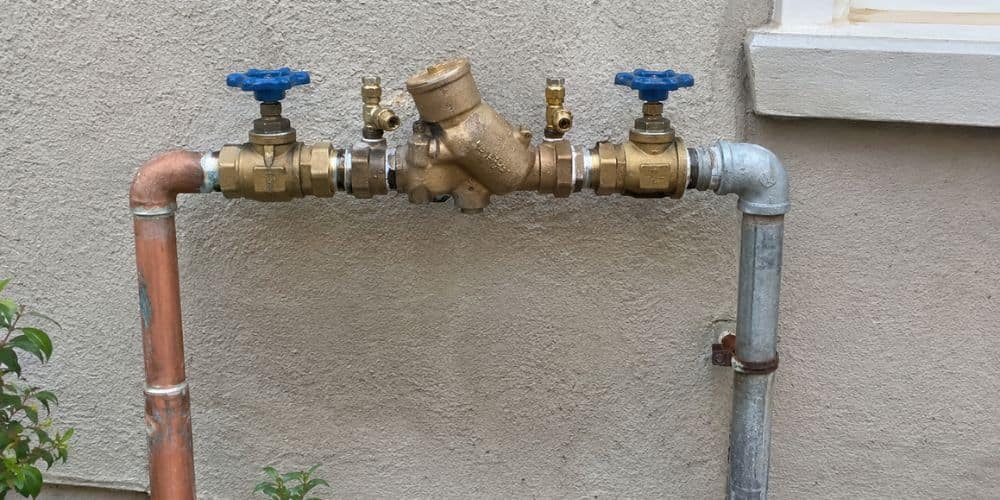
Look for dripping connections, cracks, corrosion, or water collecting beneath the backflow preventer and exposed pipes. Sudden winter freezes in Central Texas can damage exposed pipes and backflow components. Learn more about how to winterize your irrigation system to help protect exposed components during cold weather. Have a qualified professional inspect suspected leaks in the backflow assembly.
6. Check Whether Water Continues Flowing When the System Is Off
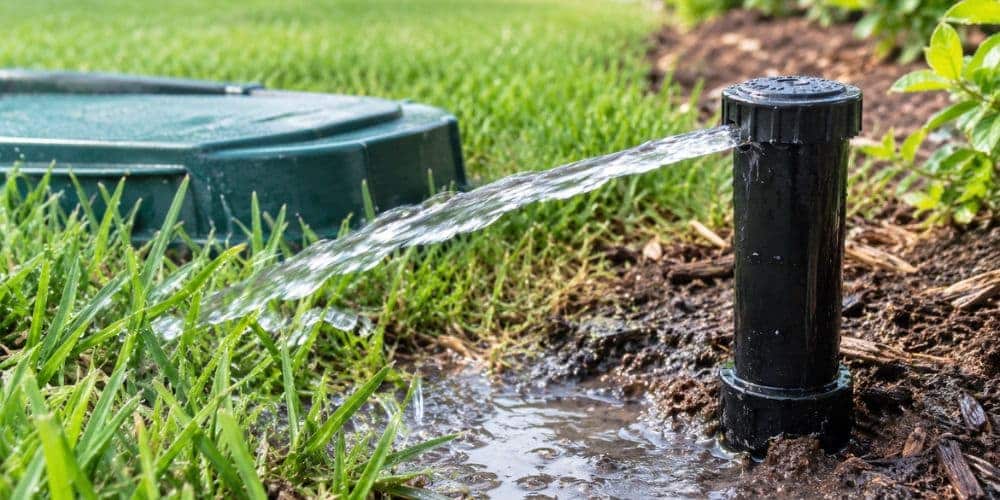
Turn off the sprinkler controller and check whether water continues flowing or sprinkler heads keep dripping. A faulty valve may allow water to pass through after a zone shuts down. Some drainage from low sprinkler heads is normal, but persistent flow or repeated pooling requires further investigation.
7. Check the Water Meter for Unexplained Usage
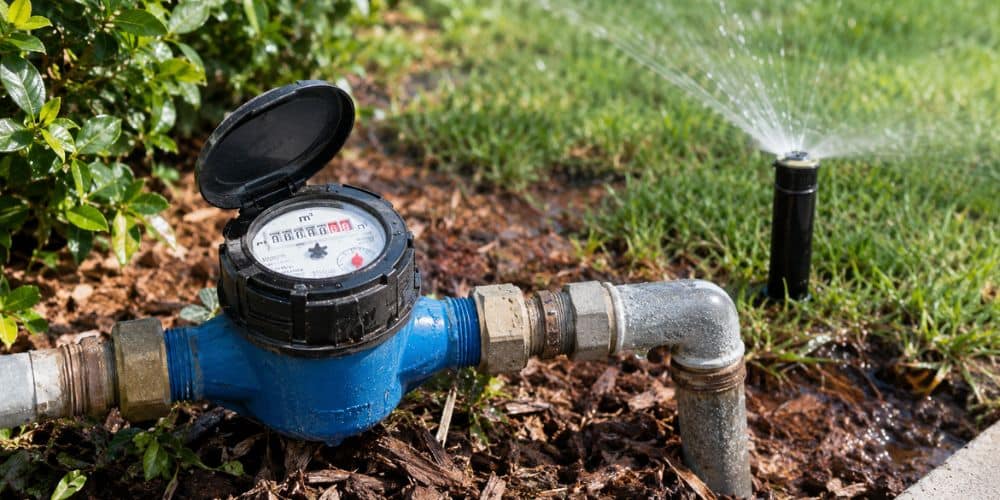
Turn off all faucets, appliances, and irrigation zones that use water, then check the water meter’s leak indicator or reading. If the meter continues to register water use when no water is being used, a leak may be present. If you can safely isolate the irrigation supply, repeat the check to help determine whether the irrigation system is responsible. If the source remains unclear, contact a qualified professional.
Common Causes of Sprinkler System Leaks
Understanding the possible cause can help you determine the next step.
Broken sprinkler heads: Lawn mowers, foot traffic, and everyday landscaping work can damage sprinkler heads and nozzles.
Cracked underground pipes: Shifting soil, root growth, ground movement, or physical damage can cause irrigation pipes to crack or separate at their joints.
Faulty valves: A worn valve diaphragm, damaged seal, or debris inside a valve can prevent it from closing completely.
Loose fittings: Connections can loosen or deteriorate over time, allowing water to escape when the system operates.
Excessive water pressure: Pressure that exceeds the system’s design specifications can contribute to damaged components and poor sprinkler performance.
Clogged nozzles or filters: Blockages may cause uneven spray patterns or low pressure. Although a clog is not necessarily a leak, it can make an irrigation problem harder to diagnose.
Poor installation or aging components: Incorrect fittings, damaged seals, and worn pipes can lead to recurring leaks.
Identifying the cause is important because replacing a sprinkler head will not resolve a problem caused by a faulty underground valve or damaged mainline.
How to Tell Where the Sprinkler Leak Is Coming From
Different leak locations produce different symptoms. The following table can help you narrow down the likely cause.
| What you notice | Possible cause |
| Water sprays from a sprinkler head | Cracked head, damaged riser, or loose fitting |
| One zone has weak pressure | Underground lateral leak, clogged heads, or valve issue |
| Water collects inside a valve box | Leaking valve, fitting, or nearby pipe |
| A wet patch appears after one zone runs | Damaged underground pipe or connection |
| Water keeps flowing after shutdown | Faulty valve or another continuously pressurized leak |
| Water drips from the backflow assembly | Damaged seal, fitting, or internal component |
| Water bill rises without extra watering | Irrigation leak or another plumbing leak |
These symptoms are useful clues, not definitive diagnoses. A technician may need to isolate the water supply, inspect the pipework, or use specialized leak-detection equipment to locate a hidden break.
Can You Fix a Sprinkler System Leak Yourself?
Some minor sprinkler problems are suitable for homeowners with basic tools and experience. Replacing a visibly damaged sprinkler head, cleaning a clogged nozzle, or adjusting a misaligned head may be straightforward when the water is turned off. If you find a major leak or water is pooling rapidly, shut off the irrigation water supply if it is safe to do so before attempting any inspection or repair.
Underground pipe breaks, damaged valves, leaking backflow assemblies, and persistent pressure problems are more complicated. Repairs may require digging, cutting and reconnecting pipes, replacing fittings, or checking system pressure.
Before digging, identify the locations of buried utilities and irrigation wiring. Shut off the relevant water supply and release pressure before working on the system. Never dig aggressively around an unidentified pipe or electrical component.
If the leak continues after a simple repair, avoid repeatedly running the system to test it. A qualified irrigation professional can help identify the underlying issue and prevent further water loss.
How to Prevent Future Sprinkler System Leaks
Regular inspections can help you catch small problems before they become expensive repairs.
- Inspect sprinkler heads regularly: Check for cracks, tilted heads, and damaged nozzles, especially after mowing or landscaping work.
- Monitor your water bill: Unexpected increases can alert you to leaks or inefficient irrigation.
- Adjust your watering schedule: Water according to your lawn’s needs and local watering guidance instead of running the system longer than necessary.
- Check your controller: Review programmed schedules and rain or seasonal adjustment settings to avoid unnecessary watering.
- Watch for pressure changes: A sudden change in spray distance or performance may indicate a developing problem.
- Inspect valve boxes: Look for persistent moisture, damaged fittings, and signs of water accumulation.
- Arrange periodic system checks: An irrigation inspection can help identify worn components, coverage issues, and potential leaks.
For Central Texas homeowners, irrigation needs can change with rainfall, seasonal temperatures, and local watering restrictions. Adjusting your system to actual lawn conditions helps conserve water and reduces unnecessary wear.
Final Thoughts
Finding a sprinkler system leak early helps reduce water waste, protect your lawn, and prevent more extensive repairs. Inspect sprinkler heads, test individual zones, and check for wet soil or leaking valves to narrow down the source.
If you cannot locate the leak or the problem requires more extensive repairs, The Works Lawn Service can help assess your irrigation system. Learn more about our irrigation services to find the right next step for your property in Round Rock, Texas.
Frequently Asked Questions
1. How do I know if my sprinkler system has a leak?
Common signs include soggy patches in the lawn, unexplained increases in water bills, weak sprinkler pressure, water collecting around sprinkler heads, and water flowing when the system is off.
2. How do I find an underground sprinkler system leak?
Run each sprinkler zone separately and look for recurring wet patches, bubbling water, or reduced pressure. Check nearby sprinkler heads and valve boxes for visible damage. If the leak remains hidden, an irrigation professional can help locate it.
3. Why is my lawn wet when the sprinklers are off?
Persistent wet spots may indicate a leaking underground pipe, a faulty valve, or water draining from low sprinkler heads after watering. Poor drainage and recent rainfall can also cause soggy areas.
4. Can a sprinkler system leak increase my water bill?
Yes. A leaking sprinkler head, damaged underground pipe, or faulty valve can waste water and increase your bill. If water usage rises without a change in your watering schedule, inspect the irrigation system and check for other plumbing leaks.
5. Can I fix a sprinkler system leak myself?
Minor problems, such as a damaged sprinkler head or clogged nozzle, may be manageable with basic tools. Underground pipe leaks, faulty valves, and backflow preventer problems may require professional repairs.
6. Who should I call for a sprinkler system leak in Round Rock, TX?
Contact an irrigation professional if you cannot locate the leak, notice persistent low pressure, or find recurring water accumulation around valve boxes or underground pipes. A professional can identify the source and recommend the appropriate repair.